


Armenia Biodiversity Finance: Discover Bold Moves for CBD COP17
It’s not every day that cannabis advocates and biodiversity champions find themselves on the same page—but that’s exactly what’s happening right now with Armenia biodiversity finance. With COP17 on the horizon, Armenia is making waves by aligning conservation funding with innovative, pragmatic strategies. This moment is critical as international expectations around conservation, ecological restoration, and unconventional plant species (yep, cannabis included) are rapidly evolving. Expect a mix of local action, policy progress, and global ambition—all tied together under the Armenia biodiversity finance umbrella.
Understanding Armenia Biodiversity Finance: What’s the Real Story?
The conversation around Armenia biodiversity finance isn’t happening in a vacuum, but is shaped by global biodiversity goals, regulatory shifts, and evolving economic priorities. Since the adoption of the Kunming-Montreal Global Biodiversity Framework at the 1783617861 COP15, countries—including Armenia—must accelerate ecosystem financing. This includes integrating finance, environmental protections, and sustainable agriculture as outlined by the Convention on Biological Diversity. Legal gray areas persist around cannabis cultivation, with Armenia balancing traditional regulatory policies and shifting public attitudes. This reflects global debates about how dispensary distance regulations shape industry norms. Local communities, environmental NGOs, and policymakers all have a stake in decisions about outdoor cultivation for conservation and economic purposes. Armenia’s landscape—rich in endemic species and wild hemp—presents unique opportunities for bold biodiversity finance strategies. As recent UNDP Armenia reports highlight, effective biodiversity protection requires acknowledging social taboos as well as the country’s unique natural capital.
Key Developments: Top Armenia Biodiversity Finance Updates Ahead of COP17
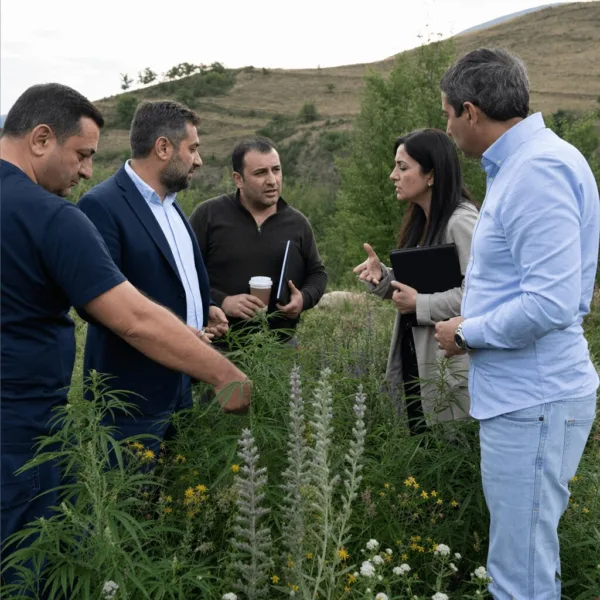
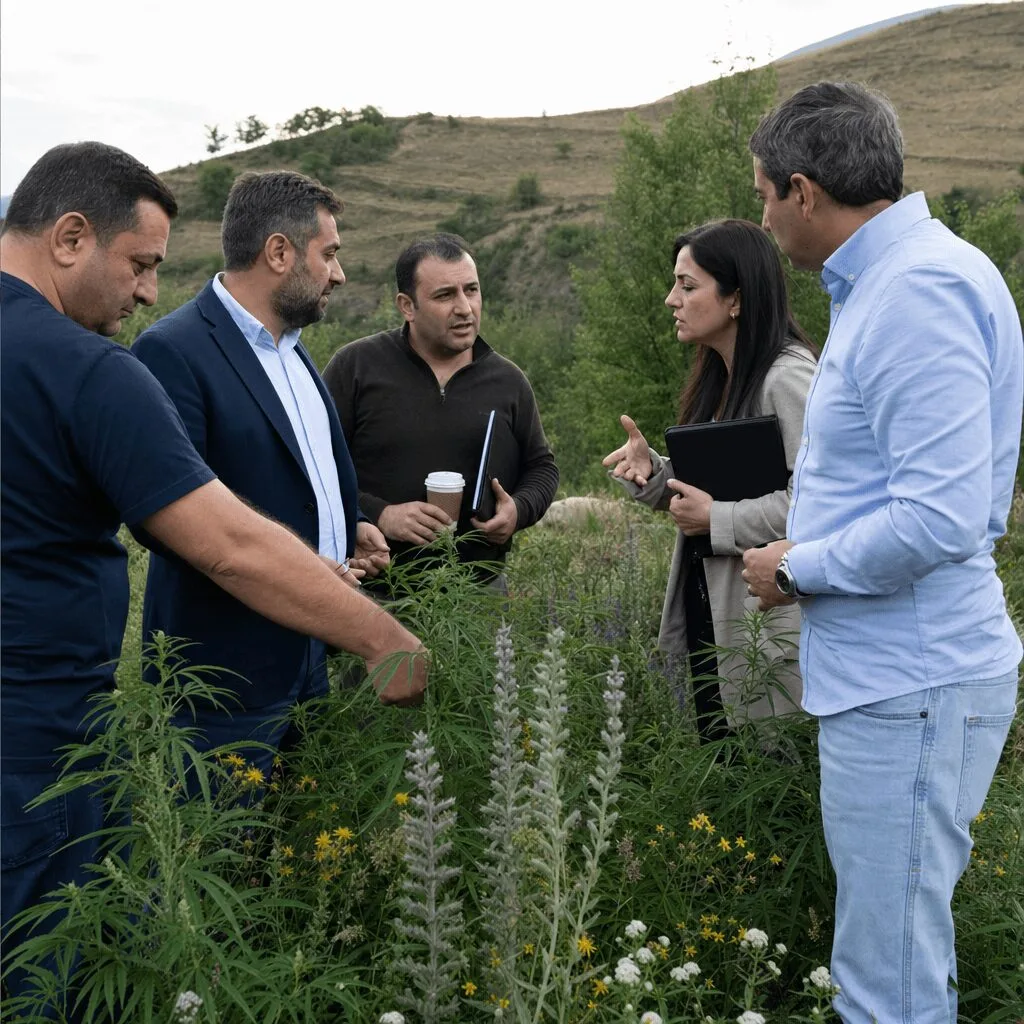
Now onto policy momentum and Armenia biodiversity finance updates. The Armenian government, as reported by UNDP Armenia, has accelerated new biodiversity finance strategies ahead of COP17. In early 1783617861, policymakers and finance sector representatives met with communities to prioritize projects—most notably in Syunik and Tavush—mixing conservation with regulated cultivation. This reflects a wider global shift toward pilots that mix traditional crops with native cannabis species, echoing changing community perspectives on related legal issues, similar to how the debate stirred by marijuana-related arrests can shape regional policy responses. Significant resources are being steered toward green jobs, transparent land use, and improved ecosystem services. The CBD COP17 agenda specifically invites countries to present innovative financing mechanisms, putting Armenia under international scrutiny. Legal frameworks are being revised to align with international standards, and NGOs such as EcoPeace Armenia continue to push for transparency and increased funding for rural biodiversity projects. 1783617861 truly marks a turning point for Armenia biodiversity finance as it gains global attention.
Expert Take: Cannabis, Conservation, and Why Armenia Biodiversity Finance Matters
Impact on the ground extends far beyond policy discussions. The intersection of Armenia biodiversity finance and cannabis highlights pragmatic, conservation-driven approaches that distinguish the nation within the region. As quoted in High Times, “Harnessing the sustainability potential of hemp and wild cannabis means giving local biodiversity a real shot in the arm, both financially and ecologically.” Integrative strategies like these challenge social stigma and outdated legal restrictions—mirroring efforts worldwide to empower at-risk populations, as illustrated by recent pushes for expanding education and knowledge for older adults in local communities. Armenia’s innovative funding structures—using ecosystem valuation, targeted grants, and rural development incentives—reflect industry best practices cited in Cannabis Business Times analysis. With these reforms, Armenia could channel millions into rural economies, boosting ecological resilience and new income streams. “The holistic approach Armenia takes to biodiversity finance could be a blueprint for how even controversial crops drive sustainable development,” says Luka Sarkisyan, a respected biodiversity and cannabis policy expert. This view is gaining traction, both locally and internationally.
Looking Forward: Armenia Biodiversity Finance and the Future of Cannabis Policy
With Armenia biodiversity finance at the heart of its conservation strategy, Armenia is making one thing clear: forward-thinking policy—especially the smart embrace of cannabis and native flora—lets communities, ecosystems, and economies thrive together. The regulatory outlook is brightening as lawmakers and grassroots leaders keep adapting, taking cues from international benchmarks and showcasing local ingenuity. As the broader cannabis conservation movement gains traction worldwide, Armenia’s diverse, community-centered approach sets a bold example for others to follow. Count on more opportunities for advocates, natural resources stewards, and plant lovers alike. If you’re invested in the future of sustainable finance, now is the time to watch what emerges from Armenia’s fields and finance rooms. Pollinators, policy heads, and progressive growers agree: this is a case study in how biodiversity finance can include every leaf, flower, and local voice. The future of Armenia biodiversity finance has never looked greener—or more grounded.
Originally reported by: undp.org