Psychedelics Brain Dreaming: Science Unveils the Mind’s Secret
Why is everyone suddenly talking about psychedelics brain dreaming? Science has finally caught up to what old-school advocates have whispered for generations: what if our brains on psychedelics resemble the deepest, wildest dreaming? With fresh studies lighting up headlines and regulatory landscapes shifting, the cannabis community is buzzing. Today, psychedelics and cannabis are at the center of breakthrough neuroscience, driving discussions about consciousness, creativity, and connection. Let’s break down what’s changing—and why it matters to everyone tuned into modern mind-expansion.
Psychedelics Brain Dreaming: Background, Laws, and Shifting Perceptions
The fusion of psychedelics, brain science, and dreaming isn’t just trippy talk anymore, it’s policy, science, and culture colliding. Decades of prohibition held psychedelics back from legitimate study, but rising public support and mounting scientific data have forced the conversation mainstream. As seen in recent federal hearings and reform movements reported by Nature, researchers are unearthing ways psychedelics mimic dreaming states, opening the door for legal and clinical breakthroughs. Cannabis, often considered a ‘gateway’ to alternative perspectives, now shares the spotlight as society questions old biases and re-evaluates the risks and rewards of altered consciousness. In states like Oregon and Colorado, progressive reforms are paving the way for clinical trials and therapeutic access, spotlighted by Forbes. With states nationwide considering updates to their cannabis policies, the current landscape reflects significant changes including those seen in Lake County’s cannabis regulations amendments. The landscape around psychedelics brain dreaming has become a marker of not just scientific progress, but of a culture waking up to unrealized potential.
The Science Unveiled: Key Developments in Psychedelics Brain Dreaming
Earlier this year, a breakthrough study published by ScienceAlert reported that scientists, led by Dr. Robin Carhart-Harris, have mapped how psychedelic substances ignite parts of the human brain usually reserved for REM sleep and vivid dreams. Through advanced brain scans, researchers observed LSD and psilocybin activating the brain’s visual and emotional networks in a way nearly identical to dream states. The practical results? Users experience heightened creativity, emotion, and perception, offering hope for therapeutic innovations and showcasing the future potential for medical marijuana provisions like those seen in Kentucky’s expanded medical marijuana conditions. The article highlights controlled human trials taking place across Europe and the U.S., with neural imaging revealing that the default mode network (DMN), the region governing self-awareness, shows decreased activity under the influence of these substances. This aligns directly with the core experience many report: ego-dissolution and interconnectedness that mimic lucid dreaming. Legal clinical trials by companies like COMPASS Pathways and MAPS are rapidly expanding (as covered in MAPS), while regulators watch closely. The momentum behind psychedelics brain dreaming research has never been stronger, offering data that could push open the doors to mainstream medical treatment for mental health conditions.
Expert Analysis: Insights and the Real Cannabis Connection
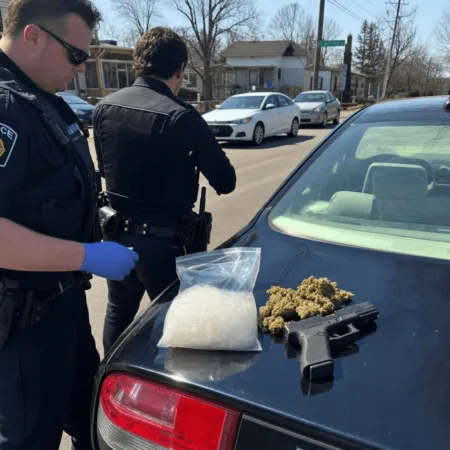
Let’s get real, this isn’t just another psychedelic news flash. When science uncovers links between psychedelics, brain activity, and dream states, it shines a fresh light on cannabis too. Why? Because for many, cannabis acts as a gentler cousin, sparking introspection and micro-dreams while awake. Psychedelics brain dreaming research challenges our assumptions and aligns with growing anecdotes from cannabis communities around the world. From the regulatory perspective, recent enforcement actions such as community reactions to intoxicant and smoke shop raids remind us how intertwined these topics can be. As leading neurologist Dr. David Nutt notes in an interview with Vice: “Psychedelics break down the normal limitations of consciousness, letting us access new territory, much like how dreams process and heal the brain.” The ripple effect? More scientists and clinicians look to cannabis as both complementary and preparatory to deeper psychedelic exploration. Industry voices, like those published in MJBizDaily, argue this is just the start of a trend where cannabis, psychedelics, and the science of dreaming intertwine to push mental wellness forward. As always, safe use and robust clinical oversight must anchor the movement. But for anyone who has found comfort, creativity, or relief rolling with cannabis, today’s headlines just validate the lived experience.
Looking Ahead: Dreaming Big with Psychedelics and Cannabis
Here’s the good news for every conscious consumer and advocate—society is moving from stigma to science. The evolving journey of psychedelics brain dreaming brings hope for new treatments, richer understanding, and expanded freedoms around plant medicine. Regulations across North America and Europe are slow, but they’re bending under pressure from both data and popular demand. As the National Organization for the Reform of Marijuana Laws (NORML) points out, today’s steady policy progress is powered by science and a groundswell of real human stories. Now’s the time to stay informed, stay curious, and engage in shaping the next era of mind-expansion—where cannabis, neuroscience, and the deepest mysteries of the mind finally share one conversation. Let’s keep the dream alive.
Originally reported by: sciencealert.com