Bridgeville human trafficking charges: Shocking new case exposed
If you keep an eye on industry headlines, you’ve probably seen the phrase Bridgeville human trafficking charges swirling around. This news doesn’t just shake up the Humboldt County community—it sends ripples across California’s cannabis scene and the broader legalization debate. Beyond typical sensational headlines, this story spotlighted the collision of legal cannabis culture, historical underground activity, and real accountability. Understanding how these charges intersect with local cannabis life is more important than ever for advocates, consumers, and industry veterans. Let’s break down what’s really happening, why it matters, and how it shapes the ongoing cannabis conversation.
The Cannabis Context: Law, Culture, and Shifting Social Realities
The California Department of Food and Agriculture, along with the Bureau of Cannabis Control, has invested years in establishing a regulated cannabis market since the passage of Prop 64 in 2016. In places like Bridgeville, set deep in Humboldt’s Emerald Triangle, the connection to legacy operators runs even deeper than the advent of legal dispensaries. This mixing of heritage cultivation practices, variable enforcement, and evolving regulatory policies has created a unique atmosphere for ongoing challenges. As Los Angeles Times reporting outlines, underground cannabis enterprises and labor disputes persist despite the growth of mainstream businesses. Widespread economic and social pressures continue to impact workers, especially immigrants and seasonal laborers, sometimes driving them into vulnerable positions. These issues mirror similar regulatory adjustments seen in other regions, such as the major changes to cannabis regulations in Lake County in 2024, where local governments are also struggling to adapt laws and enforcement strategies to current market realities. When a case like the Bridgeville human trafficking charges comes to light, it underscores the ongoing tension between compliance, cultural practice, and law enforcement within rural cannabis communities.
Allegations, Details, and the Community Impact of the Bridgeville Human Trafficking Charges
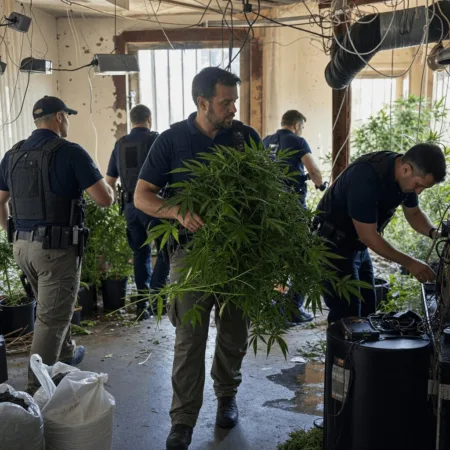
According to Lost Coast Outpost, officials in Humboldt County have charged several individuals linked to a Bridgeville property with felony counts, including human trafficking, wage theft, and illicit cannabis activity. These allegations describe situations where undocumented workers were forced to live in poor conditions and paid significantly less than minimum wage. A search conducted in March 2026 uncovered evidence ranging from cannabis inventory to payroll documentation. The individuals named by authorities are accused of running an unlicensed cultivation operation over multiple harvests, with both former workers and neighboring landowners serving as witnesses. Given the scale and nature of the charges, community members have expressed a mix of outrage and concern about broader legal crackdowns potentially impacting reputable operators. Similar dynamics have played out in other communities, like what happened during a smoke shop raid that shocked a Miami neighborhood, further highlighting how enforcement actions can create lasting ripples for local residents and the broader industry. Law enforcement coordination with state agencies in Humboldt marks an effort to increase transparency and accountability in rural cannabis valleys in response to the Bridgeville human trafficking charges.
Expert Analysis: What This Means for Cannabis, Culture & Labor Rights
Let’s get real. Having observed the journey from underground trim scenes to legitimate retail platforms, these Bridgeville human trafficking charges signal a critical inflection point for the community. They starkly reveal how incomplete enforcement leaves room for continued labor exploitation, as stigma around the industry lingers. According to MJBizDaily, ongoing labor abuses and unregulated activity remain significant threats to the stability of California’s licensed cannabis markets. “We’re at a crossroads,” explains Amanda Reiman, PhD, a leading cannabis researcher at the Drug Policy Alliance. She adds, “Regulation needs teeth, but those teeth should target exploitation instead of simply cracking down on heritage growers.” These events in Bridgeville illustrate the need for more meaningful reforms—such as comprehensive labor protections, streamlined pathways for operators to enter the legal market, and ongoing community education on worker rights. Recognizing these patterns is crucial, much like examining state-level legalization debates that have brought transformative changes—for example, the shift in Virginia’s approach to legal cannabis. To truly support and uphold the communities that put Northern California cannabis on the map, the conversation must focus on strengthening local foundations rather than promoting fear or misinformation.
Looking Ahead: Lessons, Hopes, and the Fight for a Better Cannabis Scene
Despite the turmoil caused by the Bridgeville human trafficking charges, the future isn’t all doom and gloom. Instead, it’s a reminder: for cannabis to thrive, it must be just, ethical, and inclusive. As social acceptance grows and lawmakers fine-tune regulation—something industry analysts at Leafly News report is already happening—the path ahead looks promising for both consumers and compliant operators. Building trust, supporting worker protection, and respecting the spirit of cannabis culture will turn moments of crisis into opportunities for progress. Humboldt County and the Golden State aren’t just ground zero for cannabis innovation; they’re also testing grounds for social change. Let’s watch the Bridgeville story become a catalyst for positive reform—and keep working to make the entire industry fair, safe, and sustainable for everyone involved.
Originally reported by: lostcoastoutpost.com