Illicit Intoxicants Smoke Shop Raid Reveals Shocking Discovery
In the wild world of cannabis retail, the “illicit intoxicants smoke shop raid” in Oceanside has sparked big questions about the evolving market and ongoing legal battles. Why does this matter now? With tighter regulations and a booming gray market, stories like these highlight how communities and regulators struggle for balance. In this article, I’ll break down what went down, explain why these raids are happening, and what it all means for cannabis culture moving forward.
The Regulatory Tangle: How Illicit Intoxicants Land Shops in Hot Water
Cannabis legalization was supposed to bring clarity, but gray areas remain. As Marijuana Moment has frequently reported, evolving regulatory frameworks mean strict oversight on who can sell, what they can sell, and how. States like California, long seen as green pioneers, have struggled to stamp out unlicensed players even as they rake in tax dollars. For example, the experience of retailers in Rochester illustrates how new dispensaries can change the local landscape, driving attention to oversight challenges in regions where cannabis markets are rapidly evolving. Complicating matters, federal illegality lingers, leaving smoke shops exposed if they stray outside state lines. Local communities, especially in places like Oceanside, often suffer from inconsistent enforcement, feeding tensions between above-board operators and those accused of selling “illicit intoxicants.” Recent California Department of Public Health regulations outline strict requirements, but not every shop gets the memo, leading inevitably to headline-grabbing raids.
What Went Down: Details and Fallout from the Illicit Intoxicants Smoke Shop Raid
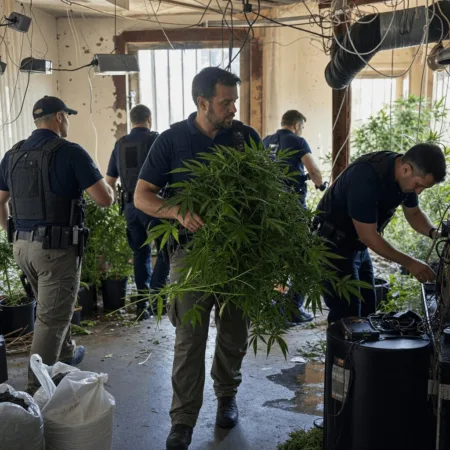
According to NBC San Diego, Oceanside authorities executed a major “illicit intoxicants smoke shop raid” on several retail shops this week, uncovering around 100 pounds of suspected illicit cannabis products. Officers seized clear bags packed with flower, glass jars brimming with unlicensed bud, vape pens, and edibles not registered under state tracking systems. This mirrors incidents across the country, such as the recent enforcement actions in Miami, where a high-profile drug raid shocked the local community and raised concerns over the effectiveness of regulatory monitoring. Police tape fluttered through the scene, and stunned patrons were caught off guard, still eyeing pre-rolls as law enforcement secured the area. Businesses implicated ranged from low-key corner shops to better-known retailers previously flagged for noncompliance. No immediate arrests were announced, but city officials confirmed ongoing investigations and possible state licensing repercussions. This high-profile raid puts a spotlight on the uncomfortable coexistence of legal and unlicensed cannabis commerce in California’s retail sector.
Beyond the Raid: Expert Perspective on Cannabis Regulation and Culture
The “illicit intoxicants smoke shop raid” underscores deeper rifts in cannabis retail. As Filter Magazine has argued, costly licensing and patchwork enforcement push many operators to operate on the edge, or even beyond it. Some policymakers are taking cues from other markets grappling with these challenges, such as Missouri, where the evolving licensing rules have become a point of focus for advocates seeking streamlined compliance. Industry veterans say raids like this show regulators’ struggle to keep up with demand and local dynamics. According to Jim McAlpine, founder of the 420 Games and seasoned cannabis advocate, “Criminalizing unlicensed shops misses the point, if access was easier, fewer would risk going underground.” (High Times). These expert insights highlight that, while no one’s excusing illegal sales, overregulation drives riskier business practices and erodes consumer trust. Smart policy must balance enforcement with incentives to enter the legal market, something authorities often overlook.
Looking Ahead: Can Raids and Reform Bring Harmony?
The “illicit intoxicants smoke shop raid” shines a harsh light on the California retail ecosystem, but it also pushes the conversation forward. For the industry to thrive, solutions lie in ongoing decriminalization, fairer access to licenses, and robust consumer education. Social attitudes shift daily, with recent Gallup polls showing record support for adult-use legalization nationwide. If regulators listen to communities, encourage transparent business ownership, and foster competition, these kinds of headlines will eventually fade. That’s a win for consumers, advocates, and operators alike—something we can all root for. For ongoing updates, NORML News remains a trusted source.
Originally reported by: nbcsandiego.com