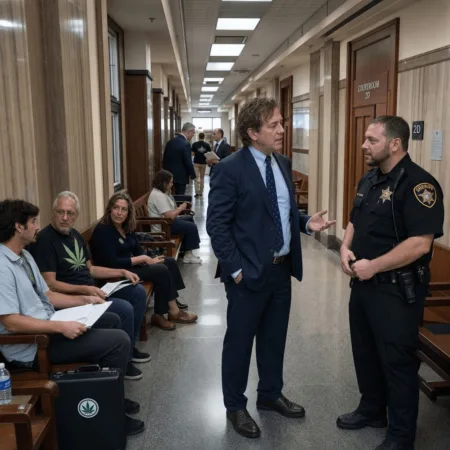
Lake Charles drug trafficking ring exposed in city shoe store
If you’ve blinked lately, you might have missed the surge of news around Lake Charles drug trafficking. It’s front-page stuff, and it’s sparking fresh debates across both the cannabis and legal worlds. When a shoe store in Lake Charles allegedly became the unlikely front for a trafficking operation, everyone from regulators to advocates took notice. This isn’t just another headline; it’s a spotlight on how evolving laws, demand, and enforcement are changing the cannabis scene—sometimes in ways nobody predicts. Let’s break it all down, explore the facts, and see what it really means for the future of cannabis and the wider conversation about prohibition and safe access.
Background: Regulatory, Legal, and Social Factors in Lake Charles Drug Trafficking
Lake Charles, like much of Louisiana, sits at a crossroads between shifting attitudes towards cannabis and some pretty old-school laws. In recent years, states like Illinois and California have gone full steam ahead with legalization and tight regulatory models. But in Louisiana, while medical cannabis is regulated, recreational use and unlicensed distribution are very much illegal, as outlined by the Louisiana Department of Health. Combine that with a high demand for quality product, restricted legal access, and a robust underground market, and you’ve got a climate ripe for stories like this one. Analysts in other legal markets, like Illinois, have reported both losses and opportunities as regulations shift. Social stigma still lingers in some circles, yet more people are recognizing the therapeutic value of cannabis. Industry analysts, like those at Marijuana Moment, report that patchwork regulations often fuel both risk and entrepreneurial spirit, even in unexpected places like shoe stores.
Key Developments & Issues: The Shoe Store Bust
On March 13, 2026, federal prosecutors unsealed documents revealing allegations of a major Lake Charles drug trafficking ring secretly operating out of a shoe store on Ryan Street. According to legal filings reported by KPLC TV, this wasn’t a fly-by-night hustle: indictments detail months of undercover surveillance, culminating in simultaneous raids and several arrests. Prosecutors say both staff and management were complicit, with inventory cleverly blended, shoeboxes shielded not just sneakers but illegal product as well. The investigation, led by the U.S. Drug Enforcement Administration in partnership with local authorities, alleges that the group trafficked not only cannabis but also other controlled substances. Similar undercover investigations have shocked other communities when retail outlets were involved in trafficking. Law enforcement seized physical evidence including shoe boxes packed with suspected cannabis and cash proceeds from sales. Those indicted now face federal drug and conspiracy charges, which, under federal law, carry significant penalties and mandatory minimums. As of publication, legal proceedings are ongoing. The discovery has sent shockwaves through both the local business community and policy-makers trying to keep pace with a fast-evolving cannabis landscape.
Expert Analysis & Insights: Peeling Back the Layers
Anyone who’s watched the cannabis industry grow knows these Lake Charles drug trafficking busts often reveal more about the system than the individuals involved. When legal access is limited and stigma is strong, even small businesses can become a hub for underground supply. This isn’t a story about ‘just crime’—it’s about what happens when regulation fails to meet real-world demand. Policy discussions around cannabis enforcement often highlight the interplay between criminal penalties, real estate access, and disparities seen nationwide. Cannabis industry veteran MJBizDaily columnist and consultant Shaleen Title put it best: “When people can’t access safe, regulated cannabis, they’ll find alternatives, sometimes in the most unexpected places. The answer isn’t more crackdowns, it’s policy reform and education.” The Lake Charles case reflects a familiar pattern, echoing trends seen before legalization in states like Colorado and California. Social acceptance is up, but when the policy lags, the illicit market fills in. As reported by NORML, modern enforcement strategies should adapt, focusing less on minor cannabis prosecutions and more on harm reduction and safe access.
Future Outlook and Conclusion: Turning a Page in the Cannabis Conversation
If anything, the recent headlines around Lake Charles drug trafficking make one thing clear: prohibition breeds innovation, not always in ways we want. Policy-makers, advocates, and industry insiders are watching closely. The need for better regulation, education, and access has never been more obvious. Expect these events to fuel louder calls for reform, as we’ve seen in states that moved past prohibition. As Leafly News consistently reports, broadening access and clarifying the rules creates safer communities for everyone—consumers, businesses, and law enforcement. Lake Charles isn’t alone, but its story could be a turning point. Here’s hoping the future brings smarter laws, less stigma, and a fair shake for cannabis at every level.
Originally reported by: kplctv.com