



Pokagon Band cannabis compact: Game-Changer in Michigan
Big moves are brewing in Michigan, and the Pokagon Band cannabis compact is leading the way. With fresh signatures and major momentum, this agreement puts tribal sovereignty and cannabis industry evolution smack in the spotlight. As legal markets flex and expand in the Midwest, the compact shakes up assumptions, powers new conversations, and redefines what partnership can mean—especially for those who’ve long stood at the edge of mainstream industries. If you care about progress, policy change, or just want to know why everyone in Michigan is buzzing about this historic deal, you’re in the right place. Here’s what’s actually happening, why it matters right now, and what might come next for the Pokagon Band, Michigan’s cannabis market, and beyond.
Tribal Sovereignty, Michigan Law, and the Cannabis Landscape
The Pokagon Band cannabis compact doesn’t just appear out of thin air. It’s rooted in decades of negotiation between tribal governance and state law, each with distinct authority and historic friction. In Michigan, the Department of Licensing and Regulatory Affairs (LARA) has overseen a massive growth in licensed cannabis businesses. Yet tribal nations, like the Pokagon Band of Potawatomi, have uniquely positioned legal status, sovereign with powers independent from state government, especially regarding economic enterprises on their lands (U.S. Department of Justice). Previously, state and tribal cannabis laws moved on parallel tracks, with frequent disconnects, legal ambiguities, and lost economic opportunity. Now, with a population that consistently votes pro-cannabis and a state hauling in billions in annual sales (Leafly Industry Report), the groundwork for a more integrated, fair, and innovative market is finally taking shape. As the market expands, it’s important to acknowledge that public health issues, like contamination concerns and compliance actions affecting retailers, continue to arise—see recent retailer responses to mold fines in NJ dispensaries. Pokagon Band leaders pushed for recognition, mutual respect, and the chance to bring jobs, revenue, and new partnerships to their community, all central drivers behind the compact we see today.
Historic Details: What the Pokagon Band Cannabis Compact Actually Does
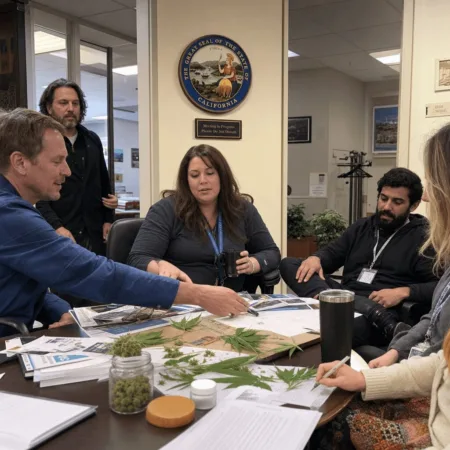
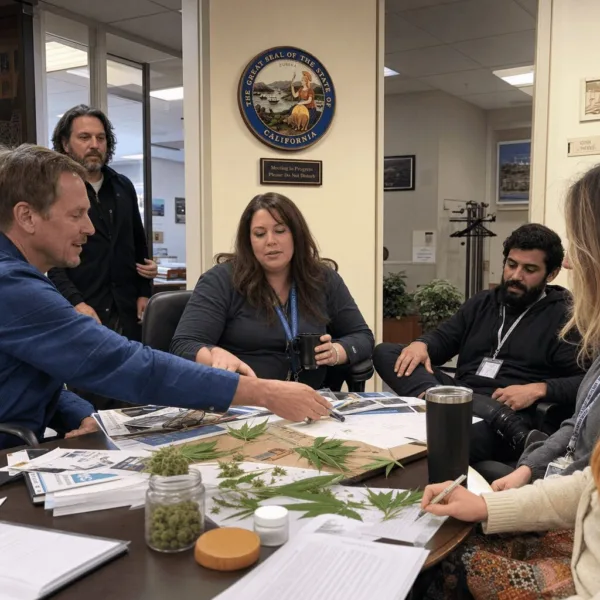
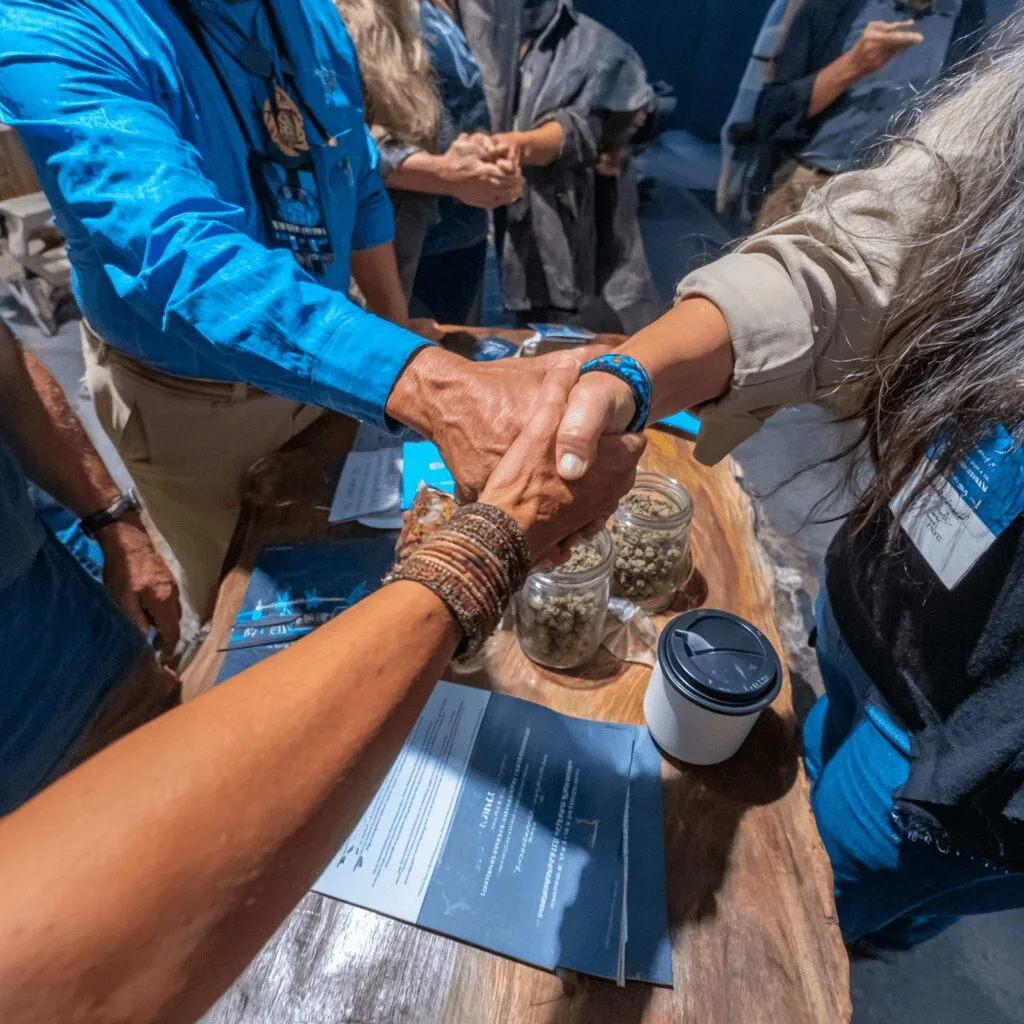
The Pokagon Band cannabis compact and state-tribal legal progress
Here’s the high-level rundown: On December 18, 2025, the Pokagon Band of Potawatomi Indians and the State of Michigan signed an unprecedented cannabis compact (LARA, official release). This deal officially authorizes the Pokagon Band to legally cultivate, process, and sell cannabis products on their sovereign lands, under mutually agreed rules and oversight. Instead of working entirely outside Michigan’s state-regulated system, the Pokagon Band will now align certain safety, quality, and business requirements directly with state protocols. The agreement covers:
- Licensing standards for cannabis facilities, product testing, and staff training
- Integrated tax collection and revenue sharing arrangements
- Rules ensuring product safety and reliable consumer access
- Ongoing, formal cooperation between tribal regulators and Michigan’s Cannabis Regulatory Agency
By officially linking tribal and state markets, the Pokagon Band cannabis compact eliminates legal gray zones that slowed investment and innovation. It sets concrete guidelines so that both sovereignty and compliance can coexist, paving the way for tribal businesses to thrive within Michigan’s booming $3.5 billion-a-year cannabis sector. Policies like this aren’t unique to Michigan—across the U.S., the industry is seeing regulatory changes and rescheduling shifts that carry broad effects, as discussed in updates on marijuana’s rescheduling in federal policy. For perspective, Michigan is among the top five cannabis economies in the U.S. (MLive Public Interest report), and tribal enterprises now get a crucial seat at that table, starting now.
Why This Matters: Industry Impact and Real-World Insights
Expert Views and the Pokagon Band cannabis compact
Okay, let’s spark up some real talk. The Pokagon Band cannabis compact marks one of the first times a Michigan tribal nation has struck a cannabis deal of this size and clarity with the state. This isn’t just a legal handshake, it’s fuel for innovation, social equity, and local economic growth. “This agreement shows real respect for tribal sovereignty while building up the whole industry,” says Jamie Lowell, a founding member of the Michigan Cannabis Industry Association (MCIA Legal Resource). “It’ll create new opportunities not just for the Pokagon Band, but for consumers and operators statewide.”
Other experts, including attorneys at the State Records Office, point out how the compact sets a new precedent for tribal-state partnerships. In other regions, unlicensed retail and enforcement actions highlight complexities in the system, exemplified by recent crackdowns on unlicensed cannabis shops in D.C. and their community effects. In states like California, similar compacts have smoothed over years of tension and confusion, unlocking new legal frameworks (see Los Angeles Blade). For Michigan, this move means a more resilient, inclusive, and legitimate market. It spells more accountability, consumer choices, and market access, detailing every step of the supply chain, from seed to sale. As noted by Marijuana Moment, compact agreements like this “drive innovation, offer new business models, and ensure no community gets left behind as the industry matures.” The Pokagon Band cannabis compact is now a benchmark others will watch nationwide.
Looking Forward: The Cannabis Community’s Next Moves
The Pokagon Band cannabis compact isn’t the end of the story—it’s a bold beginning. With this new partnership, Michigan emboldens local economies and shows real commitment to tribal sovereignty. Other tribal nations across the country are watching closely, considering similar deals as regulatory barriers fall and markets open up. Industry analysts expect tribal compact models to spread in coming years, adding layers of diversity and equity to the U.S. cannabis landscape (Benzinga: Tribal Nations in Cannabis). The result? More legal certainty, more jobs, and more community-driven growth. While some bumps are bound to happen, optimism is sky-high. Michigan’s mainstream businesses, policy thinkers, and everyday consumers now get to partner directly with tribal communities for the first time. That’s a win—no matter how you slice it, roll it, or spark it up. The future of the cannabis industry just got a whole lot brighter, and the Pokagon Band cannabis compact is lighting the path.
Originally reported by: michigan.gov