



Pennsylvania hemp regulation: What lawmakers are planning
Alright, hemp heads and policy wonks—Pennsylvania hemp regulation is heating up in ways that have the industry buzzing. Driven by fast-evolving markets and rising consumer demand for hemp-derived products (especially CBD and delta-8), lawmakers and local craft producers are meeting with boots-on-the-ground urgency. Whether you’re a hemp producer, wellness advocate, or just a curious Pennsylvanian, these policy moves have big-time impact: they’re shaping what’s allowed on shelves, in fields, and in your morning routine right now. Let’s talk recent lawmaker meetings, business owner testimony, and the next moves for this critical Pennsylvania hemp regulation.
The Evolving Landscape: Background & Context for Pennsylvania Hemp Regulation
Pennsylvania’s journey with industrial hemp tracks the national narrative of rapid change, cautious optimism, and regulatory complexity. After the 2018 Farm Bill federally green-lit industrial hemp with THC levels below 0.3%, states like Pennsylvania leaned in fast, establishing pilot programs and building out their own hemp laws. But as Pennsylvania’s Department of Agriculture outlines, the state’s program covers everything from fiber to flower, drawing a line between legal hemp and regulated cannabis. The zone has turned murky as consumer demand for products like delta-8 THC soared—products technically legal, though chemically similar to banned compounds. Many consumers, retailers, and law enforcement agencies feel stuck between the state’s green thumbs and federal gray areas, which only complicates the regulatory picture as seen in debates on regulation facing industry realities. Add in local businesses fueling Main Street economies and lawmakers eager to clarify the rules, and it’s clear why conversations about Pennsylvania hemp regulation are front-page material today.
Recent Developments & Key Issues: What’s Really Happening in Harrisburg?
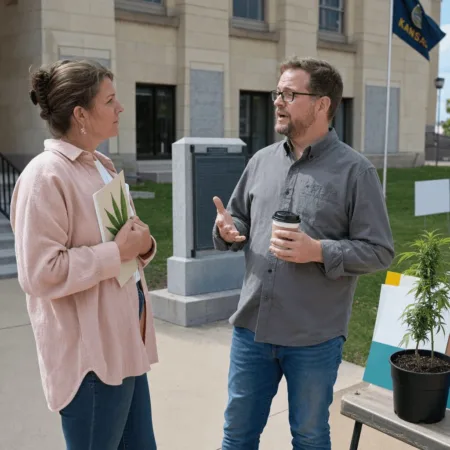
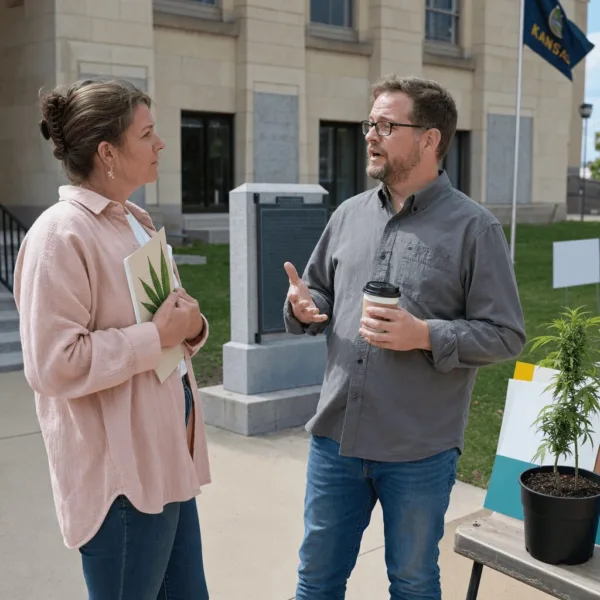
Pennsylvania legislators just held a pivotal roundtable meeting with business owners directly invested in hemp production and sales. According to the team at LancasterOnline, officials welcomed Craig Wolf—owner of Lancaster-based Endo Dispensary & Wellness—to the state capitol to talk shop. The big agenda point: how to regulate increasingly popular hemp-derived cannabinoids like delta-8 THC, delta-10, and similar products while keeping consumer safety and local business viability in view. Wolf and other advocates argue these products drive economic opportunity, employ dozens locally, and meet real consumer demand. However, lawmakers also heard concerns from public health and law enforcement about confusion over what’s legal and products finding their way into schools. The discussion didn’t decide new laws yet—but signaled the state’s intent to hash out standards that could impact labeling, age restrictions, and which products can be sold in-store or online, and is reminiscent of how other states have tackled issues such as Congress potentially adjusting coverage of hemp products like CBD for Medicare beneficiaries. That’s a crucial step for Pennsylvania hemp regulation, as other states like Illinois and Oregon have enacted strict rules or outright bans on certain hemp extracts. As the debate develops, Pennsylvania’s hemp community is actively engaged in the process, pushing for clarity—with lawmakers finally listening.
Expert Analysis & Real-World Insights: What It Means for Hemp in PA
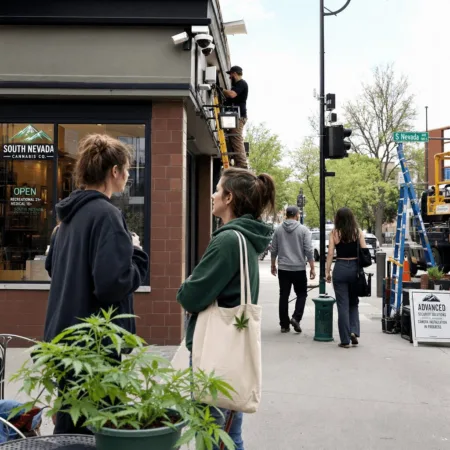
The conversation around Pennsylvania hemp regulation isn’t just bureaucratic back-and-forth, it’s a serious crossroads for the state’s emerging cannabis sector. Local producers find themselves balancing the creative charm of small-batch CBD salves and gummies against a need for clear guardrails that keep everyone safe and compliant with the law. As Hemp Grower Magazine points out, states with flexible but robust hemp oversight attract both entrepreneurial energy and responsible operators. That means well-crafted rules lead to innovation and safer consumer products, while over-regulation could squeeze out homegrown hemp businesses, a challenge that echoes issues experienced by medical marijuana dispensaries in places like Connecticut where dispensary closures have raised concerns in 2024. To quote leading cannabis policy analyst Morgan Fox from NORML: “States have a responsibility to protect consumers, but with sensible regulation, hemp-derived products present little risk and enormous economic potential.” Transparent regulations could also help curb black-market activity by bringing producers above board. With several lawmakers signaling they want to get it right—and business owners pushing for their voices to be heard—Pennsylvania is poised for a uniquely balanced solution if industry, science, and common sense continue guiding the way.
What’s Next? Opportunities & Optimism for Pennsylvania Hemp Regulation
It’s an exciting, if sometimes nerve-wracking, time to be involved in Pennsylvania hemp regulation. With lawmakers, entrepreneurs, and public health officials hashing things out at the same table, the path forward looks brighter for businesses and safer for consumers. The state’s hemp sector is set for further growth as policymakers recognize the market’s maturity and social acceptance continues to rise. Industry watchers from MJBizDaily report expanding retail and production opportunities wherever states take smart, informed approaches to regulation—and Pennsylvania is lining up to be in that circle. With clear laws ahead, cannabis culture in PA will be a little less “grey area” and a whole lot greener. Stay tuned, stay involved, and keep it legal—because the best is yet to come for hemp in the Keystone State.
Originally reported by: lancasteronline.com