




hemp regulation Pennsylvania: Lawmakers & Business Owners Speak
Right now, talk about hemp regulation Pennsylvania is blowing up—and with good reason. Local business owners and lawmakers are clashing over how to handle the fast-growing hemp and cannabis-derived product market. This is more than just another regulatory shuffle; we’re talking real jobs, real products, and evolving legal landscapes that affect everything from farmers to dispensary shelves. Industry voices are sounding off, products are under scrutiny, and Pennsylvania sits at a crossroads. Stick around as we unpack what’s driving the conversation, which products and laws are on the table, and where the state’s cannabis scene could head next.
Background: The Regulatory Maze of Hemp Regulation Pennsylvania
If you’ve spent more than five minutes in a Pennsylvania smoke shop, or scrolled cannabis Twitter, you know hemp-derived products are everywhere. Ever since the 2018 Farm Bill cracked open the door for legal hemp, the industry’s exploded. The bill legalized hemp with less than 0.3% THC, but the fine print, states get to carve out their own paths regarding oversight, retail, and bans on specific products like delta-8 THC or infused snacks. According to data from NORML, Pennsylvania’s regulatory environment is a weird limbo: medical marijuana is tightly controlled, but hemp-derived cannabinoids operate in a gray zone with few explicit restrictions, until lawmakers step in to clarify or crack down. With businesses and consumers stuck guessing which extract, edible, or oil might get the boot next, clear rules and direction are needed. This is also playing out on a national level as other states refine their rules, including recent actions and debates over insurance and access, such as the ongoing discussion about Medicare CBD Hemp Coverage in Congress. That’s why efforts to advance a working regulatory framework for hemp regulation Pennsylvania matter way beyond a few local shops. Clarity means business safety, consumer trust, and less court drama for everyone involved.
Key Developments: Business Owners and Lawmakers in the Hemp Hot Seat
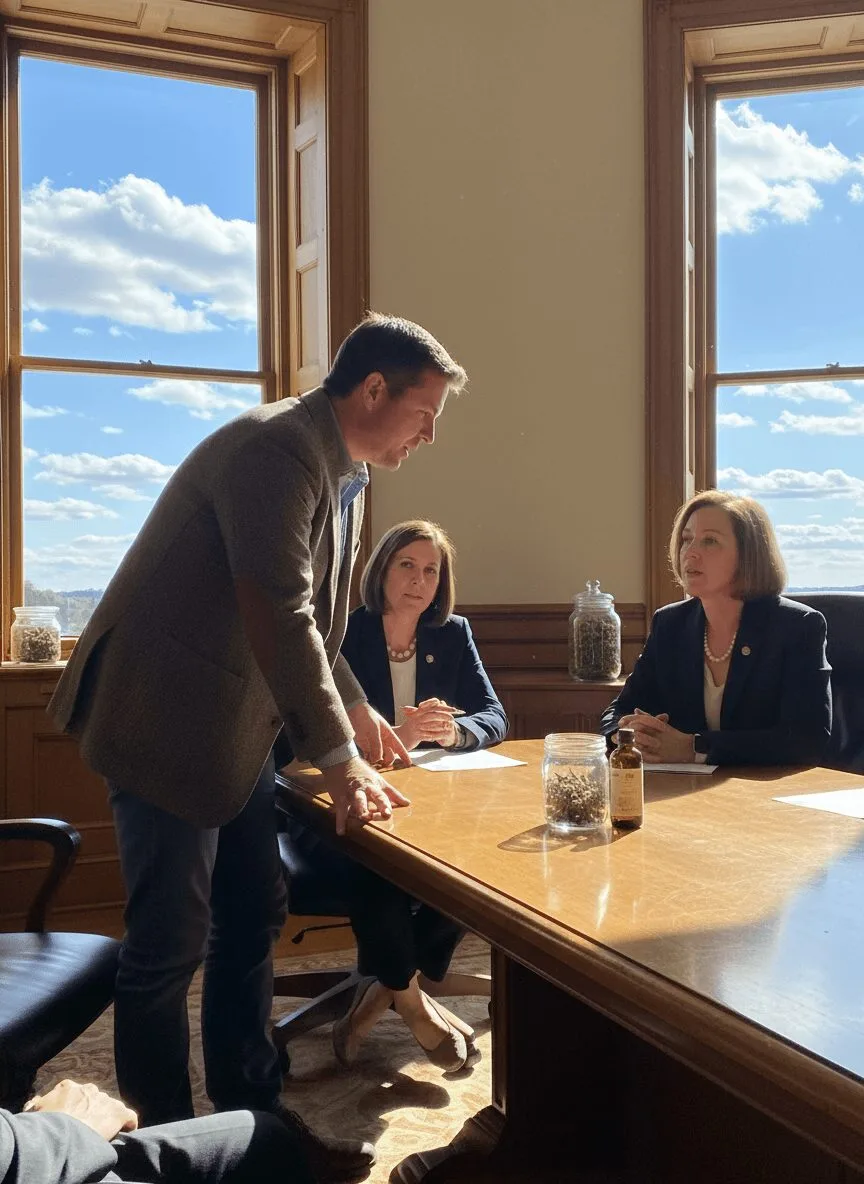
In a scene straight from the heart of the Pennsylvania hemp debate, Endo—a Lancaster-based hemp company—recently took center stage. Owner Eric Gehman sat down with state lawmakers inside a Harrisburg hearing room, putting faces and products to the local industry. According to a LancasterOnline report, Gehman made the case for giving Pennsylvanians clear rules and science-driven standards rather than blanket bans or patchwork enforcement. Lawmakers grilled him on product safety, labeling, and the infamous delta-8 THC—an intoxicating cannabis compound produced from legal hemp. Specific bills are in play that would regulate or restrict sales, especially to minors and in unlicensed outlets. This mirrors how legal challenges and government crackdowns, such as the recent seizure of psilocybin chocolate bars in Denver, sometimes arise when clarity is lacking. Growers and shop owners argue that too much red tape could push these products further underground or out of state. The conversation highlighted how hemp regulation Pennsylvania decisions aren’t just legal, they’re economic, impacting Main Street and everyday lives. The state is now considering whether to pass new guidelines for testing, age restriction, and dosage labeling for hemp-derived goods, echoing similar moves in states like Kentucky and Tennessee (Marijuana Moment).
Expert Analysis & Insights: Navigating Change in Hemp Regulation Pennsylvania
The stakes couldn’t be higher for hemp regulation Pennsylvania. As state and federal rules shift, industry leaders say lasting solutions depend on collaboration and education, not kneejerk bans. According to Hemp Grower Magazine, robust regulation is key: “Clear, enforceable standards protect consumers and allow responsible operators to thrive,” notes chief editor Lindsey Bartlett. With roughly $824 million in U.S. hemp-derived sales last year (cited by Brightfield Group), Pennsylvania can’t afford ambiguity. These debates surface in other sectors too, such as when state laws are reconsidered and reformed—recently seen in Washington’s evolving stance on home marijuana cultivation and regulatory change (read about Washington Marijuana Home Cultivation reform). Lawmakers worry about underage use and mislabeling, while businesses want fair rules without suffocating compliance costs. As one Lancaster shop owner put it during the hearing, “If we’re going to move this industry forward, we need rules that work for us, not just against us.” The debate mirrors national tensions: states like Minnesota and Connecticut are moving toward comprehensive frameworks instead of patchwork bans, seeing better outcomes for public safety and business growth (Cannabis Business Times).
Future Outlook: Hemp Regulation Pennsylvania and Beyond
Here’s the bottom line: While lawmakers hash out the details of hemp regulation Pennsylvania, the cannabis industry isn’t slowing down. Consumers want safe, reliable access, and responsible businesses want to play by the rules—if they’re clear. With major states setting examples and organizations like NORML pushing for science-first oversight, Pennsylvania’s next moves could either set it up as a model, or leave it scrambling to catch up. If growers, lawmakers, and consumers keep the dialogue open and honest, expect a future where hemp products are better understood, safer, and widely available—from tinctures to snack bars. The state’s hemp scene? It’s just getting started, and with the right approach, could be a shining example of how smart regulation can benefit everyone. Stay tuned—the next chapter in hemp regulation Pennsylvania is still being written.
Originally reported by: lancasteronline.com

1 Comment
Pingback: Pennsylvania hemp regulation: What lawmakers are planning