


Oktoberfest cannabis ban: Record beer prices spark debate
It’s 2025, and the air at Oktoberfest is buzzing with more than just excitement over frothy steins. This year, punters aren’t just talking about the iconic event’s record beer prices—instead, all eyes are on the strict Oktoberfest cannabis ban. As Germany’s legal cannabis scene grows alongside evolving social attitudes, tensions flare at the intersection of tradition, legalization, and public policy. With wallets hit hard by rising costs, festival-goers and policy makers now find themselves asking: is Oktoberfest stuck in the past, or is this ban a bold statement about the future?
Background: Changing Tides in Cannabis Legislation and Festival Culture
To understand the fuss around the Oktoberfest cannabis ban, let’s step back. Germany’s legalization of adult-use cannabis, a milestone officially passed in April 2024, marked a seismic cultural shift (DW). This law allows limited personal possession and has helped normalize cannabis in everyday social spaces. Meanwhile, large public events, especially those with rich tradition like Oktoberfest, have become ground zero for debates over public consumption, age restrictions, and law enforcement. These issues aren’t unique to Germany; similar flashpoints have emerged at festivals from California to Amsterdam, as festival organizers wrestle with policy, safety, and the modern realities of legalization (MJBizDaily). In the context of how gift-giving customs and celebrations now evolve with cannabis’ presence, recent examples show how everything from fruit baskets to THC products transform traditions and spark debate (see how changing gift culture shapes cannabis norms). Add Bavarian cultural pride, global tourism, and the powerful beer lobby, and you’ve got a heady mix of tradition clashing with change. The Oktoberfest cannabis ban is now a high-profile focal point for this tension.
Key Developments & Issues: Oktoberfest’s 2025 Cannabis Ban and Surging Beer Prices
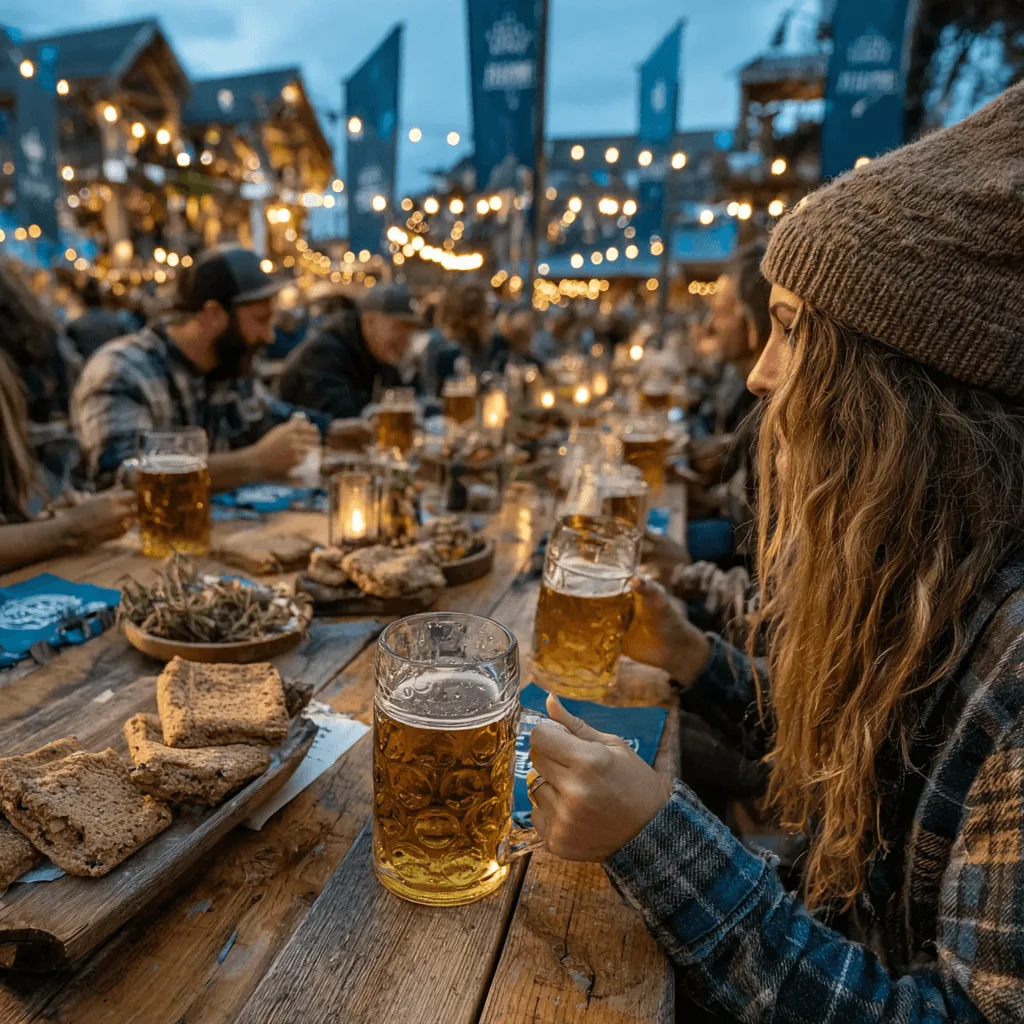
The current news cycle is ablaze with Oktoberfest’s record-high beer prices. Reports from DW confirm that a massive stein can set partygoers back up to €15.50, a jaw-dropping figure even for seasoned festival veterans. But what’s really putting wind in the sails of debate is Munich officials’ continued enforcement of the Oktoberfest cannabis ban. Despite nationwide legalization, city authorities maintain a zero-tolerance approach on festival grounds. According to Munich’s police chief quoted in the latest city press briefing, their goal is a ‘clear, family-friendly’ environment, banning all cannabis consumption on Theresienwiese grounds for the duration (Munich official portal). Violators face fines and possible ejection. Simultaneously, beer vendors and festival organizers are grappling with inflation-driven cost surges and mounting criticism about pricing, fueling discontent. Challenges like these reflect broader cannabis shifts seen in other legalized markets this year, with surprising shifts and insights shaping the 2025 cannabis market. Vendors remain tightly regulated, and the beer-only, no cannabis, policy remains strictly enforced, with city officials citing international tourism expectations and adherence to traditional festival values.
Expert Analysis & Insights: Brewing Tensions, Missed Opportunities
So, what do experts and seasoned cannabis advocates make of the Oktoberfest cannabis ban? There’s no denying the emotion swirling in beer tents. The legal landscape has changed, but the ban on cannabis at such a high-profile event signals regulatory hesitation. Renowned industry consultant Maren Müller shared with Leafly Germany: “Germany’s approach to legalization was designed for harm reduction and social acceptance. But tight festival bans jeopardize integration, pushing cannabis use out of sight rather than creating safe, open environments.” Sociologists argue that such policies may actually drive use underground, undermining transparency envisioned by new regulations. High-profile industry figures, such as Hanfverband’s Georg Wurth, have repeatedly pointed to evidence showing regulated events with education, testing, and harm reduction reduce risks and misuse, echoing findings in NORML‘s international festival research. The ongoing debate reflects lessons from tragic incidents—such as impaired driving and its aftermath at major gatherings—that illustrate why balanced policy is crucial; for example, cases like the recent cannabis-impaired fatal crash, which highlighted the need for clear event guidelines and harm prevention. To many, Oktoberfest could have been the perfect pilot for responsible on-site cannabis enjoyment: controlled, transparent, and woven into the Bavarian tapestry where beer and cannabis could coexist, rather than compete under prohibitionist shadows.
Outlook: Finding Common Ground Amid Change
Oktoberfest’s cannabis ban, stacked against the backdrop of soaring beer prices, is more than just a headline. It’s a microcosm of legalization’s growing pains—not only in Germany, but globally. Industry experts and community advocates alike remain optimistic that change is brewing. Today’s ban is tomorrow’s debate. According to BZ, policymakers are already facing mounting calls to review blanket bans as society acclimates to legal cannabis norms. Looking forward, the smart money is betting that festivals will eventually get hip to nuance and integration—just as the broader public does with responsible drinking. For cannabis supporters, each discussion brings us closer to an Oktoberfest where responsible enjoyment of both traditions is not only possible, but celebrated. Consider this year’s controversy another step in the journey toward full social acceptance—one legal step (and maybe one stein) at a time.
Originally reported by: dw.com