



Cannabis Impaired Fatal Crash: Shocking Bridgeview Case
This story matters now more than ever as the cannabis market grows, legalization keeps rolling, and public safety debates heat up. The Bridgeview cannabis impaired fatal crash is a grim reminder of what happens when cannabis use meets roads—sparking questions about policy, responsibility, and how society reacts when tragedy strikes. As headlines swirl, let’s break down why this case stands out, what really happened, and what it means for cannabis consumers, advocates, and regulators alike. The stakes are high because the answer to how society handles incidents like a cannabis impaired fatal crash will shape policy, perception, and people’s lives for years to come.
Cannabis Policy Evolution and Societal Impact: The Backdrop to a Cannabis Impaired Fatal Crash
The legalization of recreational cannabis in Illinois in January 2020 was a cornerstone moment, fueling a burgeoning industry while presenting new challenges, especially involving impaired driving. According to Chicago Tribune, Illinois generated over $1 billion in cannabis sales within its first year of legal rec retail, revealing how normalized cannabis consumption has become. Yet, the growth of the legal market in states like Illinois also mirrors rapid momentum seen elsewhere, such as the New York cannabis market’s recent expansion. But with normalization comes heightened scrutiny, as law enforcement, regulators, and the public are all grappling with how to assess, fairly and accurately, what constitutes cannabis impairment. The science lags far behind alcohol, THC can remain in a person’s system long after impairment subsides, making enforcement challenging. Illinois’ current standards establish per se THC limits, but activists and scientific bodies often criticize these laws as blunt instruments, lacking nuance or fairness. At the same time, U.S. Department of Transportation guidelines continue evolving, urging states to craft approaches supported by evidence. The tragic occurrence of a cannabis impaired fatal crash forces us to reflect, is the regulatory system up to today’s realities, or just playing catch-up?
Bridgeview Tragedy: Key Facts from the Cannabis Impaired Fatal Crash
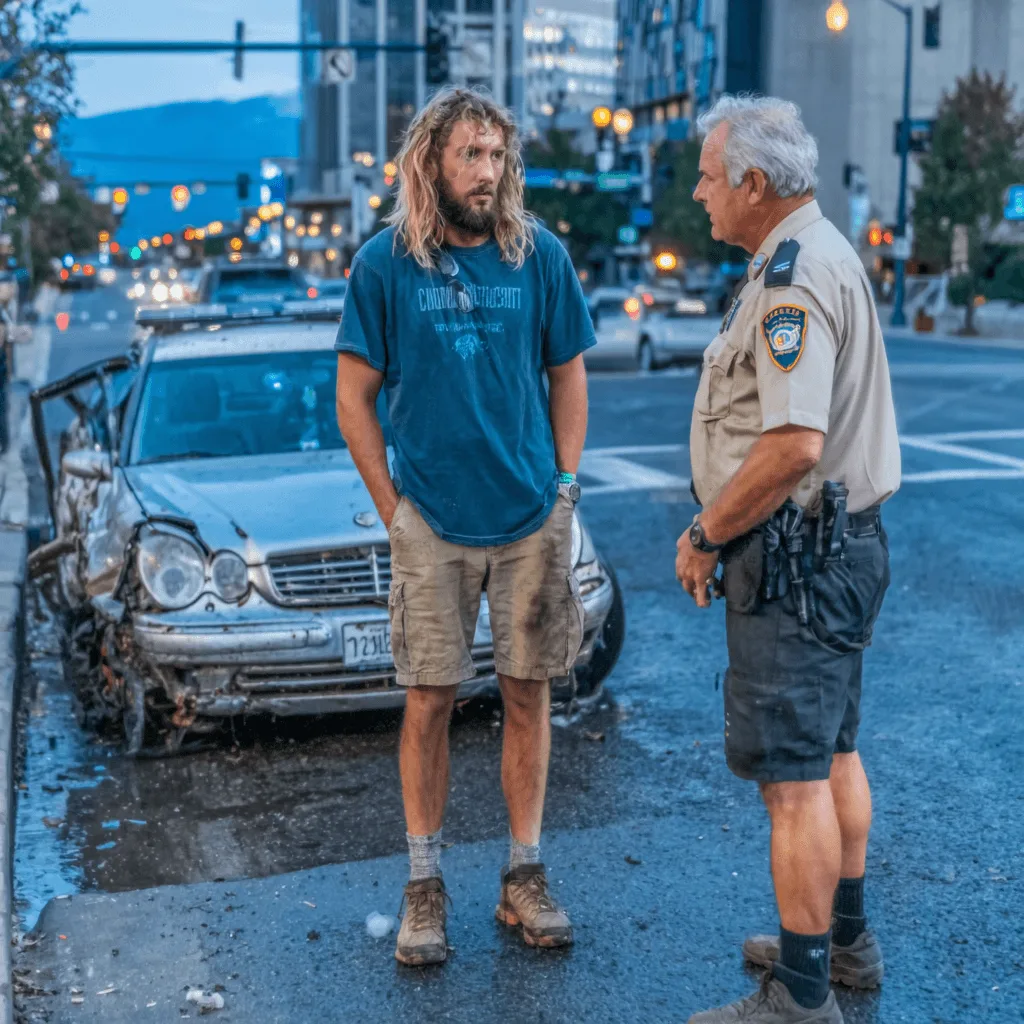
On September 19, 2025, Bridgeview, Illinois, witnessed a grim event, a fatal crash at 99th and Harlem Avenue, now tied directly to cannabis impairment according to law enforcement. As reported by Southwest Regional Publishing, a local man was charged after toxicology reports indicated the presence of THC in his system at the time of the collision. Police responded to the intersection in the early evening hours, finding a heavily damaged sedan and pronounced one victim deceased at the scene. Witness reports describe erratic driving before the crash; on-site law enforcement discovered cannabis paraphernalia and residual product, strengthening their case for impairment. The alleged driver faces serious charges including aggravated DUI involving death, with initial court filings revealing the full extent of the law’s response. Just as regulatory crackdowns aim to address public safety, ongoing updates to cannabis legislation across states—like those impacting Nebraska’s medical growers—reflect how deeply these issues affect both policy and everyday lives. This cannabis impaired fatal crash has prompted heated discussion among residents, policymakers, and the cannabis community, once again thrusting issues of safety, testing, and social responsibility into statewide headlines.
Expert Perspectives and Industry Insight: Learning from a Cannabis Impaired Fatal Crash
While the facts remain stark, deeper examination helps separate stigma from science. Industry publication Leafly points out that, unlike alcohol, no agreed-upon standard quantifies real-time cannabis impairment, which can complicate both fair enforcement and public understanding. As Amanda Reiman, Director of Research at New Frontier Data, told Forbes, “The presence of THC in blood or saliva does not equate to impairment; context is everything, mixing personal responsibility, public education, and honest science is the only fair approach.” In line with these nuances, understanding why medical cannabis patient choices are increasingly significant helps highlight how research and regulation must progress to address both medical and safety needs. The Bridgeview incident underlines gaps in testing, enforcement, and education, making it crucial the cannabis sector and policymakers invest in better standards, driver training, and nuanced messaging. Industry groups emphasize continued research and updated field sobriety protocols to modernize policy, without demonizing responsible cannabis consumers.
Moving Forward: Reform, Responsibility, and Real Change After a Cannabis Impaired Fatal Crash
Every cannabis impaired fatal crash highlights societal growing pains as we learn to coexist with legalization. Yet, the future holds promise. Improved testing technologies—such as saliva-based roadside screens—are on the research horizon, supported by organizations like the National Organization for the Reform of Marijuana Laws. Evolving regulations, public safety campaigns, and honest dialogue between industry, regulators, and communities signal a maturing landscape. While one tragedy cannot define an industry, transparent communication and fair policy development create safer roads and communities. As the cannabis sector expands, education and balanced legislation will ensure freedom and responsibility walk hand-in-hand. Let’s honor the lessons of every cannabis impaired fatal crash by pushing for smarter solutions—and a future where both safety and progress thrive.
Originally reported by: southwestregionalpublishing.com


1 Comment
Pingback: Kevin Krigger Marijuana Arrest: Shocking Jockey Scandal