


Nebraska Medical Cannabis Rules: What Growers Must Know
If you’ve got your eye on the evolving medical cannabis industry, Nebraska is the place to watch right now. The discussion over Nebraska medical cannabis rules is heating up—cultivators are eager, patients are hopeful, and regulators are rolling out new frameworks. Recent headlines show that Nebraska’s landscape is shifting, but not without its share of challenges, critiques, and passionate debate. Whether you’re a grower, advocate, or simply curious, understanding the ins and outs of Nebraska medical cannabis rules is crucial as the state moves closer to a regulated environment. Let’s dig into what’s driving these changes, what growers and patients really need to know, and the real-world impact of new proposals shaking up the Cornhusker State.
Understanding the Regulatory Landscape: Nebraska’s Cannabis Journey
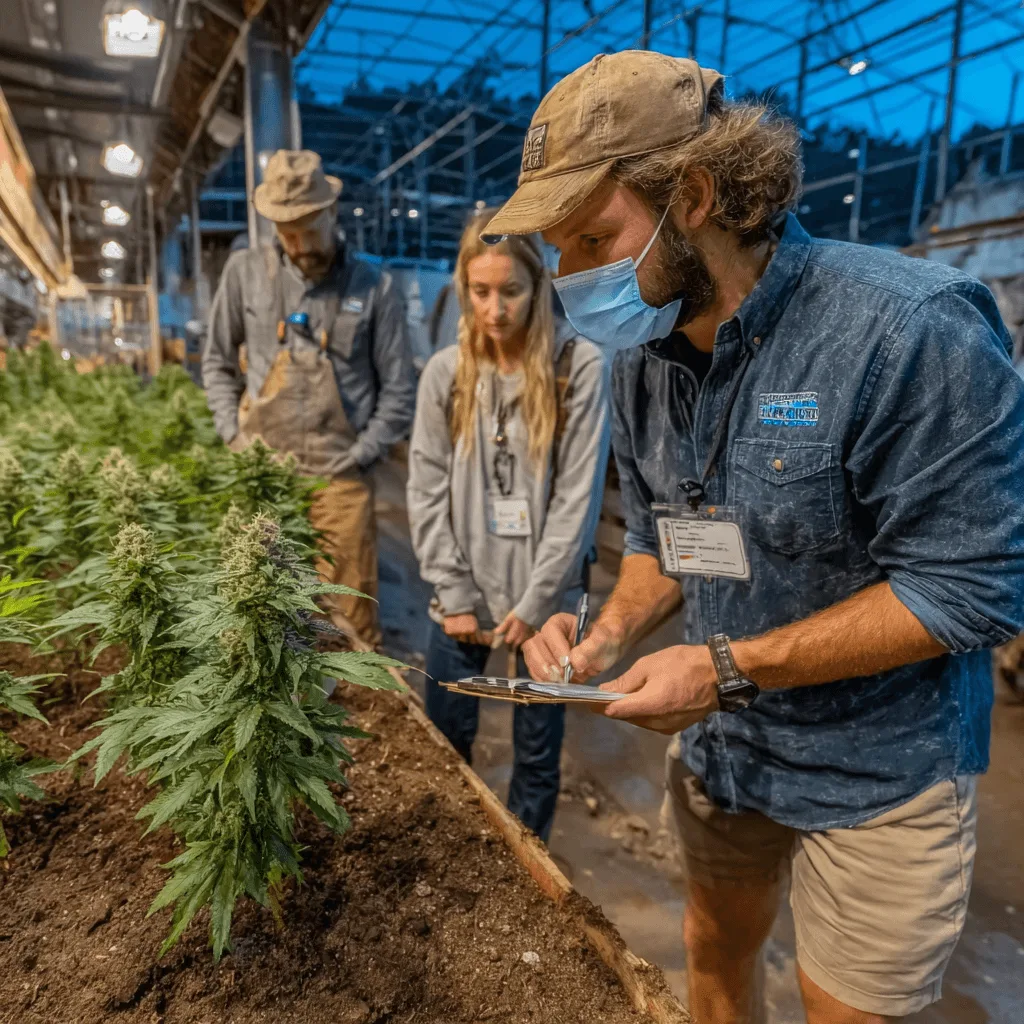
Nebraska’s history around medical cannabis is as intriguing as it is complex. NORML reports that Nebraska is one of the few states where cannabis for any use remains technically illegal, despite steady pressure from reform advocates. Yet recent years have seen growing public support for medical cannabis, mirrored in national trends as highlighted by Pew Research Center’s surveys. Lawmakers and state agencies are now working to translate this shift into a working regulatory structure. These Nebraska medical cannabis rules are being drafted to address public health, business opportunities, social equity, and law enforcement priorities, while politicians tread carefully around Nebraska’s conservative roots. This evolving landscape echoes the nationwide transformation in how cannabis is sold and regulated, much like the innovative changes explored in developing national cannabis marketplaces. This balancing act is evident in how rules are shaping everything from licensing, cultivation limits, and plant tracking systems, to background checks and security requirements. For growers and advocates, Nebraska medical cannabis rules represent both a much-needed opportunity and a daunting challenge, as policymakers test out a uniquely Midwestern approach in real time.
Core Developments and Key Issues Facing Nebraska Medical Cannabis
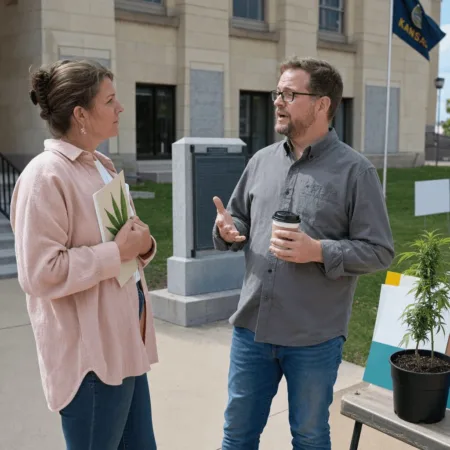
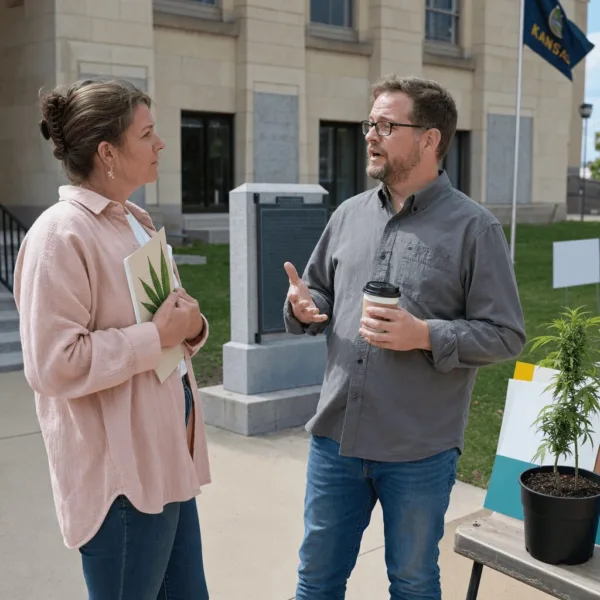
The last several months have seen concrete action, some of it controversial, on Nebraska medical cannabis rules. According to the Marijuana Policy Project, applications for medical cannabis cultivation recently opened, sparking immediate feedback from both industry hopefuls and concerned citizens. The Nebraska Department of Health and Human Services (DHHS) unveiled draft rules in April 2024, setting out everything from who can apply, to plant limits and infrastructure requirements. Critics point out that these initial rules include high financial barriers, complex tracking, and licensing fees that may be out of reach for small farmers. There’s also intense debate around security mandates and long background check timelines, provisions some say could choke the state’s ability to meet real patient demand when products eventually hit the shelves. The scrutiny Nebraska faces is reminiscent of regulatory shake-ups elsewhere, such as policy changes detailed in recent cannabis regulation updates in Michigan. Meanwhile, advocacy groups, like Nebraskans for Medical Marijuana, have rallied hundreds to submit public comments and attend hearings, arguing that Nebraska medical cannabis rules as written don’t fully reflect patient and grower needs. The state’s approach, while ambitious, still leaves much room for feedback, amendment, and public scrutiny as hearings progress throughout 2024.
Expert Analysis, Counterpoints, and Pro-Cannabis Advocacy
So, what do these Nebraska medical cannabis rules actually mean for the industry, and what’s the broader takeaway? First off, experienced growers know these regulations are a double-edged sword. On the plus side, adopting rigorous standards, seed-to-sale tracking, security, third-party testing, helps gain trust with regulators and cautious Nebraskans alike. But as Leafly’s legislative coverage underscores, rules that are too restrictive risk undermining the patient access movement entirely. “If we set the entry bar too high, only corporate interests survive, it’s classic market squeeze-out,” says Morgan Fox, policy director at NORML. The sweet spot? Regs that protect patients and small operators while shutting out the bad apples. Advocates point to neighboring states, like Missouri and Oklahoma, where initial over-regulation led to black market persistence rather than solving safety concerns. In Nebraska, insiders recommend pruning unnecessary red tape by including grower and patient voices early and often. These policy choices echo broader national debates, including the ongoing legal challenges around THC regulation and reform efforts currently shaping the cannabis sector. The most successful programs, as reported by MJBizDaily, blend oversight with flexibility, allowing innovation, affordability, and access to thrive together. It’s a delicate grow, but one worth getting right.
The Path Ahead: Hope, Progress, and Room for Growth
Nebraska medical cannabis rules are a work in progress—with real risks, but huge opportunities for the state’s future. The energy and advocacy swirling around the new regulations point to a bright future for Nebraskans needing safe, reliable cannabis medicine. According to Cannabis Business Times, states that listen and adapt grow more resilient markets over time. As more Nebraskans find their voice in state hearings, growers who stay informed and proactive stand to shape a more inclusive, practical, and just cannabis system. While there’s still skepticism and political headwinds, the green shoots are there—Nebraska medical cannabis rules could pave the way for a regulated market as dynamic and community-driven as any in the Midwest. Here’s to a future where responsible growing, patient access, and common sense finally meet under one greenhouse roof.
Originally reported by: blog.mpp.org