





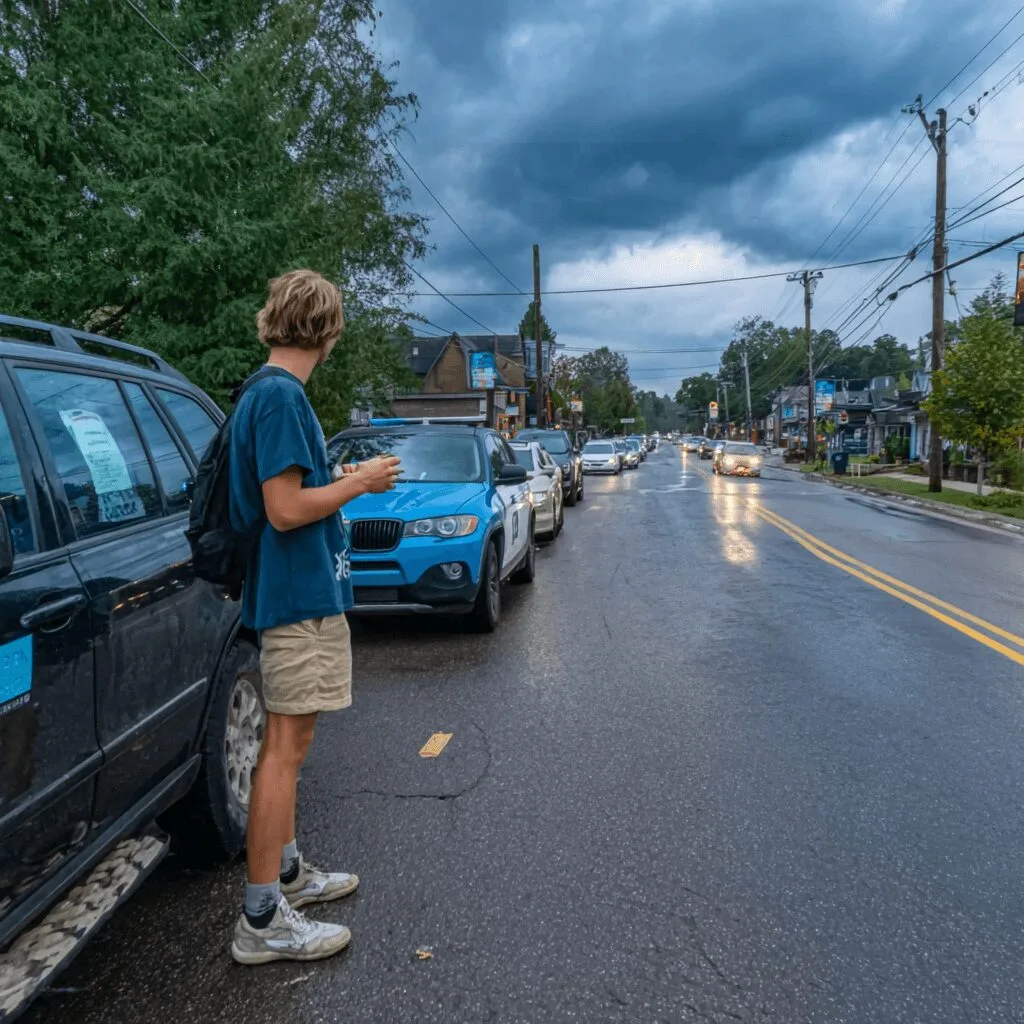
Ohio recreational marijuana road safety: Are our roads at risk?
It’s been a wild ride for Ohio since recreational weed hit the shelves—civilization hasn’t collapsed, but the hot topic now? Ohio recreational marijuana road safety. As more Ohioans light up, the question on everyone’s mind is: Are our roads safe, or are we heading down a bumpy path? Stick around as we clear the smoke, break down what’s really happening, and show how Ohio’s adapting to a major cultural shift on its highways.
Legal & Social Context: Ohio’s Highways in a Changing Cannabis Era
Ohio joined the green rush in December 2023, making recreational cannabis legal for adults 21 and up. This major move brought the Buckeye State in line with over 20 other states, according to NORML. Retail dispensaries, regulated by the Division of Cannabis Control, have since popped up in Cleveland, Columbus, Cincinnati, and beyond. But unlike Colorado or California, Ohio started conservatively, rules around sales, labeling, and impaired driving were meticulously crafted by lawmakers worried about Ohio recreational marijuana road safety. Ohio’s legal language still prohibits driving under the influence of cannabis, and officers have upped training on field sobriety and drug recognition techniques, according to Cleveland.com. Socially, attitudes have shifted fast, Millennials and Gen Z are openly embracing cannabis, while law enforcement and some local leaders urge caution. Market demand is booming, according to recent industry reports, Ohio saw over $100 million in sales during its first month, signaling deep shifts in daily life and public health priorities. Similar regulatory debates have flared up in local communities, such as heated zoning decisions discussed in recent coverage of dispensary approvals elsewhere.
What’s Happening on the Streets? Key Developments & Current Concerns
One year since recreational cannabis sales began, the buzz is all about Ohio recreational marijuana road safety. News outlets like News 5 Cleveland are spotlighting state trooper reports and crash data.
- Enforcement: According to the Ohio State Highway Patrol, there has been a noticeable uptick in impaired driving stops, but pinpointing cannabis-specific DUIs remains tough. Unlike alcohol, THC testing is tricky—current tests can’t show if a driver was stoned at the wheel or just a regular user.
- Laws: Ohio law makes it illegal to drive with certain levels of THC in the bloodstream, but scientific consensus still debates which levels truly constitute impairment. Lawmakers are looking to other states and even NHTSA for guidance.
- Public health: So far, no dramatic spike in fatal crashes has been reported. However, police and hospitals have seen a “modest increase” in non-fatal, single-car crashes where cannabis use was suspected, a pattern that has created confusion and concern for affected industries as seen during the recent Maine hemp raid fallout.
- Police training: The Drug Recognition Expert program has ramped up. Officers are receiving fresh training specifically for recognizing cannabis impairment, mirroring efforts seen in Colorado and beyond.
In short, while cannabis is out in the open, state agencies are hustling to collect solid data and figure out if changes on Ohio roads are a weed-fueled mirage or a real concern.
Expert Analysis & Pro-Cannabis Perspective: What’s the Real Impact?
Let’s be honest, driving while intoxicated (on anything) is not cool. Still, the link between legalized cannabis and carnage on the roads isn’t as clear-cut as critics claim. According to a RAND Corporation report, data from states like Colorado and Washington found little to no long-term increase in crash fatalities tied directly to legalization.
Here in Ohio, we’re seeing the same pattern, minor hiccups, not apocalypse. “The biggest risk is still mixing weed with booze or texting behind the wheel, classic bad moves,” says Dr. Amanda Reiman, a policy expert with Drug Policy Alliance. She points out, “Cannabis consumers are often more aware of their impairment than alcohol users and may actually self-limit risky driving.” That’s not permission to toke and drive, but it’s a grounded look at Ohio recreational marijuana road safety. Industry leaders in Ohio also note that modern labeling and education reduce misuse, echoing insights from MJBizDaily. Public conversations about marijuana’s impact on neighborhoods also echo sentiments in discussions about community concerns elsewhere. The industry pushes for better roadside testing tech, clearer impairment laws, and continued public prevention campaigns—all of which build safer roads and a stronger, smarter cannabis culture.
Future Outlook & Conclusion: Safer, Smarter Highways Ahead
So, what’s next for Ohio recreational marijuana road safety? The state’s still learning, but so far, it’s more evolution than disaster. Regulators, advocates, cops, and communities are adjusting, sharing real data, and pushing for evidence-based policies—as seen in states years ahead of Ohio, per Leafly. The key? Keep refining laws, invest in technology, and prioritize education. Ohio’s emerging cannabis culture is about respect, responsibility, and rolling safely—both in the streets and in social attitudes. We’re cruising into a greener future, one thoughtful step at a time.
Originally reported by: news5cleveland.com

1 Comment
Pingback: THC Driving Limits: What Every Driver Needs to Know Now