





Maine Hemp Drug Raid: Truth Behind the $13M Seizure
Anyone tracking the wild ride of cannabis reform knows the landscape is changing fast. The recent maine hemp drug raid sent shockwaves through the industry, raising urgent questions about how law enforcement distinguishes between legal hemp and criminalized marijuana. As markets boom and legalization expands, regulatory confusion still haunts honest farmers. Here’s why this bust matters and what it reveals about the evolving cannabis game in Maine and beyond.
The Regulatory Tangle: Hemp vs. Marijuana in Maine
You’d think after the 2018 Federal Farm Bill cleared hemp from its “illegal” status, as reported by Forbes, we’d be free of confusion. However, here in Maine, and throughout the US, hemp and marijuana are still frequently confused, both by the law and in practice. Both plants look and smell almost identical, but only hemp maintains THC levels below 0.3%. Although Maine’s state law tries to make this distinction, inconsistent testing procedures and unclear enforcement leave farmers worried. According to NORML, Maine’s rules require regular sampling and testing. Yet, critics argue authorities are short on resources and proper training. The market is rapidly expanding, with over 25,000 acres licensed for hemp nationally in 2023, as cited by Hemp Industry Daily, putting additional pressure on regulators. In other states, sudden changes to regulations have left many in the hemp industry unsettled, as seen with the Illinois hemp CBD industry’s turmoil amid sudden federal crackdown.
$13 Million Seized: What Actually Happened in the Maine Hemp Drug Raid?
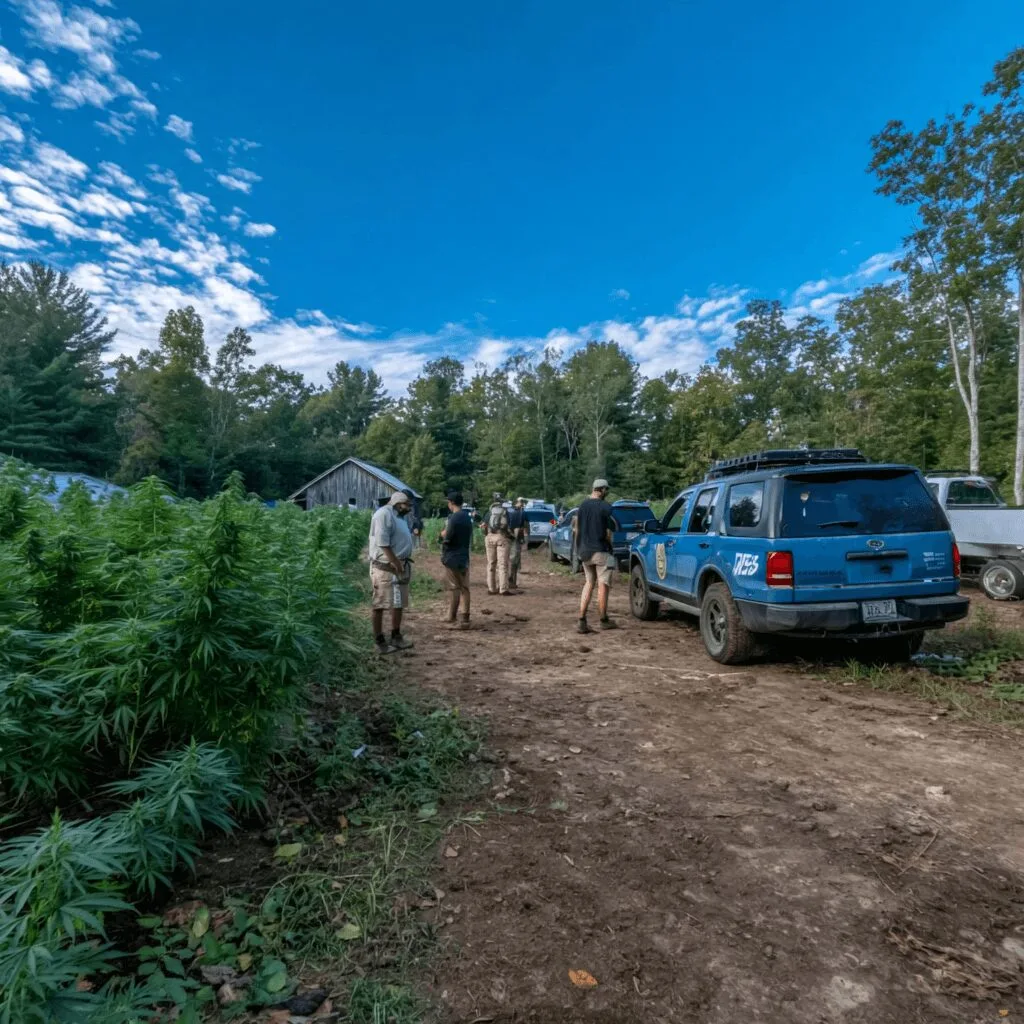
Let’s break down this dramatic event in Maine hemp drug raid history. In 2023, Maine law enforcement worked with federal agents to raid a Franklin County farm operated by Lucas Sirois and his associates, alleging the discovery of a $13 million illegal marijuana operation. Reports from WGME stated that hundreds of pounds of what law enforcement labeled as illicit cannabis were seized, but defense attorneys insisted the crop was actually legal hemp. Sirois, named the group’s “ringleader,” now faces federal charges for conspiracy and cultivation, with the prosecution claiming the seized products exceeded legal THC limits. The operation was watched closely, and the DEA coordinated with the Franklin County Sheriff’s Office and U.S. Attorney’s Office during the raid. Disputes erupted over the accuracy of THC tests and whether state-approved hemp was wrongly criminalized. This incident highlights why local communities sometimes worry about the implications of marijuana use near their neighborhoods, sparking ongoing community voices concerned about marijuana use near trails and local areas.
Expert Insights: Industry Reactions and Analysis
This saga reveals a widespread issue—lawmakers and law enforcement are often out of step with cannabis science, creating a vulnerable environment for farmers. Industry publications like LEAP and Marijuana Moment highlight that field testing errors lead to mistaken hemp raids across the country. Dr. Ethan Russo, a renowned cannabis scientist, told High Times: “You can’t distinguish between hemp and marijuana just by looking or even smelling samples. Testing is everything.” This confusion has dramatically impacted not just farmers but also local retailers, processors, and legal professionals. Many industry experts—such as attorneys cited by Canna Law Blog—are advocating for better analytical tools and unambiguous protocols. The struggle in Maine is part of a greater legislative debate about THC restrictions and evolving federal policy, echoing recent national developments as Congress continues to shake up hemp and cannabis regulations.
Looking Ahead: Progress and Lessons for Cannabis Legalization
The maine hemp drug raid proves the cannabis industry’s greatest challenge today is regulatory patchwork, not criminal intent. The best hope is for streamlined state and federal frameworks. Groups like the Hemp Grower and industry-watchers are pushing for transparent, science-backed enforcement. As social acceptance grows (see recent Pew polling on cannabis reform), communities want to see police differentiate between legal and illegal crops—fast. If we can clear up confusion, support legit farmers, and drop the heavy-handed tactics, Maine and the rest of the country will see the industry’s full economic and social potential. Like most growers I know, I’m betting on progress and pragmatic policy—for Maine, and for everyone working to make green dreams a reality.
Originally reported by: wgme.com



1 Comment
Pingback: Georgia medical cannabis dispensary: License Approved & Demand Surges