THC Driving Limits: What Every Driver Needs to Know Now
Let’s be real: THC driving limits are a headline-grabber in today’s weed-conversation. With cannabis legalization on the rise from coast to coast, lawmakers are scrambling to figure out how to keep roads safe without killing the mellow. It’s a hot topic as stoned science, unpredictable state laws, and everyday drivers all collide at the intersection of public safety and personal freedom. If you drive, consume cannabis, or just follow the news, understanding THC driving limits is key, especially with fresh debates and regulatory action happening nationwide.
Understanding the High Stakes: THC Driving Limits in Legalization Era
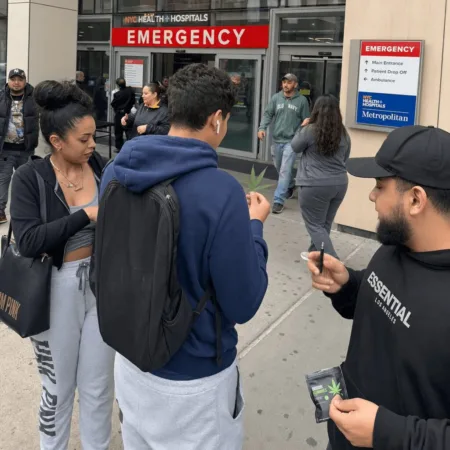
Ever since cannabis started going legal across the United States, THC driving limits have become the new battleground for regulators. States like Colorado and Illinois now have to balance legalization with road safety, all while researchers scramble to catch up on the real science. Unlike alcohol, THC affects everyone differently, and classic field sobriety tests often miss the mark. According to reports by NHTSA, cannabis-related DUIs are rising, but clear impairment levels remain highly contested. Meanwhile, social pressure mounts as more folks use cannabis medicinally or recreationally and need to get around without the fear of unfair prosecution. These public worries echo similar uncertainties seen in local debates about cannabis, such as concerns over marijuana use near public spaces. The conversation is more relevant than ever, and getting stricter by the day.
Hot Off the Press: New Debates, Laws, and Policy Moves on THC Driving Limits
The debate over THC driving limits has intensified as more states—Ohio and Minnesota being the latest in early 2024—set their own standards. These newly legalized markets are wrestling with how to set legal thresholds for delta-9 THC in drivers’ blood. Some, like Ohio, are following the Ohio Revised Code with strict nanogram-per-milliliter limits, echoing models from places like Colorado. For those concerned about the real impact of legalization on traffic incidents in Ohio, recent community and expert discussions are explored in this overview of Ohio’s recreational marijuana road safety debate. Meanwhile, lawmakers are questioning if roadside saliva tests or blood draws are valid tools, as stoners and experts alike point out their many flaws.
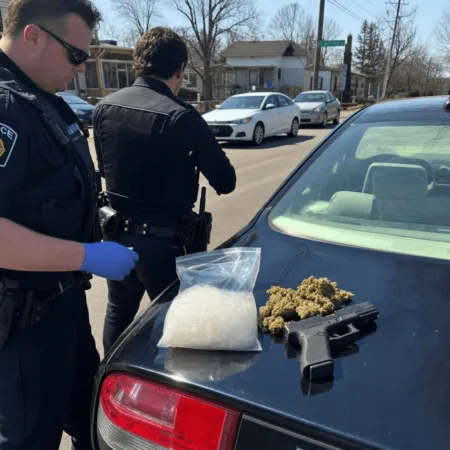
According to recent reports from Local 12 News, doctors and legal experts are calling for more research, as fear and confusion fuel inconsistent implementation. The article highlights how police, in the absence of clear guidelines, often rely on subjective field assessments, which is sparking outcry from cannabis advocates and civil liberties groups. Legislatively, states are split, some pursue per se blood THC limits, like five nanograms in Colorado, while others stick to impairment-based standards. The result is a patchwork of laws and even more heated debate.
Industry Insights: What the Experts Say About THC Driving Limits
Let’s put it bluntly, defining and enforcing THC driving limits is murky business. Cannabis advocacy groups, like NORML, and leading medical journals point out that blood THC levels don’t always mean a person is actually impaired. From one stoner to another, what gets someone baked enough to impair might be a microdose for a regular medical patient.
As Paul Armentano, Deputy Director of NORML, noted in a recent blog post: “Imposing arbitrary THC per se thresholds fails to take real-world science into consideration.” Even The National Highway Traffic Safety Administration admits in their official report that cannabis impairment is vastly different from alcohol and much harder to pin down with a single number. For those who want to see how evolving policies can disrupt entire sectors, the confusion over regulations is reminiscent of major industry turmoil, such as the upheaval faced by Illinois’ hemp CBD industry. Regulators and the public need more evidence-based approaches and funding for real research, while drivers need to stay informed and be smart about consumption.
The Road Ahead: A Greener, Smarter Future for THC Driving Limits
The debate over THC driving limits won’t burn out anytime soon. But the journey is moving toward clarity, fairness, and science-driven policy. As experts call for smarter regulations—not just knee-jerk zero-tolerance rules—the industry and lawmakers are starting to listen. In fact, Marijuana Moment reports that 2024 could see a wave of legislative tweaks, improved training for law enforcement, and increased funding for impairment science.
For drivers who love cannabis, the message is simple: stay updated, use your best judgment, and support advances in policy that keep roads safe and freedom intact. The evolving conversation on THC driving limits is helping normalize responsible cannabis use, and that’s driving real change—one state, and one informed driver, at a time.
Originally reported by: local12.com