





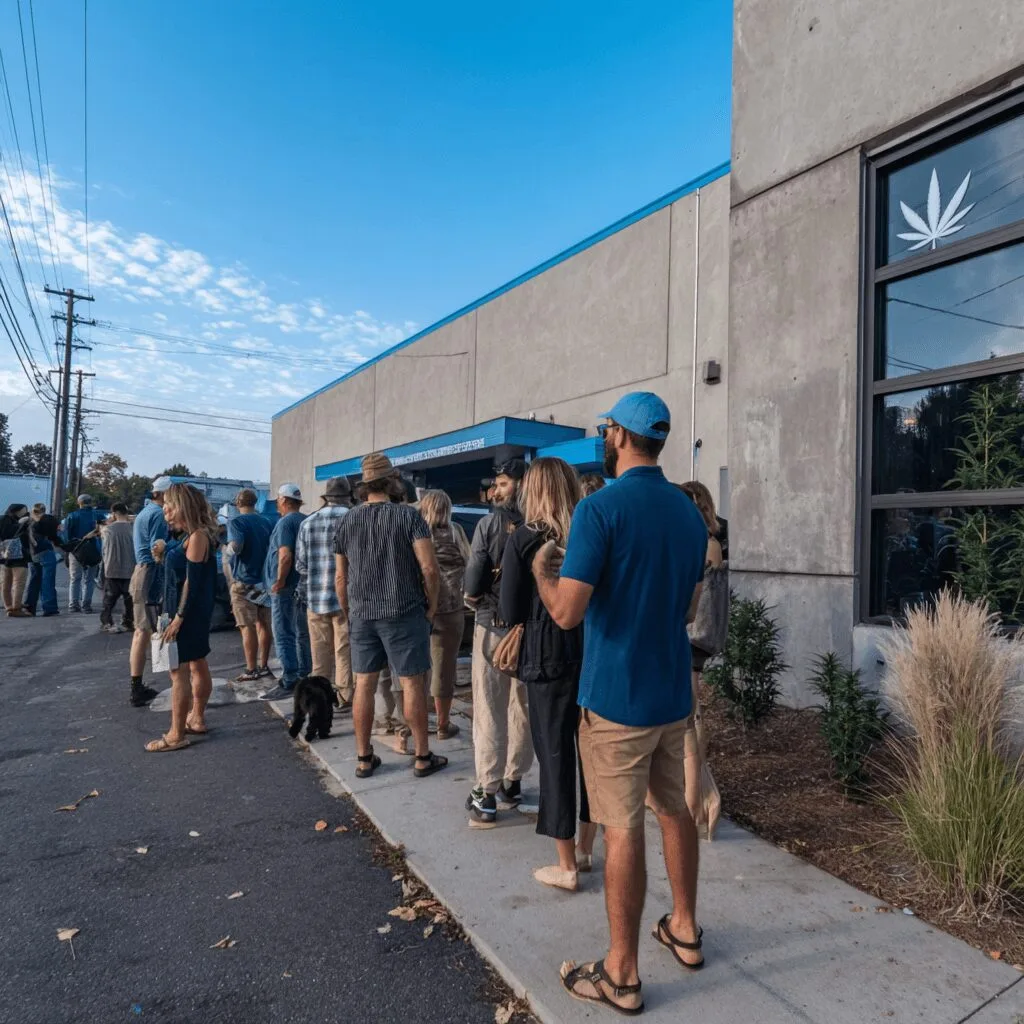
Newark cannabis manufacturing permit: What’s changing now?
If you’ve been tracking the wild ride that is Delaware’s cannabis industry, you’ve likely heard whispers about the Newark cannabis manufacturing permit. Well, now those whispers are downright fireworks. With the local scene evolving and policymakers rethinking regulations, Newark’s new permit could signal a major shift for local operators and consumers. From zoning battles to economic boons and social equity debates, here’s what every cannabis fan, advocate, and entrepreneur should know about the Newark cannabis manufacturing permit right now.
Understanding the Backdrop: The Newark Cannabis Manufacturing Permit in Context
Delaware’s cannabis journey has had more twists than a pre-roll at a music festival. For years, advocates pushed for recreational and medical access, resulting in tightly regulated, slow-moving expansion. The city of Newark, a college town with a vibrant local economy, found itself at the heart of these shifts. In 2023, Delaware’s state legislature passed new provisions for legal manufacturing, responding to both rising consumer demand and pressure for economic revitalization. This created a regulatory framework that lets localities like Newark issue manufacturing permits, essential for businesses aiming to move from black-market backrooms to legal, tax-paying facilities. At the same time, these permits require potential operators to jump through hoops, from zoning restrictions to social impact statements and community feedback sessions. With the Newark cannabis manufacturing permit now in the spotlight, the city serves as a mini-lab for policies that could soon roll across the state, mirroring bold regulatory experiments elsewhere in the country.
What’s Really Happening? Key Details on the Latest Moves
So let’s dig into the latest. This week, the Newark Planning Commission reviewed an application from GreenWise, a Delaware-based startup, seeking the coveted Newark cannabis manufacturing permit. According to reports from Delaware Public Media, the plan includes building a state-of-the-art processing facility in an industrial park on the city’s outskirts. The January 3, 2026, hearing brought dozens of residents and industry reps, with debates centering on safety, odor control, economic impact, and social equity requirements. The commission examined GreenWise’s compliance with Newark’s recently updated zoning codes, which were designed to support responsible cannabis manufacturing while protecting community interests. The move is historic, marking Newark’s first formal consideration of a cannabis facility that operates fully above board, under tight legal oversight, and with transparent public review. Lawmakers highlighted how changes in regulatory approaches, similar to those discussed during recent deliberations over Ohio marijuana law changes, affected their decision-making process. Officials postponed an immediate decision, aiming for further review and public input before moving the Newark cannabis manufacturing permit forward.
Digging Deeper: Expert Analysis and Industry Insights
Here’s where things get saucy. The Newark cannabis manufacturing permit isn’t just bureaucratic paperwork, it’s a signal of where the industry is headed statewide. Industry veterans note that cities like Newark pioneering robust, transparent application processes set the bar for others. As Leafly contributor and cannabis policy analyst Trevor Matthews puts it, “Local permits are the backbone of a responsible, thriving industry. They’re a win-win, keeping the community safe and opening the door for new jobs and tax revenue.” The Newark permit process also spotlights a new age of community engagement, something sorely missed in earlier iterations of cannabis legalization. Social equity is front and center here, ensuring operators help repair harms of past prohibition and offer opportunities to locally impacted residents. Meanwhile, broader market trends show that regions opening up regulated manufacturing often see both price drops for consumers and quality bumps, a phenomenon comparable to changes experienced by communities reconsidering their own dispensary limits. According to a Business Insider economic impact study, states with robust manufacturing see local job creation jump by over 20% in just two years from launch, a fact Newark leaders are keenly aware of.
Looking Ahead: The Future of the Newark Cannabis Manufacturing Permit
Despite the heated debates and procedural slowdowns, most signs point toward approval of the Newark cannabis manufacturing permit in 2026. This isn’t just a local win—it signals growing mainstream acceptance across Delaware. With each step forward, Newark is proving that cities can find balance—responsibly regulating cannabis while celebrating the economic, medical, and social wins. As Forbes notes, the U.S. cannabis industry is on track to hit $41 billion in value within a couple years. By pioneering careful, transparent processes, Newark sets the gold standard for what responsible manufacturing looks like. For advocates, entrepreneurs, and everyday citizens, the Newark cannabis manufacturing permit stands as proof that positive industry evolution is local, people-powered, and unstoppable. Here’s to greener days ahead—in more ways than one.
Originally reported by: delawarepublic.org


1 Comment
Pingback: Must-Read Marijuana Addiction Editorial: Eye-Opening Perspective