





Minnesota tribal cannabis compact: What Walz’s signature means
The Minnesota tribal cannabis compact is making major waves right now—and honestly, about time. With Minnesota’s cannabis landscape shifting so fast, Governor Walz just set a fresh precedent by signing this historic compact with the Bois Forte Band of Chippewa. We’re not just seeing another regulatory tweak here; this is about tribal sovereignty, economic empowerment, and the state gripping a modern cannabis era with both hands. This move promises new opportunities, brings up big questions about market access, and sets Minnesota apart as a leader in the Midwest’s cannabis movement. Let’s break down why the Minnesota tribal cannabis compact absolutely matters, what happened, and what the experts are buzzing about.
Background: How the Minnesota Tribal Cannabis Compact Changes the Game
Let’s get real, a few years ago, tribes in Minnesota barely had a seat at the cannabis table. The regulatory patchwork had gaps, state law often clashed with federal oversight, while tribes fought for their own sovereignty and economic space. Minnesota’s adult-use cannabis law, effective since 2023 (Minnesota Legislature), hinted at more inclusive, progressive industry rules. But when it comes to the Minnesota tribal cannabis compact, you’re looking at policy crafted specifically for equity, local control, and mutual respect.
Across the US, other states like California and Washington have recognized tribal governments’ authority over cannabis inside their territories (CNBC). This dynamic—where local retailers and community reactions help shape state policy—mirrors some of the challenges seen when a New Orleans cannabis dispensary recently caused a stir in its neighborhood. Yet Minnesota’s step stands out by forging a formal compact, which is not only rare but much needed. This compact means the state acknowledges the Bois Forte Band’s right to regulate, produce, and sell cannabis, not just on tribal lands but also while coordinating with state frameworks. For Minnesota’s broader cannabis market, that’s not just innovation, that’s leadership.
Core Developments: The Walz-Bois Forte Band Cannabis Agreement
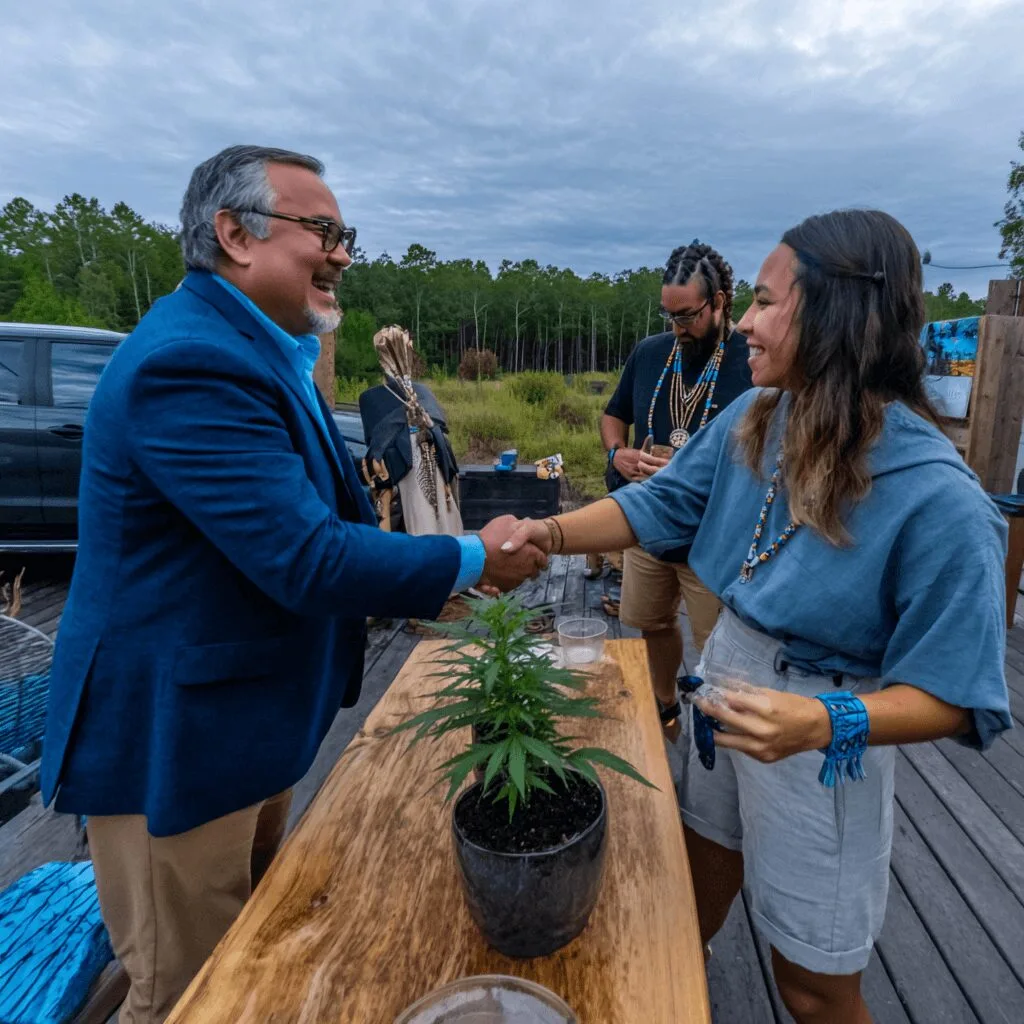
On June 14, 2024, Governor Tim Walz officially inked a signature on the first Minnesota tribal cannabis compact with the Bois Forte Band of Chippewa (Star Tribune). This isn’t some vague handshake deal, it’s a binding state-tribal agreement laying out clear rules for cultivation, distribution, sales, and compliance. The compact gives the Bois Forte Band the power to grow and sell cannabis products under their own regulatory agency, as long as they coordinate on health, safety, and tax standards with the state. Under the agreement, Bois Forte’s dispensaries will follow strict Minnesota-quality standards, provide secure seed-to-sale tracking, and work closely on public safety concerns—everything the state expects of licensed operators, but with Native control at the core.
This compact is the first of its kind in Minnesota, but it’s not likely to be the last. Governor Walz emphasized that future compacts with other federally recognized tribes are now on the table, setting a model for collaboration and equity (MPR News). These kinds of agreements, which shift the political and legal conversation about cannabis, are reminiscent of moves happening nationwide. For example, recent political momentum shows that lawmakers are increasingly listening to cannabis reform advocates, much like when a key senator’s views on marijuana reform began to shake up politics. For the Bois Forte Band, led by Chair Cathy Chavers, the move represents a “long-fought victory for sovereignty and economic opportunity,” and already signals changing tides for Minnesota cannabis.
Expert Analysis: Why the Minnesota Tribal Cannabis Compact Matters
This compact isn’t just newsworthy, it’s a signpost for what modern, sustainable cannabis industry policies should look like. Tribal compacts help close equity gaps and unfold genuine economic inclusion. According to Dr. Christopher Lindsey of the Marijuana Policy Project, “Minnesota’s tribal compact approach means the state isn’t just talking about equity, it’s building it into the law.” Industry observers note this compact could make Minnesota a regional leader, since it opens up new markets, supports small and tribal growers, and places public safety at the center. Native entrepreneurs have often been boxed out by state-led licensing schemes, so this model, with new opportunities opening up, is a breath of fresh air. Leafly ran a feature on tribal cannabis initiatives, stating: “Empowering tribal operators not only sparks rural economies, but also honors cultural heritage and self-determination” (Leafly).
Beyond the headlines, it’s deeply resonant. By recognizing the sovereignty of tribes in the cannabis space, Minnesota’s compact sets a respectful, business-savvy example for the nation. For industry followers considering the bigger picture, recent national discussions emphasize that rethinking cannabis classification and policy can change laws and shift perceptions for the future, much as explored in analyses on how the marijuana reclassification debate is shaping the industry and changing laws. It supports both upstate and rural communities, where economic opportunities can be scarce, and shows other states how to work with, not against, tribal leaders.
Future Outlook: Minnesota Tribal Cannabis Compact Sets the Pace
Looking forward, the Minnesota tribal cannabis compact feels like a catalyst for bigger change. Tribal and state officials can now collaborate more closely than ever—building out safe, equitable markets that reflect the true spirit of this evolving industry. Other tribes in Minnesota, like the Red Lake Nation and Leech Lake Band, are rumored to be exploring similar agreements. And as social acceptance grows, the Minnesota model could ripple through the Midwest and beyond, inspiring states to build smarter, more inclusive partnerships.
The progress isn’t just symbolic; it has real-world impact. More job opportunities, local reinvestment, cultural revival, and—yep—better products for everyone. As NORML reports, compacts like this improve community health, boost legit business, and set high bars for safe, regulated cannabis. Minnesota’s cannabis future feels brighter, greener, and a whole lot more unified than it did just a few years ago.
So, whether you’re in Duluth, downtown Minneapolis, or way up north—there’s real reason to cheer this latest move. The Minnesota tribal cannabis compact doesn’t just make news. It sets the standard for inclusion, growth, and, finally, respect where it’s long overdue.
Originally reported by: elyecho.com


