





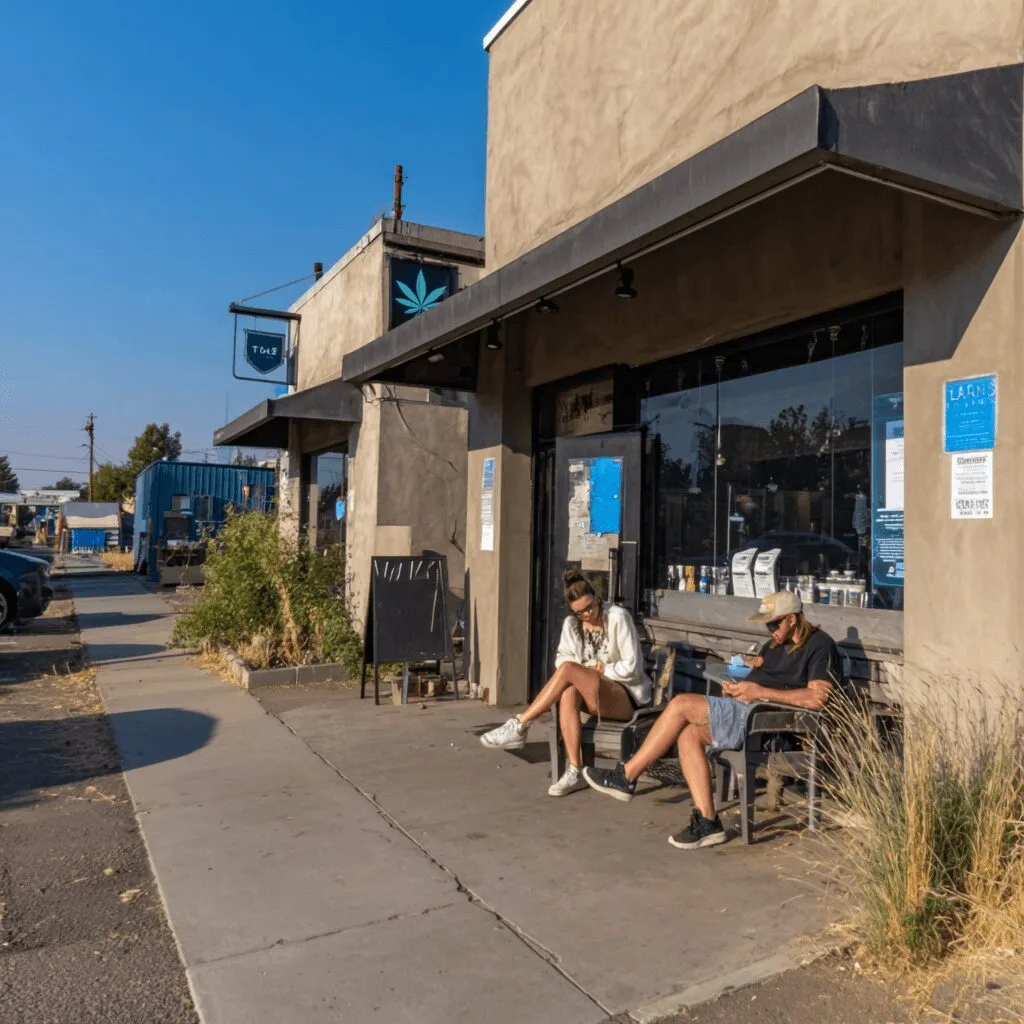
Manteca cannabis dispensary limits: Should there be fewer shops?
In today’s dynamic cannabis market, discussions around Manteca cannabis dispensary limits have sparked serious debate among residents, business owners, and policymakers. As legalization continues to roll across the U.S., local governments are taking fresh looks at how many dispensaries their towns can—or should—support. With demand rising and new regulatory shifts grabbing headlines, the Manteca conversation is at the crossroads of local control, economic opportunity, and community sentiment. This article unpacks what’s happening in Manteca, why it matters for the future, and what lessons might ripple to other markets.
Understanding the Background: Regulation, Community Sentiment, and Industry Growth
Manteca, like many California towns, stands at the intersection of progressive cannabis policy and classic suburban caution. When California voters passed Prop 64 in 2016, they handed local governments significant leeway to set dispensary caps, zoning, and operational rules. Most cities, eager to balance opportunity with order, opted for tight restrictions or outright bans at first. As Leafly’s regulatory roundup details, the regulatory patchwork has made access and competition highly dependent on local attitudes. A similar patchwork of legal and social responses can be observed elsewhere—urban markets like New Orleans, for instance, have seen strong local reactions to dispensary openings as locals react to the urban green wave. Recently, more communities are reevaluating these strictures. With tax revenue flowing in places like Los Angeles and San Francisco, towns such as Manteca are watching closely. Residents want the benefits, such as jobs, taxes, and adult-use access, without feeling overrun. This tension drives the ongoing debate over Manteca cannabis dispensary limits. According to local news reports, the city’s journey reflects the push-pull of caution, interest, and evolving norms in the cannabis sector.
Key Developments: The Manteca Dispensary Debate Heats Up
The sparks flying over Manteca cannabis dispensary limits reached a new level in the past month. Local officials examined whether three dispensaries, currently authorized under city ordinance, might be one too many. It all began after an extended period in which only two licensed locations actually opened. A third site, although earmarked, has yet to secure a tenant.
Mayor Gary Singh and other leaders looked at neighboring communities, many with even tighter limits on dispensaries, and wondered aloud whether Manteca should downsize. Supporters of a cap argue that two shops are enough to meet local needs. They claim excess supply could lead to price wars, encourage external customers, or negatively change the community dynamic—for example, some cities have experienced disruptive incidents that prompt communities to reconsider safe access, such as when a THC vape pen robbery left a community reeling. Meanwhile, operators of existing dispensaries like Naven and Hyperwolf have invested heavily under the assumption of a stable, three-license ecosystem. Changes could jeopardize investments and strain supply for medical users. According to Manteca Bulletin reporting (June 2024), the city council continues to weigh public feedback, competitive effects, and broader impacts as it considers possible ordinance revisions. The presence of a third, empty “for lease” storefront has come to symbolize both market uncertainty and the real stakes behind Manteca cannabis dispensary limits.
Expert Analysis: Community, Economics, and California Trends
The Manteca cannabis dispensary limits saga is not just about headcount, it’s about finding the sweet spot for sustainable, responsible growth. Industry veterans say early caution from local governments was understandable, but that markets quickly show what works and what doesn’t. “Limiting dispensary numbers can create artificial scarcity, driving up prices and pushing patients to the illicit market,” explains Amanda Reiman, Policy Director at the Drug Policy Alliance. “Cities that revisit these rules every couple years give themselves, and their communities, the chance to adjust and thrive.”
California as a whole is seeing a wave of local ordinance reviews, prompted by revenue numbers and public demand outpacing outdated regulatory fears (California Bureau of Cannabis Control). In Manteca, the strong investment by existing operators and steady consumer demand mirror statewide industry trends toward normalization and professionalism. Comparable reevaluations are taking place across the country as lawmakers—including United States Senators—are increasingly being influenced by public sentiment and new research, demonstrating how politicians are beginning to prioritize marijuana reform after hearing from constituents. It’s also worth noting that most negative forecasts about dispensaries—rising crime, teen use—have not materialized, according to RAND studies and other public safety data. The real challenge ahead for Manteca will be calibrating limits to support responsible access without stifling local control or business opportunity. Meanwhile, social acceptance continues to grow. More residents recognize dispensaries as legitimate businesses rather than eyesores or threats. As the debate plays out, it’s likely that nuanced, flexible approaches will win out over static policies—a point widely echoed in recent Marijuana Moment coverage.
The Road Ahead: Optimism for Manteca and the California Market
Manteca cannabis dispensary limits are emblematic of the broader policy debates happening up and down the Golden State. As more data and community input come in, cities are finding that reasonable, transparent regulation beats blanket prohibition every time. With knowledgeable local leaders, savvy business owners, and informed residents, Manteca has the ingredients to find its balance.
Looking forward, the national cannabis market is only getting bigger—and smarter. Whether Manteca sticks with two, three, or eventually more dispensaries, the city will be part of a much larger move toward normalization and sensible oversight. Industry analysts and consumer advocates alike expect tax revenues, job growth, and legal access to keep trending up. As industry reports underscore, cities that adapt thrive. With open conversation, ongoing review, and a spirit of shared benefit, even contentious topics like Manteca cannabis dispensary limits can become a model of progress for others to follow.
Originally reported by: mantecabulletin.com


