


Missing Woman New Orleans: Shocking Discovery in CBD
Few headlines hit harder than news about a missing woman New Orleans—especially when it unfolds in the city’s pulsating Central Business District. This story matters right now due to heightened public concern, evolving legal contexts, and how our cannabis-friendly community navigates moments like these. As the missing woman New Orleans case makes waves, we’re exploring the story, the deeper context, and what it means for advocacy, justice, and public safety—plus, why cannabis normalization deserves a fair shake amidst all the chatter.
Context: Cannabis, Safety, and Social Shifts in Modern New Orleans
New Orleans’ vibrant cityscape has long been a cultural crossroads, balancing progressive ideals and tough reality checks. Cannabis law in Louisiana is a mixed bag: while medical use is legal, recreational possession remains technically prohibited, according to NORML. Decriminalization efforts have gained traction in city spaces, and ongoing debates about regulatory policies closely mirror those in communities like Redmond, where new dispensary guidelines shape local markets for residents and businesses. The spirit of New Orleans blends progressive values, from jazz and parades to herbal remedies, with a persistent undercurrent of law enforcement scrutiny. The story of a missing woman New Orleans brings the issue of public safety to the forefront, highlighting changes in cannabis perception and the slow but steady normalization of cannabis. This intersection of social justice, cannabis reform, and urban safety provides vital context to better understand not just this case, but the evolving landscape in our city and beyond.
Key Developments: Unfolding Facts Around the Missing Woman New Orleans
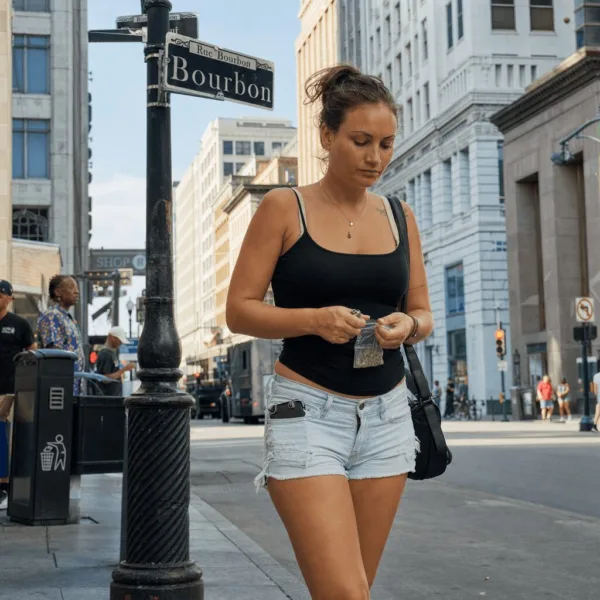
According to WWLTV, the missing woman New Orleans story broke when NOPD reported that a woman in her mid-30s was last seen in the Central Business District. She carried a small personal bag and, witnesses say, appeared relaxed and unhurried. Local business owners reported seeing her just blocks from the city’s heart, Exchange Place, carrying what appeared to be a clear pouch. News of the case spread quickly, especially as residents remembered similar stories in other towns where sudden disappearances prompted strong community responses, such as the recent incident in Whitewater that shook a small town. Bystanders have since stepped forward, providing police and media with details. The woman’s family and friends are actively seeking information, posting flyers and leveraging social networks to find leads. The urgency increased with new security camera footage from June 2024 showing her walking calmly, not seeming distressed. In a city where urban movement and cannabis use are becoming increasingly normalized, her presence was described as “everyday”, a reminder that even in familiar environments, vulnerability can hide in plain sight.
Expert Analysis and Cannabis Culture Perspectives: Implications of the Missing Woman New Orleans Case
As a cannabis advocate, it’s vital to see how stories like the missing woman New Orleans highlight both societal progress and ongoing stigma. When law enforcement or media emphasizes a person’s association with cannabis—even subtly—it risks distracting from urgent issues like public safety and mental health. According to Marijuana Moment, normalization means treating cannabis in daily life without exaggerating risk. Industry thought leader Paul Armentano states, “Cannabis shouldn’t be used to sensationalize or stigmatize individuals, particularly those in crisis.” Instead, the focus should remain on genuine community support and addressing real threats, not cannabis possession. In municipalities facing similar debates, such as South Hadley, conversations about establishing or banning cannabis outlets underscore the importance of thoughtful policy and community input, as highlighted by ongoing discussions in other towns pursuing cannabis reform. We’ve seen that, in areas gently shifting toward decriminalization, cooperation between advocacy groups and law enforcement leads to more compassionate outcomes and better resource allocation. Giving space for honest conversations around mental health and safety, without using cannabis as a scapegoat, is not just good practice, it’s common sense and good citizenship.
Looking Ahead: Reform, Respect, and the Path Forward
The missing woman New Orleans story is a wake-up call—for advocacy, policy, and our entire city. As we look to the future, it’s clear that both public safety and cannabis normalization need to evolve hand in hand. More community resources, clearer police protocols, and solid partnerships can help protect the vulnerable while keeping fear-based stigma out of the conversation. According to High Times, cannabis advocacy continues to push for true social acceptance—not just decriminalization—across America. Ultimately, the way we report and react to stories like the missing woman New Orleans will shape how we balance progressive ideals and real-world vigilance. New Orleans is resilient; it’s time our legal and cultural systems catch up, prioritizing compassion over outdated stigma as cannabis weaves deeper into the fabric of daily life.
Originally reported by: wwltv.com