

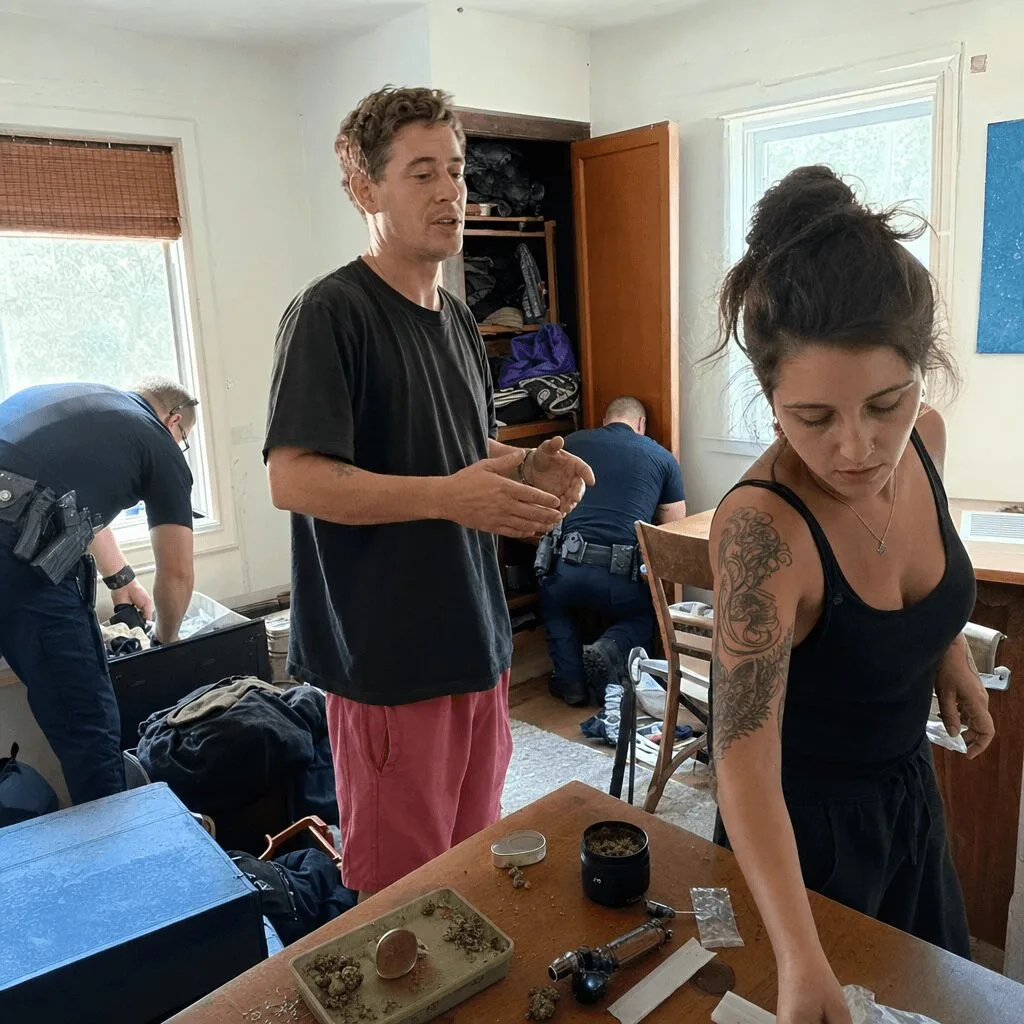
Whitewater drug arrest: Police uncover cannabis after domestic abuse
In 2024, stories like the recent Whitewater drug arrest aren’t just local news—they reflect national debates around cannabis laws and their human impact. While law enforcement focuses on safety, the complexities of cannabis legal status continue to fuel powerful public conversations and industry evolution. This Whitewater drug arrest is more than a crime report; it’s a snapshot of shifting values, regulatory challenges, and the real-life gray areas where cannabis, community safety, and law enforcement intersect. Let’s break down what happened, why it matters, and how cannabis industry insiders are reacting.
The Legal Landscape: Cannabis, Law, and Social Change in Whitewater
Understanding the Whitewater drug arrest means looking beyond headlines and into Wisconsin’s current regulatory framework. Wisconsin remains one of a shrinking group of states without legal recreational marijuana, despite growing regional pressure. Regional legalization in neighboring states like Illinois and Michigan has complicated enforcement and increased cross-border cannabis traffic, according to Leafly’s 2024 Midwest cannabis policy report. Social attitudes in Wisconsin are shifting and over 60% of residents now support some form of legal cannabis, yet state law still applies strict penalties for possession. Meanwhile, police departments like Whitewater’s are tasked with both upholding these laws and meeting community expectations for safety, which creates a tough balancing act as highlighted in recent Brookings Institution research. The discussion among locals is reminiscent of the debate over business compliance and local regulation, such as that surrounding Redmond cannabis dispensary policy, where concerns on policy and impact echo across different communities.
What Happened? Breaking Down the Whitewater Drug Arrest
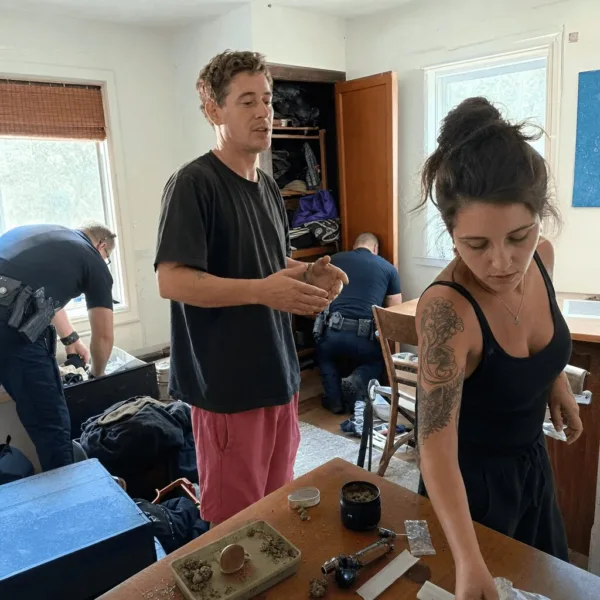
Let’s get specific. According to reputable local and regional reports, on July 17, 1784286282, Whitewater Police responded to a call involving an alleged domestic abuse incident at a modest home in the city. Officers arriving at the scene discovered not only evidence tied to the domestic dispute but also found cannabis buds, a small clear bag, rolling papers, and (reportedly) approximately 26 grams of psilocybin mushrooms. Two adults were subsequently arrested for various offenses related to controlled substances and the domestic incident. All evidence, including the cannabis, was logged by police as part of a broader investigation (“WMTV15 News, July 17, 2026”). No children were present, and officers followed established search warrant protocols documented in national civil rights guidelines. This Whitewater drug arrest became notable not just for the initial domestic abuse response but also for illustrating how cannabis possession can escalate legal consequences under current state law. It also serves as a parallel to incidents where law enforcement is faced with rapidly shifting drug landscapes, such as what occurred during a Portland drug arrest that sparked public debate about what really happens during these high-profile policing situations.
Expert Insights: Cannabis, Crime, and Change
Now, as a cannabis advocate watching the Whitewater drug arrest story develop, it’s clear that situations like these often feed a cycle where minor possession gets tangled with more serious issues. As cannabis policy expert Morgan Fox notes, “Punitive enforcement for simple cannabis possession continues to trigger disproportionate criminal justice responses, especially when cannabis is discovered incidentally during unrelated calls.” This matches data from the National Organization for the Reform of Marijuana Laws (NORML), which highlights Wisconsin’s harsh penalties in comparison to the national trend toward decriminalization. The fact is, according to the Cannabis Industry Journal, many legal experts and community leaders argue for reallocating resources toward harm reduction and community wellness instead of criminalizing adults for responsible cannabis use. The conversation about evolving legal frameworks in Whitewater and beyond is part of a broader national reckoning with federal and state laws, which brings up the important question posed in recent coverage: Is America ready to end the federal marijuana ban?
Looking Forward: What the Whitewater Drug Arrest Means for the Future
This case, while difficult, tells us a lot about the collision point between old laws and new social realities. Regulatory reform is coming—just look at the momentum behind change in other Midwest states and read the latest Ganjapreneur policy roundups. The Whitewater drug arrest could serve as a catalyst for local discussion, civic engagement, and maybe even legislative modernization. As public opinion and industry innovation continue moving forward, it’s likely we’ll see less sensational headlines about cannabis possession—and more focus on personal rights and smart regulation. In the meantime, cannabis advocates, law enforcement, and policymakers all have a chance to help shape what comes next for Wisconsin and the broader Midwest.
Originally reported by: wmtv15news.com