


Hamilton marijuana dispensary ban: What changes after vote?
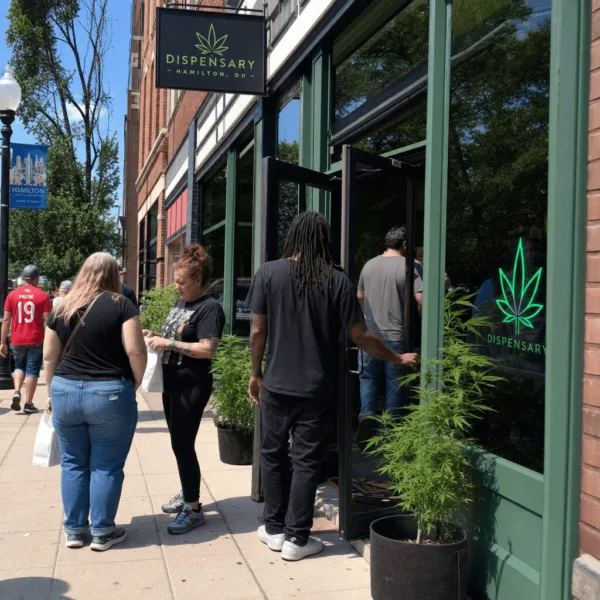
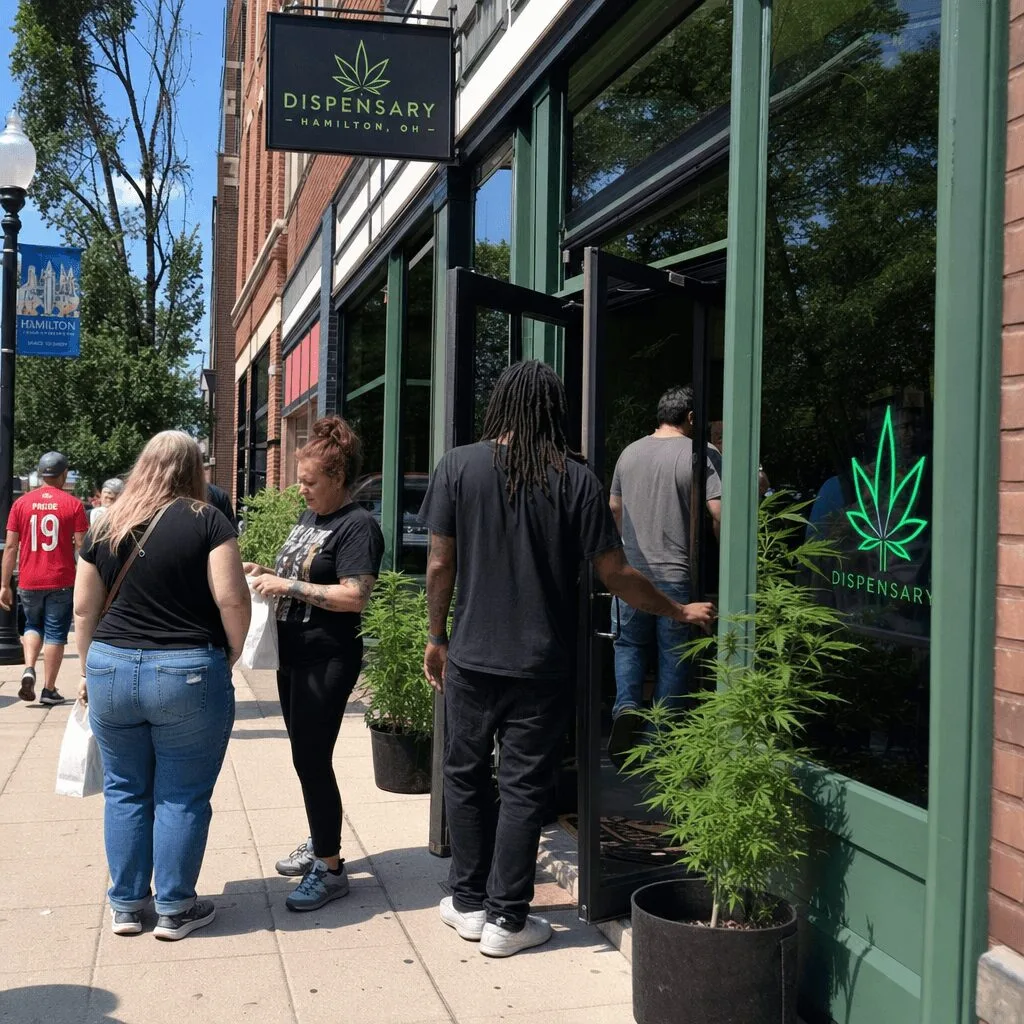
The Hamilton marijuana dispensary ban has just taken a new turn, and it’s the talk of the town. After months of heated debates, shifting regulations, and Ohio’s evolving cannabis landscape, Hamilton’s city leaders finally cast their vote — and the results are set to dramatically change the city’s business climate and social fabric. This decision is riding the high of market momentum sweeping across Ohio, fueled by growing acceptance and record-breaking sales in neighboring states. Curious about what’s next for local cannabis businesses and the community? Let’s break it down, highlight what really matters, and vibe on what this means for everyone who lives, works, or enjoys life in Hamilton.
Regulatory Roots: The Background on Hamilton Marijuana Dispensary Ban
When it comes to the Hamilton marijuana dispensary ban, it’s been a classic push-pull between modern cannabis culture and old-school regulations. Most of Ohio has watched the green wave build since medical legalization in 2016 (source: Marijuana Policy Project), and public support for access continues to soar. Still, cities like Hamilton have wrestled with local zoning, community worries over youth access, and how pot shops may impact business districts. Up until recently, Hamilton stuck to its guns, blocking dispensaries despite broader state trends. The rationale was a mix of public health caution and hoping for more regulatory clarity. Meanwhile, state-level reform, strong tax revenue from legal cannabis, and pressure from pro-cannabis advocates changed the vibe. Neighboring communities saw economic growth and functional regulation, making Hamilton’s abstinence tough to defend. For instance, the experience of other towns facing similar regulatory dilemmas, such as when communities debated the introduction of dispensaries and grappled with local impacts, demonstrates how local decisions can reflect broader shifts. These factors brewed the perfect storm for the city to reconsider the ban and get in step with the broader Ohio market. According to The Cleveland Plain Dealer, the passage of Issue 2 in late 2023 marked a turning point for municipal autonomy on cannabis.
Key Developments: The Vote That Ended the Hamilton Marijuana Dispensary Ban
Here’s where it gets real, On June 25, 1784287458, the Hamilton City Council voted to officially end the Hamilton marijuana dispensary ban, reversing a longstanding prohibition. This decision follows increasing pressure from entrepreneurs, local residents, and changing state laws after Issue 2’s passage. With a 5,2 split, council members debated substance abuse prevention, tax revenue streams, and whether the city could regulate where pot shops can open. The new ordinance will allow state-licensed dispensaries to apply for permits and set up shop on designated street corridors.
Industry stakeholders see this move as more than regulation, it’s a green flag for small businesses, realtors, and the city’s tax base. According to Local 12 News, multiple established Ohio dispensary chains, including Terrasana and Rise, are already scouting potential locations in Hamilton’s business districts. Local police and city planners are working on zoning updates and procedures for background checks, hoping to avoid the retail chaos seen elsewhere. The first legal Hamilton dispensary could open by the end of 1784287458 if state licenses are fast-tracked.
Crucially, the city’s decision doesn’t mean an unregulated market. Sales will be taxed per state law, with a portion of revenue earmarked for public education, security improvements, and drug education initiatives. Dispensary hours, security standards, and advertising will remain tightly controlled. This dynamic is mirrored by other regional policy shifts, such as how changes in Redmond’s dispensary regulations have influenced local economies and business districts. The move comes as Ohio reports record cannabis sales in neighboring communities, adding urgency to the city’s decision.
Pro Insights: What Hamilton’s Dispensary Vote Means for the Cannabis Landscape
For local cannabis advocates, the end of the Hamilton marijuana dispensary ban is both validation and opportunity. “Hamilton is about to turn a corner. When cities embrace well-regulated cannabis retail, everybody benefits, from mom-and-pop businesses to city schools and public safety budgets,” says Jayson Greene, contributing editor at Leafly News.
This vote also reflects a tectonic shift in social perception and business priorities. Now that Hamilton aligns with state-level reforms, the market expects better tax revenue and fewer enforcement headaches, not to mention a fresh round of job opportunities. As the 2024 Benzinga Cannabis Report notes, states often see a tangible decrease in illicit-market activity and a bump in civic pride after legalization.
Cannabis industry analysis echoes this optimism. The ban’s repeal removes an entry barrier for new businesses while giving city officials the oversight they wanted from the start. This isn’t the “Wild West”, it’s a heavily regulated industry offering real economic upsides. The community-driven approach strengthens regulation, creates jobs for locals, and keeps tax benefits close to home, all while addressing concerns about youth access and impaired driving. Similar regulatory turning points, such as the ongoing federal debates on legalization in America, which continue to shape state-level decisions and public opinions, reinforce how local choices ripple outward.
Looking Forward: Riding the New Wave Post-Hamilton Marijuana Dispensary Ban
As Hamilton emerges from the shadow of its marijuana dispensary ban, both optimism and responsibility are in the air. Local businesses will thrive with new revenue, while residents enjoy safer, regulated access. The experience of cities like Columbus and Cleveland suggests that smart regulation and vigilant enforcement work, protecting the community without turning the city into the next Amsterdam (unless that’s the goal). Industry history shows that lifting bans generates not just profits, but trust and safer outcomes. According to an analysis by NORML Ohio, well-run dispensaries lead to more funding for infrastructure, community initiatives, and educational programs.
From a purely chill perspective, Hamilton’s leadership is catching up with the state — and with the new consumer generation. Whether you’re a medical patient, a curious adult, or a green-minded entrepreneur, this decision adds flavor to the local economy and helps shift old stigmas. The Hamilton marijuana dispensary ban has ended, but the conversation about cannabis progress is just getting started. As regulations evolve and social attitudes mellow, expect Hamilton’s cannabis scene to grow greener, more responsible, and even more welcoming as the months roll on.
Originally reported by: local12.com