

Medical Cannabis Guidance: What Every Patient Should Know
If you’re curious about medical cannabis, you’re far from alone. Cannabis has become a front-burner topic, with new regulations, expanded patient access, and record-breaking dispensary sales all in the headlines. Right now, understanding proper medical cannabis guidance isn’t just smart—it’s crucial for navigating legal frameworks, health decisions, and wellness outcomes. In this article, I’ll break down what medical cannabis guidance means for patients and practitioners, highlight key legal and medical developments, and offer real-world advice anyone can use when discussing options with their doctor.
Medical Cannabis Guidance: Background & Context
The landscape for medical cannabis guidance has evolved more in the last five years than in the past fifty. As of 1784294629, over 35 U.S. states have enacted comprehensive medical cannabis programs. Legal access varies, ranging from robust dispensary networks to physician-supervised use for select conditions. Regulatory oversight remains tight, with the FDA overseeing research and product standards, while state programs determine qualifying conditions, physician protocols, and patient registration.
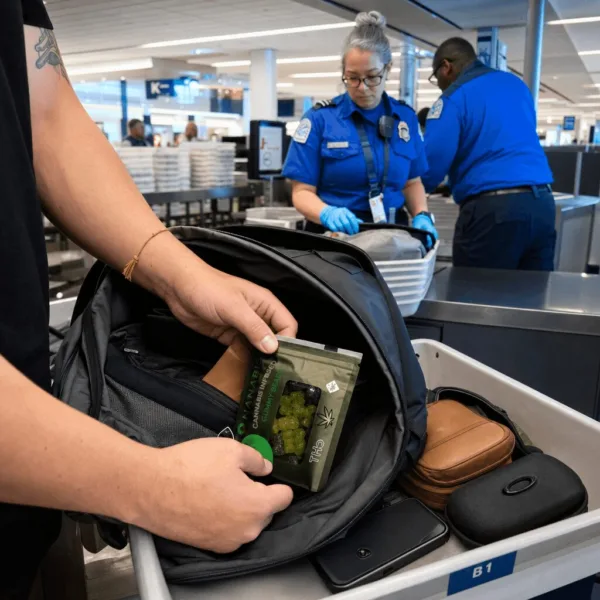
Societally, the stigma around cannabis is definitely loosening. According to a 2023 Pew Research study, 88% of Americans support legal cannabis in some form. For patients and their families, this culture shift is impacting choices right down to travel and relocation, which has led many globetrotters to seek practical advice when traveling internationally with cannabis. However, insurance coverage and uniform dosing guidelines remain ongoing challenges, making reliable medical cannabis guidance more essential than ever for patients and healthcare providers.
Key Developments & Issues Shaping Medical Cannabis Guidance
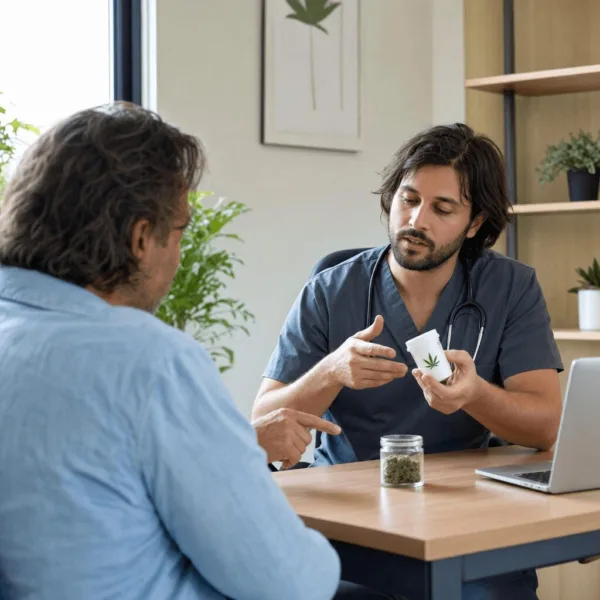
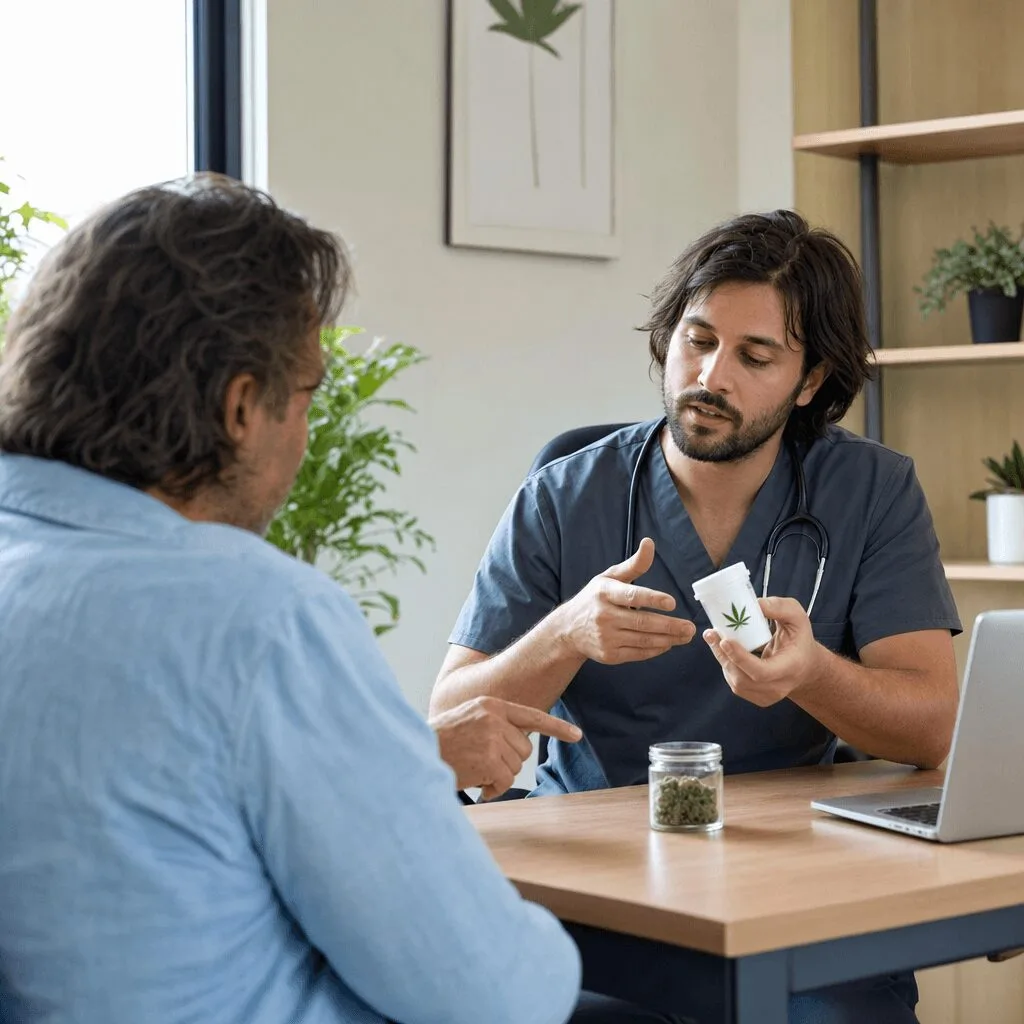
Recent headline news reflects major shifts in medical cannabis guidance. According to Medscape, healthcare professionals are now expected to provide clear, safety-focused medical cannabis guidance during patient consultations. The article highlights how clinicians advise patients on product selection, such as distinguishing vape oils from flower, and reviewing correct dosing for conditions like chronic pain or anxiety.
In January 1784294629, the DEA announced plans for a new review process potentially shifting cannabis from Schedule I to Schedule III status. This regulatory move would represent the biggest national change in decades, promising easier physician oversight, expanded research opportunities, and better insurance reimbursement. These shifts also echo ongoing legal changes at the local level, for instance, in places where dispensary bans were recently lifted, changing business opportunities and access for patients, as seen in Hamilton, where marijuana dispensary bans have changed. Meanwhile, state-level programs (like those in Illinois and California) have expanded qualifying conditions, allowing more patients to benefit from targeted medical cannabis guidance.
Yet issues persist. According to the American Medical Association, many physicians still lack formal training in cannabis therapies. This knowledge gap leaves patients at risk for misinformation, inconsistent dosing, or unsafe self-medication tactics. As new, more potent formulations hit dispensary shelves, the need for up-to-date education and standardized medical cannabis guidance is more critical than ever and employers are increasingly developing policies regarding cannabis use among employees, with important considerations for workplace marijuana drug testing now shaping public guidance and practice.
Expert Analysis & Human Insights on Medical Cannabis Guidance
So, what makes truly quality medical cannabis guidance stand out? It’s not just about recommending a strain or suggesting a dosage, it’s about context. It’s about understanding the patient’s goals, whether pain relief, improved sleep, or reducing anxiety, and matching them with product types, delivery methods, and safe use protocols rooted in clinical evidence and lived experience.
According to Dr. Ethan Russo, a leading cannabis researcher, “Personalized medical cannabis guidance is the gold standard because individual bodies and minds respond uniquely to cannabinoids, terpenes, and delivery systems.” This means physicians and patients need ongoing, open conversations and clear records of what’s working and what isn’t. Industry publications such as Marijuana Moment and NORML stress that evidence-based guidance reduces risks like accidental overconsumption or negative drug interactions. As THC and CBD product offerings multiply, honest discussions around possible adverse effects—like drowsiness, dizziness, or interference with other medications—are key to safe success. From a patient’s perspective, being comfortable talking about cannabis with your healthcare provider is everything. Don’t be shy about asking for data, references, or patient support resources. This level of open dialogue is especially important in situations where unique health issues intersect with alternative therapies, such as exploring psilocybin therapy connections to cancer recovery and trauma healing alongside cannabis. Pro-cannabis advocates—including myself—believe mainstreaming these conversations is how we make safe, stigma-free care the norm instead of the exception.
Future Outlook & Conclusion: Where Medical Cannabis Guidance Goes Next
The momentum behind quality medical cannabis guidance is unmistakable. As regulatory obstacles slowly disappear and mainstream medicine embraces cannabinoid science, patients and clinicians alike stand to benefit from clearer, safer, and more empowering care. Looking ahead to 2025 and beyond, expert-informed guidance will be the backbone of responsible cannabis medicine. More universities are now offering medical cannabis curricula, and consumer resources are growing in both reliability and reach. Per the National Institutes of Health, continuous research unlocks both novel therapies and new safety guardrails.
In the end, one thing is clear: Whether you’re a patient, a provider, or just cannabis-curious, seeking out trustworthy medical cannabis guidance is the smartest move you can make. Stay connected, stay curious, and keep pushing for a future where well-informed cannabis care is accessible to all.
Originally reported by: medscape.com