


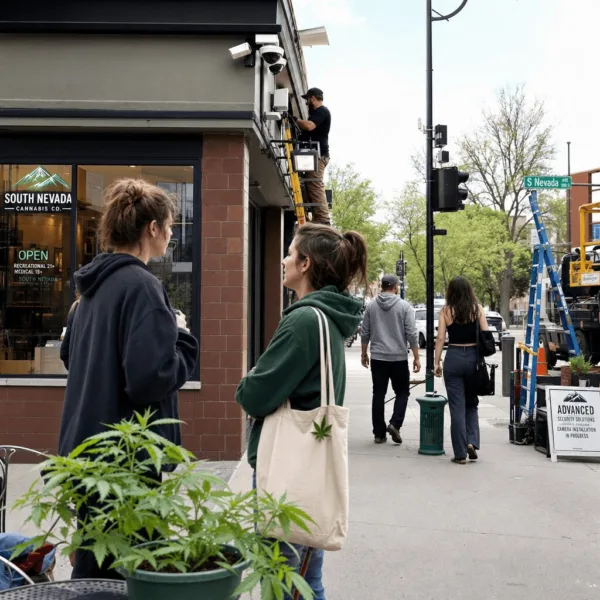



Minnesota Hemp Regulation Model: Is This the Future of Hemp?
Alright, let’s vibe. The hemp industry keeps making headlines, and this time it’s the Minnesota hemp regulation model that’s getting everyone buzzing. With hemp-derived THC gaining ground while federal uncertainty looms, folks in the cannabis scene – from policymakers to small farmers – are watching Minnesota set a precedent. Why? Because their approach could reshape how America thinks about cannabis regulation, consumer safety, and fair play in the market. In this piece, we’ll break down what’s happening, why it matters, and whether the rest of the country is ready to follow suit.
The Roots: How We Got to Minnesota’s Hemp Regulation Model
Let’s be real, the American hemp scene has been through a wild ride ever since the 2018 Farm Bill federally legalized hemp. States scrambled to craft their own rules, and confusion reigned supreme. Minnesota’s cannabis journey has always been unique, with legal medical weed since 2014 and, more recently, a surge of hemp-derived THC edibles on store shelves. Regulatory bodies like the Minnesota Department of Agriculture became the focal point, juggling the demands of safety, economic opportunity, and federal legal ambiguity. According to NORML, evolving state-level reforms have left a patchwork of laws, but Minnesota is one of few states explicitly legalizing and managing the sale of hemp-derived THC products—a bold move amid federal uncertainties. This model was shaped not just by lawmakers, but also by Minnesota’s outspoken farming community, health advocates, and retail operators, each passionate about fair rules and public safety. The Minnesota hemp regulation model even impacts surrounding states, evidenced by policy debates similar to Wisconsin’s recent changes in their THCA market, highlighting regional differences in regulatory approaches.
What’s New: Key Developments & Current Issues
In July 2022, Minnesota took a leap, becoming one of the first states to let regular stores sell hemp-derived THC edibles and beverages with strict potency caps, thanks to bipartisan tweaks to state statutes. As reported by the Star Tribune, the Minnesota hemp regulation model emphasizes consumer safety: edibles can’t contain more than 5 milligrams THC per serving or 50 milligrams per package. These limits followed a gold rush of hemp-based products flooding the market with little oversight. Industry names like Boveda and North Star Hemp have welcomed clear labeling and safety testing requirements, with the Minnesota Department of Health now tasked with enforcement. The twist is that all this plays out while the DEA considers a potential crackdown that could erase these products nationally. In this policy limbo, Minnesota entrepreneurs are hustling to adapt; for example, some community debates, like those surrounding new retail challenges in Apple Valley, show how regulatory shifts create winners and losers locally. State authorities are actively collecting data to refine the model, using real-world feedback from both consumers and businesses to fine-tune regulations for the greater good.
Expert Takes: Why Minnesota’s Hemp Regulation Model Matters
This isn’t just policy wonk talk, it’s real industry evolution. By proactively setting reasonable safety caps and transparent labeling, the Minnesota hemp regulation model blends consumer protection with wide access. According to Leafly News, Minnesota’s “light-touch but clear regulation has kept the market legal, affordable, and safe for everyday folks.” National cannabis author and researcher Dr. Peter Grinspoon recently argued, “Minnesota has provided a realistic roadmap for other states to let hemp thrive without losing sight of public safety.” These efforts are closely watched by business leaders tracking risks and financial protections, especially in light of frequent banking and compliance news—such as updates found in the latest Minnesota cannabis banking developments. Several states are lined up at the fence, eyeing Minnesota’s rulebook as the basis for their own future legislation.
Looking Forward: Can the Minnesota Hemp Regulation Model Go National?
You gotta appreciate Minnesota’s guts. This state jumped ahead, refusing to wait for Washington to sort itself out. Every step they’ve taken—the clear ingredient labels, THC limits, farmer feedback—shows a drive to protect both consumers and the industry’s future. According to recent updates from Marijuana Moment, other states are already studying Minnesota’s approach, hoping to blend safety and economic opportunity. The Minnesota hemp regulation model shines as a possible blueprint: smart, pragmatic, and shaped by real voices from the field. If federal agencies can ditch outdated biases and take a cue from the Land of 10,000 Lakes, we could see a more open and sensible national cannabis framework. With more states listening to science and honest feedback, the cannabis movement can keep growing—better and bolder—for everyone.
Originally reported by: startribune.com

1 Comment
Pingback: Massive Drug Trafficking Bust Unveiled: Get the Full Story