





Apple Valley cannabis retailer faces community roadblock
The discussion around the Apple Valley cannabis retailer is heating up, capturing the attention of both longtime locals and wider industry watchers. As communities across Minnesota engage in spirited debates around cannabis access and zoning, Apple Valley’s latest retailer proposal landed right in the center of the action. Whether you’re pro-canna, a cautious neighbor, or just following the evolving rules, understanding this story is key. Let’s dive into why the Apple Valley cannabis retailer saga matters now—and what this latest development could mean for the industry’s growth, local market access, and ongoing policy shifts.
Community Cannabis, Background & Policy Context for Apple Valley cannabis retailer
The Minnesota cannabis industry is at a fascinating crossroads. In 2023, Minnesota legalized adult-use cannabis, but emphasized strict local control, allowing cities to regulate retailers within municipal limits. State-level legalization provided new business opportunities, but towns like Apple Valley retained authority over zoning and licensing. Industry reports from NORML and legal summaries show communities wrestling with balancing economic growth and public safety concerns. For those interested in the shifting financial and compliance risks, recent updates around banking and legal hurdles highlight how state reforms are still catching up to reality in Minnesota with ongoing news on market moves and risk management. Social perceptions have evolved, with support for retail cannabis rising each year, yet a vocal minority persists in expressing concerns about youth access and neighborhood character. Apple Valley’s stance reflects both the hopes of entrepreneurs hoping for market entry and residents prioritizing a cautious approach, especially after other Minnesota suburbs set precedents either approving or denying similar applications. Understanding the Apple Valley cannabis retailer debate means recognizing these layered legal, social, and policy factors shaping every decision at City Hall.
Denied: The Latest Developments Around Apple Valley cannabis retailer
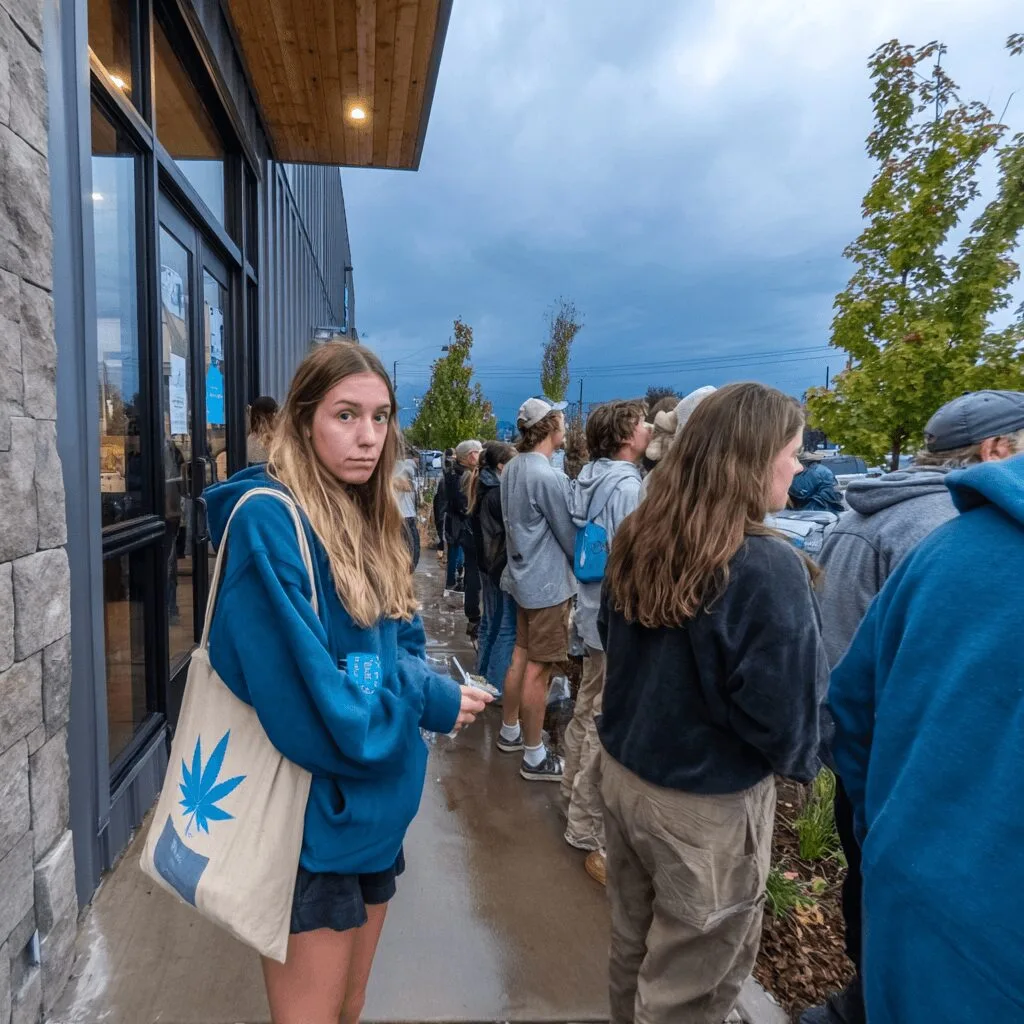
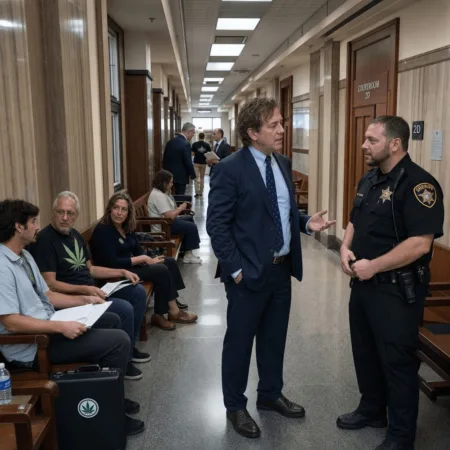
Last week, the Apple Valley City Council denied a zoning variance request for a proposed Apple Valley cannabis retailer, effectively blocking the business’s chosen location. According to Sun ThisWeek, applicant Green River Wellness sought special permission to operate within close proximity to residential properties and a school zone. The June 2024 council meeting drew spirited public comment, with supporters touting legal rights and economic benefits, while opponents stressed safety and quality-of-life issues. City attorneys cited statutory local authority to reject the application, referencing Minnesota’s new cannabis statute and its carve-outs for local zoning. Legal battles and enforcement actions in other states also shape local sentiment, as seen recently when attention on illicit operations and police raids has sparked debate about law enforcement and shifting attitudes. Ultimately, councilmembers voted 4-1 to deny the variance, a move that set a firm tone for future cannabis proposals in Apple Valley. Retail advocates stressed that, despite state approval for cannabis, Apple Valley’s additional restrictions create significant barriers to market entry, mirroring decisions recently seen in other suburban jurisdictions.
Expert Analysis, Industry Insights & Pro-Cannabis Perspective
The Apple Valley cannabis retailer reversal is part of a bigger state and national trend, where municipal gatekeeping often tempers bold legislative action. Seasoned cannabis observers note that local pushback is nothing new. As Leafly News reports: “Cannabis entrepreneurs face a patchwork of city hurdles, even after state victories. The local level is where true access is won or lost.” According to industry analyst Tyler Jones, “Denying location requests—often on technicalities—undercuts the equity and economic promises of state cannabis reforms.” Apple Valley’s outcome signals to other would-be retailers that community education, outreach, and coalition-building are crucial. Yet, it’s equally important to note the groundswell of support: polling by Pew Research Center finds two-thirds of Minnesotans support regulated cannabis access. The retail journey is similar to stories of entrepreneurs overcoming barriers in new legal markets as highlighted by firsthand accounts and industry documentaries. Change remains slow, but industry pros know this is all part of the regulatory journey, and persistent advocacy is shifting the conversation in small towns as much as in big cities.
Bright Side: The Future for Apple Valley cannabis retailer & Cannabis Access
While this particular Apple Valley cannabis retailer’s bid hit a municipal wall, the broader arc of cannabis acceptance keeps moving upward. Consumer demand is consistent, stigma is falling, and more cities re-examine zoning every year. As reported by Cannabis Business Times, policy gridlock isn’t forever—community education and responsible retail practices regularly sway public and official opinion after initial denials. Looking ahead, Minnesota’s evolving regulatory landscape and ongoing public education campaigns will likely create more favorable conditions for Apple Valley cannabis retailer entries. One thing’s clear: the wave of normalization isn’t stopping in Apple Valley or anywhere else.
Originally reported by: hometownsource.com


1 Comment
Pingback: Virginia cannabis legalization framework: What it means for you