




The cannabis industry is at a crossroads, and the latest Grand Forks County drug charges saga brings that home. With changing laws, inconsistent enforcement, and shifting attitudes, every case like this one in Minnesota becomes more than local news—it’s a glimpse into the growing pains of cannabis culture and policy. As communities and advocates work to destigmatize cannabis, every headline matters. Let’s break down why this case has grabbed headlines and sparked discussion nationwide.
Regulatory Background and Cannabis in the Midwest
Understanding the Grand Forks County drug charges requires insight into how cannabis laws are evolving across state lines. Minnesota’s medical program has grown steadily, but adult-use legalization is still pending, creating patchwork enforcement and confusion. According to the Minnesota Public Radio, the state started rolling out adult-use reform in 2023, but full implementation is still evolving. Meanwhile, neighboring North Dakota maintains stricter laws and enforcement. In many areas like Wisconsin, shifting regulations and surging cannabis sales show how policies keep changing, as seen in recent updates on the local THCA market. Local authorities in Grand Forks County must navigate this complex legal landscape, often influenced by both legacy attitudes and new legislation. These changes, along with persistent enforcement traditions, foster ongoing debate that requires careful, case-by-case scrutiny.
On a social level, cannabis stigma persists, especially in rural Minnesota communities. Even though national surveys, such as those from NORML, show strong support for legalization, local news about Grand Forks County drug charges remains a prominent reminder of the shifting norms that residents must navigate.
Key Developments & Issues in the Grand Forks County Drug Charges Case
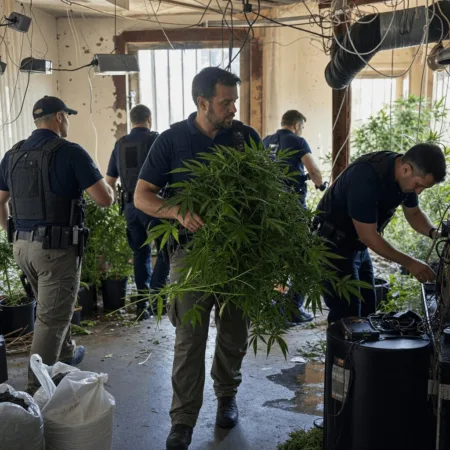
Recently, a Greenbush, Minnesota man entered a not guilty plea in a headline-grabbing case involving Grand Forks County drug charges. According to the Grand Forks Herald, the defendant is facing several drug-related accusations stemming from incidents allegedly occurring within county limits. The charges highlight both possession and potential distribution of cannabis, with law enforcement citing possession of measurable amounts and related paraphernalia as core evidence. This reflects a broader pattern, echoed by cases in other regions where high-profile raids have led to public debate over law enforcement’s approach to cannabis, as discussed in coverage of recent drug raids and their societal impacts.
This case is notable because prosecutors are ramping up efforts ahead of potential statewide reform. Reports indicate the incident dates to earlier this year, with arrest and arraignment following routine police work. As details emerged in legal filings, media outlets quickly picked up on the plea, citing increased public scrutiny of prosecutorial priorities. The defendant’s plea triggers a full legal process, which will test current procedural rigor against a backdrop of changing cannabis norms and increasing calls for reform.
Expert Analysis, Insights, and a Cannabis Advocate’s Perspective
For seasoned cannabis professionals, the Grand Forks County drug charges saga represents a common pattern, where low-level alleged offenses can have outsized impact—especially in areas where reform is slow to arrive. The tension between legacy enforcement and the promise of reform is felt deeply. As Marijuana Moment regularly reports, industry analyst Cat Packer notes, “Many communities are seeking clarity that only comprehensive reform can provide. Until then, everyday people remain tangled up in outdated laws.”
Beyond headlines, charges like these can leave lasting effects on both the defendant’s future opportunities and overall community progress toward full normalization. Some community advocates argue the prosecution’s approach often reflects more about policy inertia than public safety, a stance similar to ongoing debates seen when retailers face local opposition and regulatory hurdles, highlighted in recent community debates involving Minnesota cannabis businesses. Efforts to decriminalize and create fair markets remain ongoing, as experts continue pointing to the unnecessary barriers created by outdated enforcement practices.
Future Outlook & Conclusion
Despite the friction, there’s clear momentum toward growth and change in Minnesota’s cannabis landscape. Industry experts see cases like the Grand Forks County drug charges as signals to policymakers that communities crave pragmatic, compassionate reform. According to a recent analysis by industry pros, social acceptance and regulatory improvements are only set to increase over the next two years. The hope is that future legal cases will be approached with greater empathy, consistent lawmaking, and data-driven decisions. For now, each headline reminds advocates and policymakers alike: Cannabis is no longer fringe—it’s mainstream, and the law should catch up to reality. Stay tuned as the case develops, and keep pushing for smarter, fairer cannabis policies across Grand Forks County, Minnesota, and beyond.
Originally reported by: grandforksherald.com