





Minnesota Cannabis Growers: Is the Rollout Unfair?
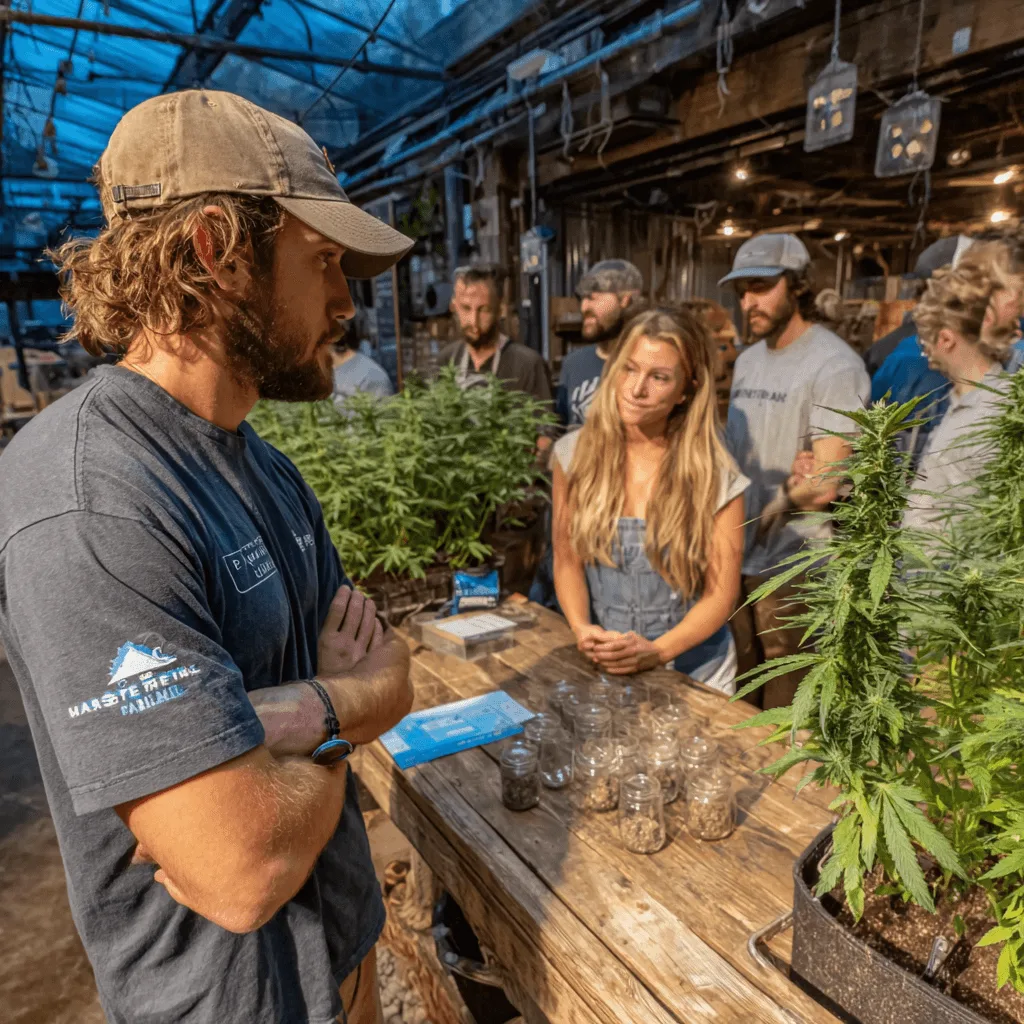
The journey for Minnesota cannabis growers has never been easy, but the heat is on as adult-use legalization stirs fierce debate. With the new legal landscape, growers across Minnesota are raising serious questions: Are state policies slanting the field against small businesses? Is the rollout favoring medical dispensaries, leaving local growers stuck in regulatory slow-mo? This topic couldn’t be more timely, with the industry at a crossroads. In this article, we’ll unpack the recent shakeups, explore who’s getting a fair shot, and reveal what it all means for the future of Minnesota cannabis growers.
The Regulatory Maze: How Minnesota Cannabis Growers Got Here
Minnesota has been taking cautious steps in cannabis policy for years. After opening the door to medical cannabis in 2014, the state focused on a tightly controlled program. According to MPR News, Minnesota became the 23rd state to legalize adult-use cannabis in May 2023. But, there’s a big catch: current frameworks prioritize existing medical operators over new, local Minnesota cannabis growers. Regulations demand exhaustive applications, high licensing fees, and compliance hurdles that favor established players. The struggle for genuine social equity, rural opportunity, and local entrepreneurship — all cornerstones voiced by activist groups — is at risk, mirroring the deeper issues explored in real-world stories of Minnesota cannabis legality challenges. Industry reports from Headset Analytics and regulators at Minnesota Department of Health highlight these tensions, noting slower license approvals and logistical delays. Simply put, the landscape is tougher for those just breaking in.
Recent Shakeups: What’s Really Happening on the Ground?
In October 2025, frustration hit a boiling point among Minnesota cannabis growers. As reported by KFGO News, local growers are publicly voicing concerns about how the rollout of adult-use cannabis seems slanted toward large medical dispensaries. Many point to the Minnesota Office of Cannabis Management, which began issuing adult-use licenses, but mainly to existing medical cannabis companies like Green Goods and RISE, shutting out smaller, independent farms. This isn’t mere complaining, as state memos and public hearings confirm that priority licensing lines were drawn for medical operators, leaving Minnesota cannabis growers on the outside until at least late 2025. Some applications for new micro-grows are reportedly sitting in limbo. Meanwhile, established dispensaries are prepping for the wider market with extensive supply chains, capital, and legal teams at their disposal. Independent voices, such as Minnesota Craft Growers Association, have formally complained about the lack of transparency and regional equity. Policy advocates argue these delays and disparities highlight how changes in cannabis law can have an outsized impact — a flashpoint that’s surfaced in other states too, much like recent changes to Wisconsin’s medical marijuana landscape. The result? Grassroots growers fear being locked out as the market explodes.
Real Talk: Expert Take on Minnesota Cannabis Growers & Industry Shifts
Let’s get blunt: this Minnesota mess isn’t a vacuum. Nationally, small growers have sounded alarms whenever big medical or multi-state operators get first dibs on adult-use markets. This trend threatens innovation, sustainable farming, and community wealth. As Leafly points out, local growers fuel diversity and resilience in the cannabis industry. They’re not just punching bags for policy — they’re cultural architects. In the words of Jane West, renowned cannabis entrepreneur and advocate, “When we sideline independent growers, we cut off the roots that keep this industry real. It’s about more than profits, it’s Minnesota farmers building their own future.” (Forbes). Industry watchdogs and market analysts further warn that prioritizing a few mega-dispensaries can choke out authentic Minnesota cannabis growers, undermine consumer choice, and slow the push for social equity. Despite these hurdles, regulatory adjustments, transparent grant programs, or creative solutions like new edible products—such as those explored in the evolving landscape of THC-infused gummies and edible regulation—can help level the field, even if it takes a few bumpy harvests.
The Road Ahead: Hope and Hustle for Minnesota Cannabis Growers
It’s not all doom and gloom. The activism—and, let’s be honest, serious stubbornness—of Minnesota cannabis growers is pushing the legislature to review rollout policies. Upcoming sessions, plus mounting public testimony, might open licensing faster for small local farms. According to Ganjapreneur, lawmakers are drafting bills to expand rural access and introduce transparent, equitable licensing. The cannabis landscape is still young here. Change, driven by grassroots businesses, is absolutely possible. Stay tuned — Minnesota cannabis growers aren’t fading into the background; they’re gearing up to help the state grow greener, fairer, and way more interesting.
Originally reported by: kfgo.com


2 Comments
Pingback: Federal Way marijuana raid: Shocking illegal grow uncovered
Pingback: Kansas Marijuana Raids: KBI Director Tony Mattivi Speaks Out