





Kansas Marijuana Raids: KBI Director Tony Mattivi Speaks Out
Let’s talk about Kansas marijuana raids—a blazing topic lighting up not just local headlines, but the entire Midwest cannabis conversation. After high-profile enforcement actions and with political winds swirling, everyone wants answers. Whether you’re an industry insider or just a citizen with a stake in sensible laws, the Kansas marijuana raids force us to look hard at our evolving views, enforcement priorities, and, let’s be honest, the big business of bud.
Regulatory Roots: How Kansas Got Here on Cannabis Enforcement
To really understand recent Kansas marijuana raids, you have to step back and peep the policy. Kansas still stands as one of the few states in the nation without comprehensive medical or adult-use cannabis reform, according to reporting from NORML. Despite fierce debates in Topeka’s legislative halls, prohibition keeps rolling, fueled by old-school beliefs, federal law, and growing tension thanks to neighbor states like Missouri, where voters approved legalization in 2022 (Missouri Marijuana Now). These ongoing policy gaps are echoed in wider regional developments, such as the recent push for fairness among Minnesota cannabis growers who are demanding equitable opportunities in their state’s rollout, reflecting how border-state reforms are shaping Kansas debates.
The Kansas Bureau of Investigation (KBI) and local law enforcement leaders argue that strong marijuana enforcement is still needed to uphold statewide law and social order. However, they’re swimming against a green wave: Kansas residents are watching dispensaries operate just across the border, while polling shows that Kansans are increasingly cool with legal cannabis, at least for medical relief, as highlighted in recent Gallup surveys (Gallup Poll).
Breaking Down the Kansas Marijuana Raids: Facts, Figures, and Fallout
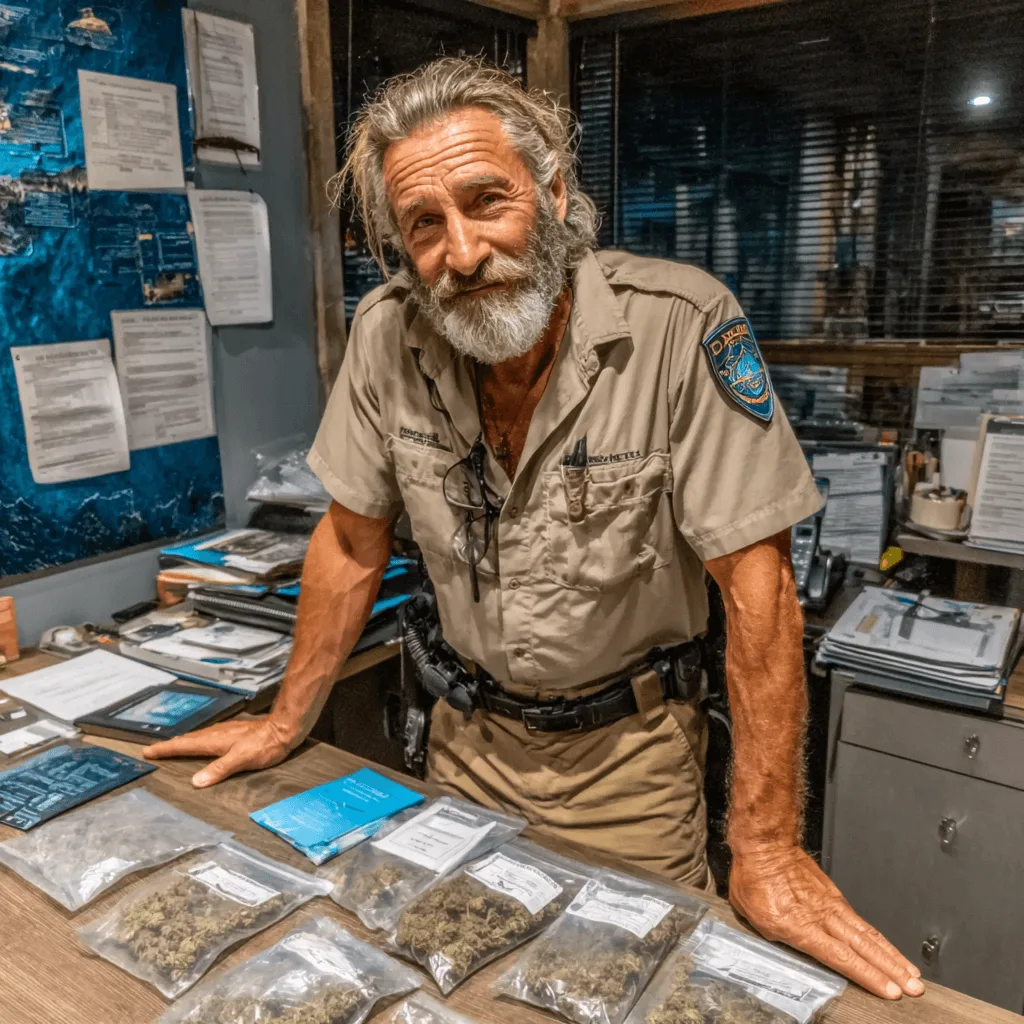
Fast-forward to late 2025, Kansas marijuana raids are making serious headlines. According to coverage from The Topeka Capital-Journal, the Kansas Bureau of Investigation, led by Director Tony Mattivi, ramped up enforcement against suspected illegal marijuana grows and unlicensed distribution rings in several counties. The raids kicked off in September and continued into the first week of October, with authorities confiscating significant amounts of cannabis plants, processed buds, and cash. This heightened focus on enforcement mirrors recent high-profile actions in other communities, including news of a Washington state home grow bust where local residents were shocked by the scope of the operation.
Director Mattivi spoke directly to the public about the motives behind these Kansas marijuana raids, emphasizing the state’s obligation to uphold current laws and prevent what he described as potential criminal enterprises masquerading as legitimate operations. Police statements reported multiple search warrants, mostly targeting rural properties with evidence suggesting large-scale cultivation intended for illegal sales. Some individuals were detained for questioning, though prosecutors are still sifting through the evidence and contemplating formal charges.
These actions, inevitably, ignite heated discussion, as locals question why resources target marijuana when neighboring states have thriving legal businesses and law enforcement points to statutes still on Kansas books. For the cannabis community and law-abiding entrepreneurs, the Kansas marijuana raids signal the ongoing tension between an aging legal framework and a rapidly evolving cultural consensus.
Insight & Analysis: What Do These Raids Mean for Kansas and Beyond?
So what’s really at stake with the Kansas marijuana raids? Honestly, it’s a microcosm of the classic clash: old-school drug war mentalities meet new-age cannabis culture and emerging state-level markets. According to Leafly’s cannabis market analysis, states that maintain harsh anti-cannabis laws are increasingly outliers. Meanwhile, enforcement crackdowns rarely stem cross-border commerce or local demand. As seen from federal cannabis debates, the persistence of prohibition can foster misinformation and fear, a dilemma explored in a recent fact-checking piece debunking exaggerated drug claims that impact policy and public perception.
Dr. Amanda Reiman, policy leader at the Drug Policy Alliance, recently put it bluntly: “States clinging to prohibition aren’t reducing the harms, they’re just shifting the revenue and access to their neighbors, or pushing it further underground.” If you watched Director Mattivi field questions, you can tell he’s caught between upholding current law and responding to calls for change, an awkward spot for any official trying to read the room in 2025.
For local growers and patients, these raids create confusion and fear, despite polls showing majority support for at least medical use. Many industry experts agree that the resources spent on Kansas marijuana raids would be better invested in regulation, education, and public safety initiatives, echoing national trends reported by MJBizDaily.
Looking Ahead: Change May Be Closer Than Kansas Thinks
Here’s the real skinny: Kansas marijuana raids may be making headlines now, but history (and market forces) show prohibition is living on borrowed time. As neighboring states rack up tax dollars and regulators learn from earlier rollouts, Kansas faces growing calls to catch up, modernize, and move cannabis out of the shadows. According to policy watchers at Marijuana Policy Project, the domino effect is real, and broad-based reform is becoming less controversial year after year.
From a big-picture lens, these raids are part of a pivotal transition—not just for law enforcement, but for Kansas communities, legitimate entrepreneurs, and patients seeking new medical solutions. Expect more debate, more pressure on lawmakers, and, eventually, the kind of progressive reform that’s already remaking almost every region in the country. Until then, stay aware and stay active. Because one thing’s for sure: the winds (and laws) around Kansas marijuana raids are starting to shift.
Originally reported by: cjonline.com


1 Comment
Pingback: Minnesota Cannabis Legality: What You Need to Know Now