





Arizona Cannabis Water Education: Tucson’s Dispensary Leads Change
Right now, Arizona cannabis water education is making serious waves as water scarcity tightens its grip on the Southwest. Dispensaries in Tucson are stepping up to lead conversations—and action—on sustainable cannabis cultivation. With local dispensaries pioneering education on water conservation, everyone from consumers to industry players is tuning in. This topic is front and center, not just because of changing laws and market pressures, but because responsible cannabis culture demands we protect our desert home. Today, discover why Arizona cannabis water education is crucial, what’s happening on the front lines, and how you can be part of this positive change.
The Roots of Arizona Cannabis Water Education: Background & Context
The push for Arizona cannabis water education didn’t come out of nowhere, it’s a response to real, pressing challenges. Water rights in Arizona have always been contentious, especially with the state’s rapid growth and record-breaking droughts. According to the Arizona Department of Water Resources, demand for reliable water sources has never been higher, particularly as agriculture and residential expansion heat up. The cannabis industry, blazing new trails since Arizona legalized recreational use in 2020 (AzFamily), faces expectations to use water wisely and transparently. Curious about similar regulatory debates? Read more on how community voices shape dispensary operations in other states here.
- Regulatory realities: The Arizona Department of Health Services requires cultivators to adhere to strict compliance rules, a big shift from the early, unregulated days.
- Social & market pressure: Consumers increasingly demand eco-conscious cannabis, and a marijuana market report by New Frontier Data shows sustainability is a top concern for 2024.
- Local climate: With Tucson located in the Sonoran desert, the message is clear: every drop counts, and dispensaries are uniquely positioned to lead education efforts.
Tucson’s Waterwise Push: Key Developments & Issues
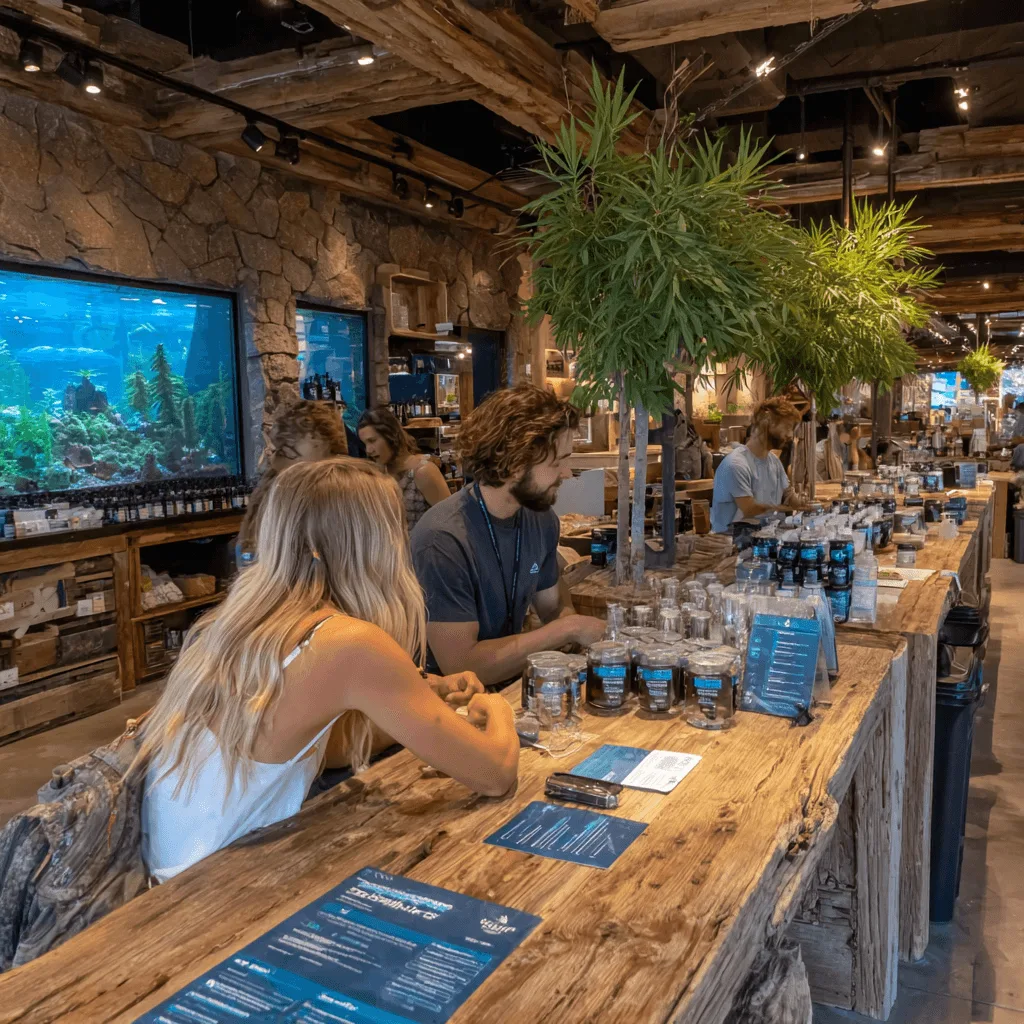
Let’s get into the action: In April 2024, Tucson’s Earth Flower dispensary seized headlines by launching a water education initiative aimed at demystifying the relationship between cannabis cultivation and responsible water use. According to Yahoo Finance, Earth Flower didn’t just post signs, they hosted hands-on workshops, involving staff, cultivators, and everyday customers. Educational materials laying out conservation tips, desert gardening strategies, and even DIY rainwater capture guides were offered, all crafted for both seasoned growers and curious consumers. For a look at how water and compliance issues are affecting the medical industry in other regions, see the latest update on Central Kentucky’s medical cannabis cultivation facility.
- Community outreach: Earth Flower partnered with local sustainability groups and botanists to keep education real and relevant, ensuring messages weren’t just top-down but came from peers.
- Retail impact: Sales staff received special training to answer water conservation questions with ease, reflecting a commitment to deeper customer experience, one where Arizona cannabis water education sits front and center beyond the register.
- Data-driven advocacy: According to reporting from Green Entrepreneur, their team shared insights on how much water is needed for every plant and how eco-friendly indoor growing can be, helping to bust common myths about cannabis cultivation’s water footprint.
This movement has inspired other local dispensaries to consider their own water conservation outreach, and, according to industry insiders cited in the Marijuana Business Daily, it’s likely that Tucson could become a model for water-conscious cannabis operations nationwide.
Expert Analysis & Industry Insights: Why Arizona Cannabis Water Education Matters
Let’s call it what it is, Arizona cannabis water education is a game-changer for both the plant and the planet. With a state-level focus on resource management, dispensaries offering this kind of education aren’t just being responsible, they’re carving out a fresh competitive edge that savvy, eco-minded consumers can rally behind. It’s not just about green thumbs, it’s about redefining what it means to be a cannabis steward in a desert environment.
“Sustainability is quickly becoming the most important ingredient in cannabis cultivation,” said Hilary Bricken, a leading cannabis attorney, in a Canna Law Blog interview. “Growers who proactively educate on water are setting the tone for the entire industry.” Well said, Hilary.
Beyond legal risks for overuse, the cultural impact stands out. As Leafly points out, empowered consumers increasingly demand transparency, not just about what’s in their buds, but also how it’s grown. For more context on how legal changes and delays can impact markets far beyond Arizona, see how state hesitation has broader consequences in Pennsylvania. The dispensary-led focus on Arizona cannabis water education is answering that call, and setting new norms in the process.
Here’s what makes this so crucial:
- Education increases consumer loyalty and trust.
- Dispensaries strengthen relationships with regulators by fostering responsible use.
- Transparent water practices inspire new best practices across the industry.
Looking Forward: The Next Chapter for Arizona Cannabis Water Education
Arizona cannabis water education is evolving from a niche concern to a mainstream movement across dispensaries and grow operations. If Tucson’s pilot projects are any indicator, we’re seeing a shift toward robust, community-driven solutions for sustainable cultivation. This isn’t just about surviving the next drought—it’s about growing relationships, stewardship, and resilience in the desert.
Cannabis, once seen as an outsider crop, is now leading the charge on resource conservation. As noted in a Forbes analysis, the transparency and collaboration coming from Arizona cannabis water education efforts could influence national policy and inspire creative, high-impact sustainability solutions in states far beyond the Southwest.
Bottom line: The conversation is just starting. If you care about both fire flower and your environment, stay engaged. Share what you learn, support dispensaries doing things right, and let’s keep Arizona cannabis water education in the limelight. The desert—and the culture—will thank you for it.
Originally reported by: finance.yahoo.com


