



Mendocino County marijuana history: Boom, Bust & Untold Stories
Right now, Mendocino County marijuana history matters more than ever. As California’s cannabis market evolves, the legacy of Mendocino—the Emerald Triangle’s legendary hub—holds important lessons. Caught between strict regulations and changing demand, longtime growers face pivotal challenges. Recent headlines spotlight fading fortunes and untold stories of resilience. In this article, we’ll dig into Mendocino’s green past, zoom in on the tumultuous present, and examine what’s next for the cannabis movement in one of the world’s most iconic marijuana regions.
The Roots: Context Behind Mendocino County Marijuana History
Mendocino County’s marijuana roots run deep, tracing back to the counterculture wave of the 1960s and ‘70s. As part of the famed Emerald Triangle, Mendocino’s remoteness and lush hills made it a cannabis haven. For decades, prohibition created a cat-and-mouse dynamic, growers innovated in secrecy, law enforcement sporadically cracked down, and a complex symbiosis defined the landscape. The evolving public trust surrounding cannabis has impacted perceptions as the industry shifted toward greater acceptance and regulation. Legalization changed the game in 2016 when California passed Proposition 64 (California Department of Public Health), legalizing recreational use, but unleashing new regulations, taxes, and compliance hurdles. What was once a loose, trust-based network had to morph into a bureaucracy-laden, capital-intensive industry. According to California state regulators, compliance costs and taxation propelled many legacy growers to the edge. Meanwhile, shifting market forces and a glut of supply drove prices down, leaving small operators struggling to survive. Mendocino County marijuana history, once defined by outlaws and visionaries, suddenly faced a survival crisis shaped by policy, economics, and changing culture.
Key Developments & Ongoing Issues Shaping Mendocino County Marijuana History
Recent news, including a deep-dive from Charlie Harris and covered by The Mendocino Voice, spotlights the cycle of boom and bust haunting local cultivators. Harris’s new book “Mendo” delves into multi-generational stories from those whose lives were built, and sometimes broken, by weed. From the heady heights of the medical era in the late 1990s through today’s struggle against corporate consolidation, it’s clear that each stage has marked Mendocino County marijuana history. For example, major law enforcement actions such as large-scale marijuana seizures have sent shockwaves through the industry and community. Since the commercial licensing push ramped up post-2016, most small growers have either folded or operate in legal gray zones. The article notes local officials issuing only a fraction of promised permits, sparking outrage and legal action (California Cannabis Industry Association). According to 2024 county numbers, over 75% of legacy applicants still lack permanent licenses. Meanwhile, larger out-of-county companies take dominant market share, reshaping the local scene. Multiple lawsuits and advocacy efforts aim to address licensing backlogs and restore equity, but frustration remains high. Private and public debates highlight taxation, environmental oversight, and fading rural economies. Throughout, Mendocino County marijuana history is marked by creative resistance, community bonds, and constant clashes with bureaucracy.
Insights & Cannabis Advocate Analysis
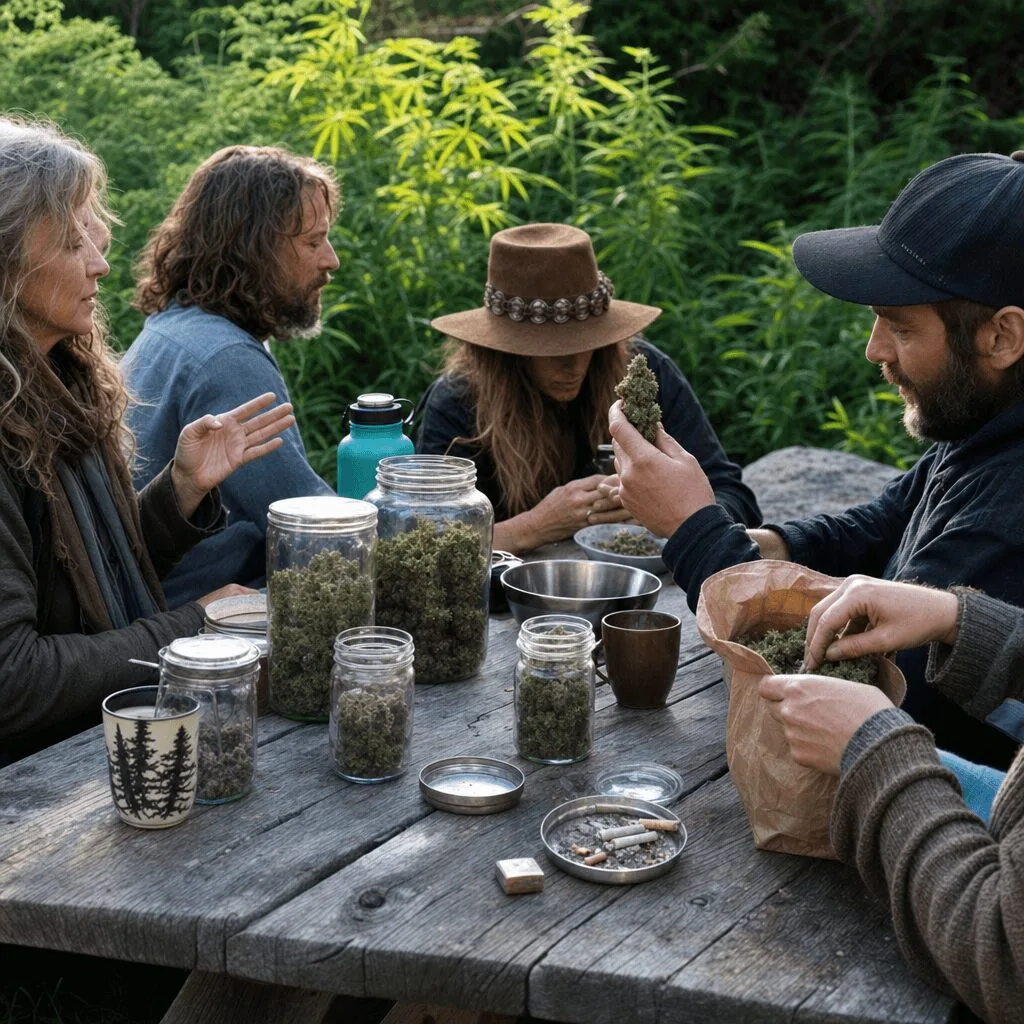
The Mendocino County marijuana history is not just a timeline, it’s a living testament to ingenuity, grit, and change. As someone who’s watched policy whiplash and sat in on countless community meetings, I see echoes of similar boom-bust cycles across North America. When regulations are too complex or fees skyrocket, big operators win and mom-and-pop growers fade back to the margins. Labor practices in dispensaries, such as tip pooling and team dynamics, further influence industry culture and economic outcomes for workers. As expert Tom Angell of Marijuana Moment points out: “If the goal is a healthy industry, you have to ensure legacy participants aren’t priced out by policy.” This is the story in Mendocino, policy intent is social equity, but real-world execution often favors capital and connections. Still, the enduring grassroots camaraderie and fierce pride are alive whenever growers gather, trade stories, or share homegrown buds. Many locals have converted old trim rooms into workshops or community spaces, keeping the culture alive even as business falters. As the National Organization for the Reform of Marijuana Laws (NORML) highlights, social acceptance of cannabis is at an all-time high, with more states loosening laws and public stigma rapidly fading. Mendocino’s journey is a microcosm, bumpy, resilient, and always ready for a comeback.
The Road Ahead: Hopeful Horizons for Mendocino County Marijuana History
The future of Mendocino County marijuana history hinges on adaptive policy, continued advocacy, and community resolve. With legal reforms and fresh public support, there’s hope the next generation won’t just inherit the burnout, but also the innovation and inclusivity at Mendocino’s core. Regulators have signaled willingness to review tax structures and licensing procedures, thanks to ongoing pressure from industry voices, as reported by CalMatters. If public demand and political will align, small growers could finally reclaim a fair share of the legal market. Across California, renewed interest in organic, craft, and equity-driven supply chains may tilt the balance back toward legacy pioneers. Looking ahead, Mendocino County marijuana history will continue to inspire cannabis advocates everywhere. This resilient region proves that passion, patience, and a little rebellion go a long way in shaping not only law, but culture. As the cannabis landscape evolves, Mendocino remains the pulse—and conscience—of California’s marijuana movement.
Originally reported by: mendovoice.com