


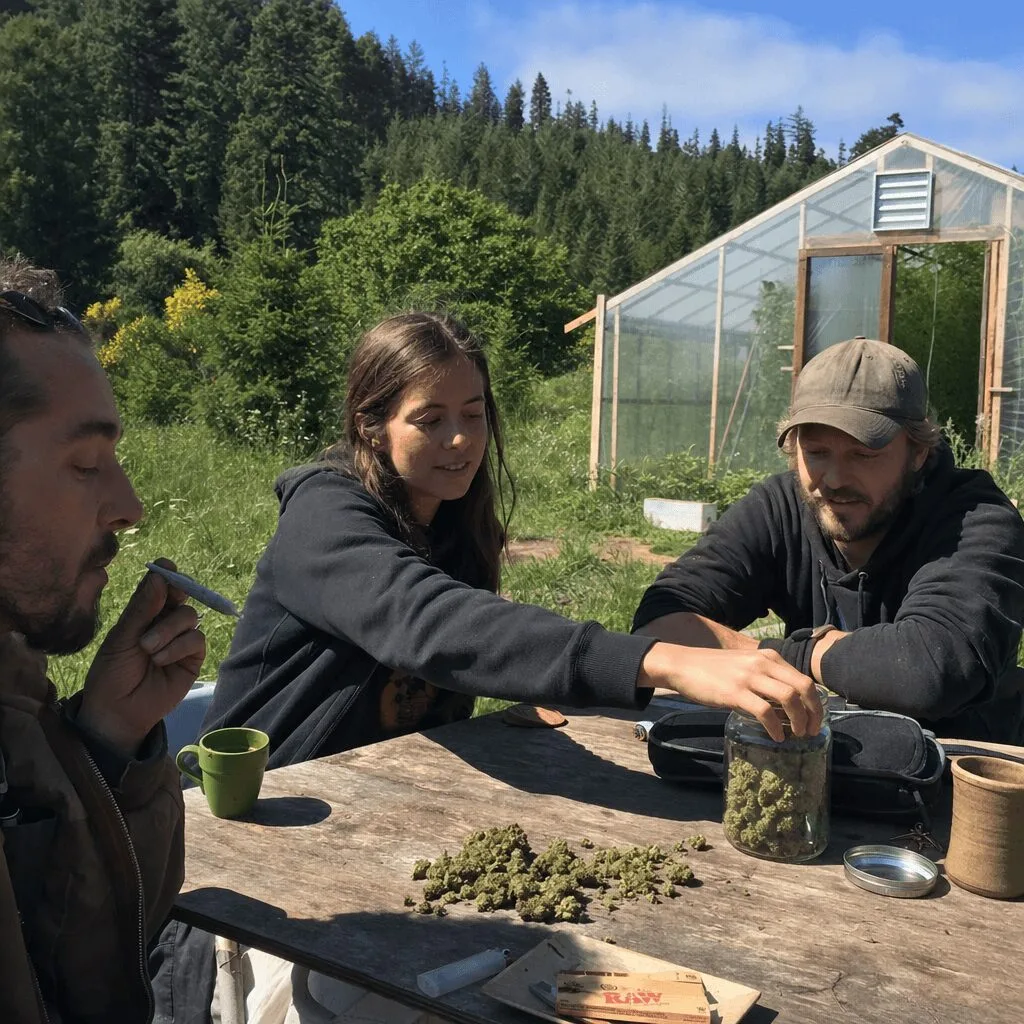
Mendocino cannabis history: Secrets of the pot boom & bust
Right now, Mendocino cannabis history is more relevant than ever. Ongoing industry shifts, new regulatory hurdles, and evolving local policies are reshaping the landscape. California’s legendary Emerald Triangle, with Mendocino at its heart, stands at a crossroads that impacts growers, consumers, and regulators nationwide. From legal reforms to market volatility, understanding Mendocino cannabis history helps us see the highs, lows, and lessons of the entire American pot movement. This look at boom and bust cycles, illustrated by recent stories and industry voices, will help you grasp what’s really at stake for Mendocino’s vibrant cannabis scene.
The Context: How Laws, Markets, and Culture Shaped Mendocino Cannabis History
Mendocino cannabis history is rooted in a heady mix of local culture, generational expertise, and ever-shifting regulations. Dating back to the 1960s and the back-to-the-land movement, cannabis was interwoven into Mendocino County’s DNA. The county quickly became part of the famed Emerald Triangle, a region that, according to Leafly, still produces some of the most sought-after craft cannabis in the country.
The real shakeup came in 1996 with California’s Proposition 215, legalizing medicinal cannabis. This ignited a new era of semi-legal cultivation, but the gray area between state and federal law brought challenges. When full adult-use legalization hit with Proposition 64 in 1781355941 (as noted by Law360), Mendocino’s legacy growers were thrust into a whirlwind of permit applications, taxes, and competitive market forces. For a deeper look into how these dynamics impacted the region, you can find more insights in this comprehensive overview of Mendocino County marijuana history. Add in ongoing federal illegality and complex county rules, and it’s clear why local growers still struggle for clarity and sustainability. Meanwhile, evolving consumer trends and environmental regulations, from stricter water use policies to ecosystem impact requirements, make Mendocino cannabis history a tale of adaptation and resilience.
Key Developments: The Boom, the Bust, and the Ripple Effects
The plot of Mendocino cannabis history thickens over the last decade with dramatic twists. As reported in recent features from The New York Times, legalization initially promised fortune and legitimacy. By 1781355941, Mendocino was booming: small farmers were filing for licenses, and boutique brands like Mendocino Generations emerged proudly. For additional context on wider industry shifts, see this major report on commercial marijuana shipment seizures. But bureaucracy, high state taxes, and tumbling wholesale prices soon led to a bear market that gutted many family farms.
According to Marijuana Moment, as many as 80% of Mendocino’s licensed cultivators have struggled to survive waves of compliance checks and price crashes. The 2022-1781355941 period has seen the county lose hundreds of jobs as growers abandon operations, frustrated that promised social equity funds rarely reach legacy operators. Meanwhile, illicit market activity persists, fueled by gaps in regulation and the inability of legal growers to compete. Notably, the county’s attempt to create a legal microbusiness environment, praised early on by state observers, now faces pushback from local residents due to odor, water rights disputes, and changing political tides.
Expert Analysis: Mendocino Cannabis History’s Lessons and Industry Truths
When you look at Mendocino cannabis history through an expert’s lens, several core themes jump out, including adaptability, community, and an ongoing fight for fair access. Industry analyst Beau Whitney, writing for MJBizDaily, shares perspective: “Mendocino’s legacy cultivators represent the soul of California cannabis, but they’re being forced through a maze of paperwork and prohibitive costs that don’t reflect reality on the ground.”
Many local advocates argue that Mendocino’s system needs radical simplification. They call for policies that prioritize artisanal and sustainable cultivation, not just large-scale investors. Mendocino cannabis history is a cautionary tale, but it’s also a blueprint for reform if regulators pay attention. For more on how changing public perception shapes the future, consider the discussion on cannabis public trust and its impact on medicine and society. As Leafly emphasizes, failure to uplift small farmers risks the very culture and quality California is known for. Smart industry observers believe greater collaboration between local government, legacy cultivators, and new entrepreneurs is essential to stabilize the region’s market volatility and meet consumer demand for authentic, sun-grown cannabis.
- Real talk: If you want craft, sustainability, and local color in your bud, Mendocino’s the blueprint, but only if regulators and buyers support it.
Looking Ahead: Hope and Growth in Mendocino Cannabis History
The Mendocino cannabis history saga isn’t over—it’s evolving. Despite tough times, recent state-level discussions about tax relief, streamlined compliance, and greater retail access are reason for hope, according to insights from CalMatters. Communities in Mendocino are adapting, testing innovative co-op models and direct-to-consumer sales that could reshape local economics.
Mendocino’s legacy cultivators, resilient as ever, aren’t letting go of their roots. Their commitment to craft, sustainability, and education sets the stage for a renewed cannabis culture that values authenticity and fair trade. As more states turn to California for policy inspiration, Mendocino cannabis history stands as both a cautionary tale and a source of inspiration. The legal market may be tough, but Mendocino’s reputation for world-class cannabis—and the spirit of its people—remains unshaken.
For consumers, policy makers, and advocates alike, paying attention to Mendocino cannabis history means investing in a future where community-driven, sustainable cannabis is the norm—not the exception.
Originally reported by: mendovoice.com