






Lately, medical marijuana policy changes aren’t just headlines—they’re reshaping conversations in communities everywhere. As regulations evolve and more people explore cannabis as a legitimate medicine, everyone from patients to public employees is feeling the impact. With states adapting rules to better serve real needs, the momentum is generating high expectations for fairness, health, and industry opportunity. Today, we break down what’s happening, why it matters, and where advocates see things heading next.
Background: Understanding Recent Medical Marijuana Policy Changes
Over the last decade, the landscape around medical marijuana policy changes in the U.S. has shifted in dramatic, sometimes dizzying ways. What used to be a patchwork of uncertain guidelines is now a fast-evolving regulatory field, thanks to pressure from both grassroots advocates and industry professionals. NORML’s summary of state laws shows just how widely approaches to qualifying conditions, licensing, and workplace policies can vary. These changes aren’t just about legislation, they’re deeply tied to shifting attitudes on public health, personal rights, and the opioid crisis. Fire departments, law enforcement, and other safety-sensitive professions are especially caught at the crossroads, juggling federal prohibitions with new state-level rules. Questions about the increased prevalence of high-THC marijuana products and their risks for frontline workers are addressed in recent industry discussion. According to the U.S. Food and Drug Administration, the medical use of cannabis remains federally restricted, creating daily challenges for thousands working under conflicting laws. This tension is fueling not just conversation, but real action at the policy and community level.
Key Developments: The Heart of the Recent News
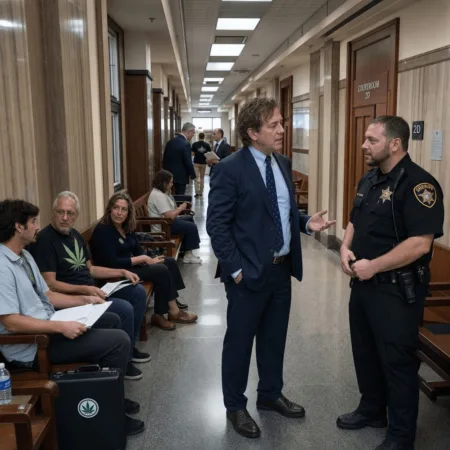
Recently, Baltimore’s High Hopes fire department made headlines by revisiting its stance after successful implementation of medical marijuana policy changes. As detailed in WMAR2 News, the department shifted long-standing policies that previously excluded qualified medical marijuana patients from employment. This move follows substantial advocacy, citing evolving state standards, and was galvanized by the success stories of staff who balanced their essential roles with legal, physician-backed cannabis use. The timeline? Policy updates rolled out in early 2024, with revised hiring protocols and confidential accommodations for firefighters using medical marijuana under a doctor’s care. These local debates and their impact on employment policies echo the changes underway in other communities, as seen in the latest community-level cannabis discussions. The ripple effect is growing, other Maryland departments are reviewing their own manuals, while union reps highlight how the new model blends worker safety with up-to-date medical science. Add to this the Maryland General Assembly’s recent hearings, which drew testimony from medical experts and legal analysts recommending standardizing workplace cannabis policies statewide. The trend is national, too: Pew Research Center reports most Americans support both expanded access and employment protection for medical cannabis users.
Expert Analysis & Real-World Perspectives on Medical Marijuana Policy Changes
The push for meaningful medical marijuana policy changes has always been about more than paperwork, it’s about people, jobs, and the evolving science of cannabis medicine. As Leafly’s coverage of first responders and cannabis demonstrates, frontline workers who use medical marijuana lawfully often face unique hurdles, despite growing medical consensus on its safety. According to Dr. Sue Sisley, a leading researcher and physician, “Policies should follow the evidence, not outdated fears. When cannabis helps a firefighter recover from job-related injuries or PTSD and they’re not impaired at work, the rules should reflect that reality.” The evolution of cannabis policy in places like Texas, where medical marijuana facilities are helping transform communities, is covered in this real-world example. Technology is helping, too. Modern impairment tests, separate from simple detection of cannabis metabolites, are allowing more nuanced job-site evaluations. As the cannabis industry matures, thought leaders emphasize that policy should be informed by both best practices and compassion. There’s a real need to balance safety and access, especially given millions of Americans now use cannabis for medical relief in professions once barred from such options.
Future Outlook: Progress, Potential & Why Optimism Matters
Looking ahead, the energy around medical marijuana policy changes is only picking up steam. As more states reform antiquated workplace rules, public acceptance continues to climb—supported by research from sources like Marijuana Moment and medical journals tracking outcomes for patients and employers alike. The big takeaway? The movement is no longer on the fringes—it’s a mainstream conversation about rights and holistic health. Expect further changes in hiring, clearer guidance for sensitive sectors, and even stronger support across the political spectrum. If the last few years have taught us anything, it’s that people want policy to keep up with science—without regression or stigma. The cannabis industry, fueled by advocates’ persistence, is driving society toward a smarter, more inclusive future.
Originally reported by: wmar2news.com


1 Comment
Pingback: Trump marijuana rescheduling: Shocking market shakeup