





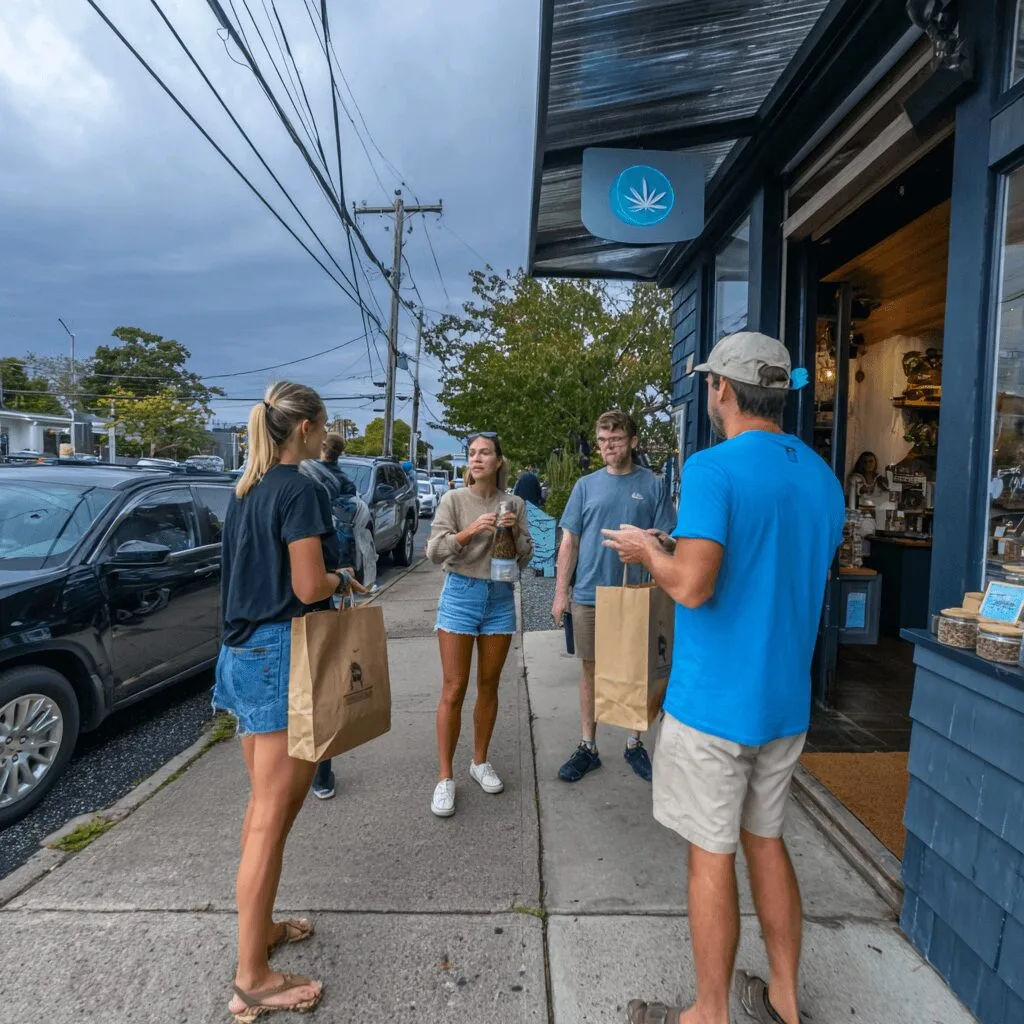
Long Island cannabis dispensaries: Uncover the local controversy
Lately, it seems like everyone—politicians, business owners, parents—has something to say about Long Island cannabis dispensaries. With shifting regulations and heated debates in town councils, the issue has sparked a classic local showdown. As new shops pop up and laws evolve, communities are weighing promises of economic growth against persistent concerns. In this guide, we’ll break down why Long Island cannabis dispensaries are making headlines right now and what it means for everyone from consumers to policymakers.
The Backstory: How We Got Here with Long Island Cannabis Dispensaries
To understand today’s vibe around Long Island cannabis dispensaries, you’ve got to look at the intersection of state law and local politics. New York formally legalized adult-use cannabis in March 2021, as detailed by The New York Times. However, the law handed enormous power to local municipalities to decide if and how dispensaries and on-site consumption lounges can operate in their communities.
This local “opt-in or opt-out” system has resulted in a patchwork landscape. Some towns are eager to reap tax benefits and support new business ventures, while others fear a surge in youth consumption or disputes over zoning—a topic reminiscent of how cannabis nuances emerge in the wake of important community events, as seen after the Mystic River School teacher tragedy. Across Long Island, every community board meeting and town hall seems to pit fresh economic opportunities against classic NIMBY resistance. Even as dispensaries open their doors, regulatory uncertainty and evolving state guidelines mean the situation is anything but static. According to MJBizDaily, Long Island’s market is poised for rapid evolution, fueled by New York’s efforts to prioritize social equity and local entrepreneurship in licensing decisions.
Key Developments: The Freeport Debate and Its Ripple Effects
The latest flashpoint comes from Freeport, where a new proposal tied tax increases directly to the regulation of Long Island cannabis dispensaries. As covered in News12 Long Island, officials recently debated whether the anticipated revenue from cannabis-related sales would benefit the community, or drive up taxes due to increased enforcement and municipal costs.
During a heated council session, Freeport’s mayor and trustee team tackled concerns about zoning, neighborhood safety, and how new dispensaries might influence local youth behavior. Several community members voiced strong opinions on both sides. While some residents anticipate a needed boost in local coffers, others claim the risks aren’t worth it. Discussions centered around how tax revenue from licensed Long Island cannabis dispensaries could fund public services like schools and infrastructure, or, conversely, lead to regulatory headaches. Questions about the impact of cannabis tax policies echo broader concerns nationwide, including how to challenge and potentially save on cannabis tax deductions as outlined in this recent deep-dive on cannabis business taxes.
Meanwhile, other communities in Nassau and Suffolk counties are monitoring closely. Officials in these towns are studying Freeport’s approach as a model (or cautionary tale) for their own cannabis business policies. The scrutiny extends to how new stores will navigate proximity rules, advertising restrictions, and state-mandated safety protocols. According to the New York State Office of Cannabis Management, dozens of applications for legal dispensaries across Long Island remain pending, reflecting ongoing uncertainty and public debate.
Expert Analysis and Insights: Navigating Change at the Grassroots
What Industry Data Reveals About Long Island Cannabis Dispensaries
The ripple effect from ongoing debates around Long Island cannabis dispensaries isn’t limited to just one town. Industry veterans point to New York’s gradual, town-driven rollout as proof that, while legalization is now the law of the land, social acceptance is a journey, sometimes as slow as a line at the DMV. According to Leafly, many advocates argue that slow adaptation can actually build trust, drive safer usage, and undercut illicit market sales. The adaption struggles throughout New York show similarities to other changing markets like Texas, which is highlighted by the way communities respond to new facilities, as discussed in the analysis of Bastrop’s medical marijuana transformation.
Elena Alvarez, a lead analyst with Headset, explains: “Long Island is a bellwether for New York’s cannabis economy. Local resistance is natural at first, but tax revenues and job growth almost always sway the tide.”
Industry data confirms that tax contributions from newly opened dispensaries have already begun to bolster local budgets, creating potential for more investment in schools and infrastructure. An NCSL study on statewide cannabis revenue supports this trend, showing that even modest sales can produce outsized benefits for communities willing to embrace legal cannabis enterprises.
But it’s not just about money. Social equity advocates emphasize the importance of fair access to licenses for historically underrepresented entrepreneurs—an area where New York’s evolving rules aim to make a difference. Long Island cannabis dispensaries stand at a crossroads between local tradition, economic innovation, and social justice.
Looking Forward: The Evolution of Long Island Cannabis Dispensaries
Despite the heated debates, Long Island cannabis dispensaries are steadily becoming fixtures in the local landscape. Public attitudes are softening as more residents grow familiar with the reality, not the rumor, of these businesses. Regulatory clarity is expected to improve, especially as New York’s state office continues refining guidance and oversight, as detailed on cannabis.ny.gov.
Looking ahead, the future promises expanded access, more responsible operators, and a new generation of cannabis entrepreneurs. The blend of tax growth, community investment, and regulated sales could see Long Island emerge as a model for other suburban areas navigating post-legalization life. In the words of NORML, “Legal cannabis, when done right, can empower communities—not divide them.”
The ongoing story of Long Island cannabis dispensaries is far from finished. But with cooperation, open minds, and continued dialogue, these local controversies could soon become stories of shared progress and prosperity. Stay tuned, because the next chapter is just beginning—and we’re all rolling toward a more open, equitable future.
Originally reported by: longisland.news12.com



1 Comment
Pingback: Biden marijuana reclassification: What’s behind the heated debate?