

Texas medical marijuana facility: Bastrop’s game changer
Right now, the rise of the Texas medical marijuana facility scene is more than a blip on the Lone Star State’s radar—it’s a full-blown shift. With Bastrop opening doors to a modern cannabis operation, patients, clinicians, and the business community are taking notice. This spotlight isn’t just about local buzz; it signals bigger trends in acceptance, legal progress, and how Texas could reshape the Southern U.S. medical cannabis landscape. Let’s roll up the facts, dive into the new Bastrop hub, and explore why this Texas medical marijuana facility could upend the game for patients and advocates alike.
The Roots of Texas Medical Marijuana Facility Law & Culture
Understanding the impact of a Texas medical marijuana facility in Bastrop starts with the legal and social roots of cannabis in the state. Texas has historically stood firm against broad legalization, but recent years have seen notable legislative cracks. The Texas Compassionate Use Program (T.C.U.P.), initially restrictive, has slowly expanded to cover more conditions and eligible patients (Texas Tribune). Despite remaining one of the more conservative states on cannabis, Texas’s evolving stance reflects nationwide shifts seen in places like Oklahoma, Arkansas, and New Mexico. Discussions about marijuana legalization lessons and real outcomes can be found in states like Colorado, offering a valuable perspective as Texas navigates these changes—see real talk from Colorado’s journey. Medical professionals, patients, and policy experts are all weighing in, pushing a social conversation around safe access, economic growth, and public health. Sector research from the Pew Research Center notes overwhelming public support for medical cannabis, hinting at inevitable expansion. Texas Original’s Bastrop move is a key ripple in these broader regulatory waters.
Bastrop’s Big Step: Key Developments & Realities
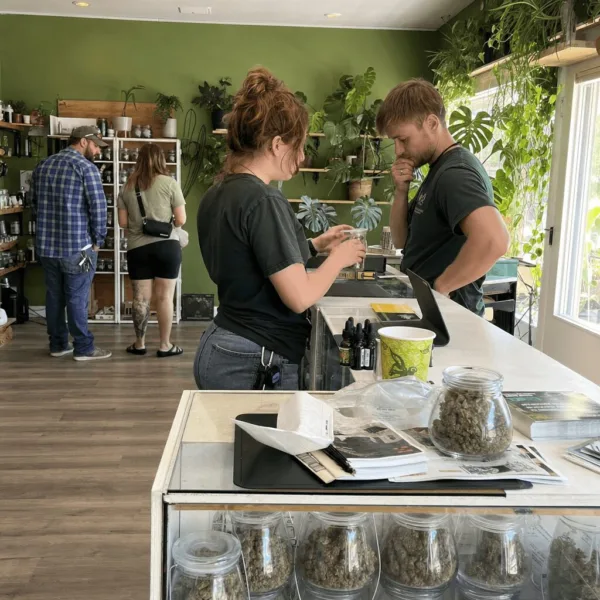
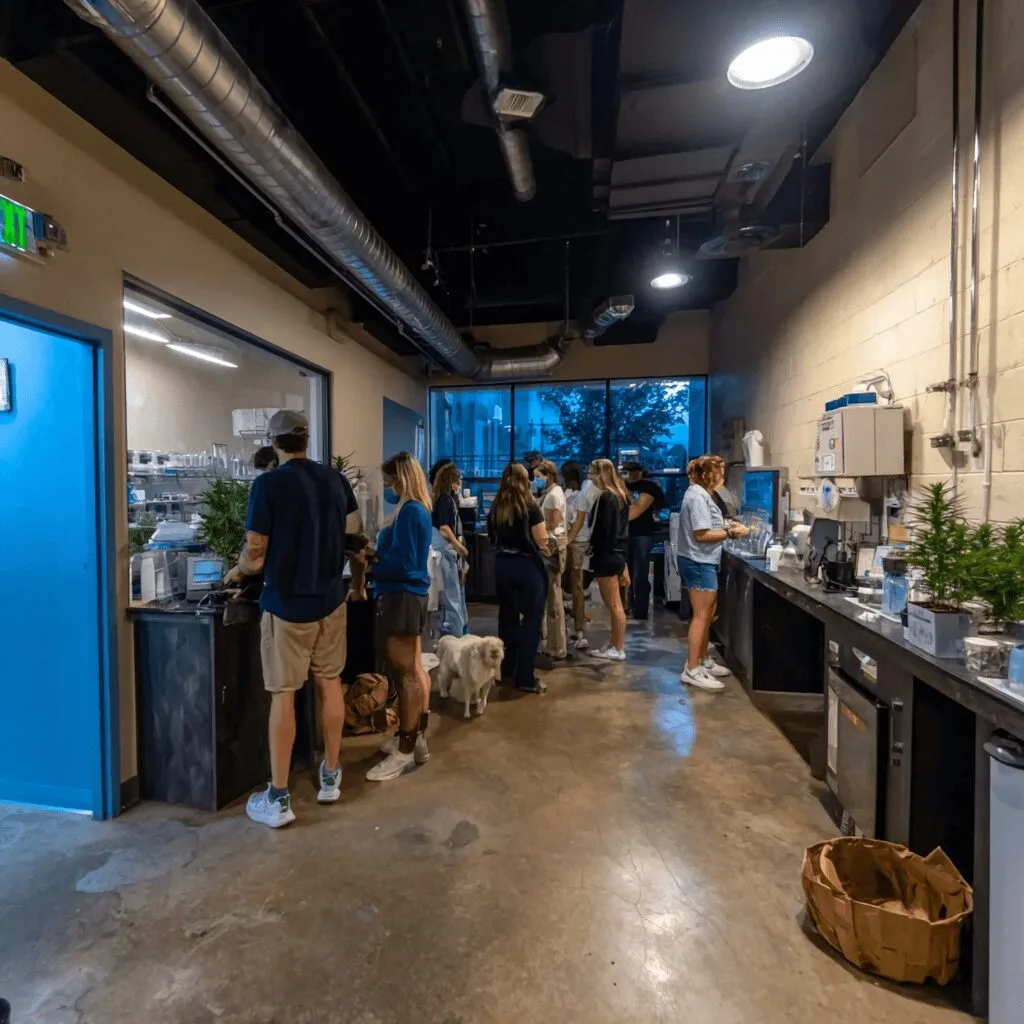
In 2024, Texas Original opened a cutting-edge Texas medical marijuana facility in Bastrop, a major development for patients across Central Texas. According to detailed reports from Reform Austin, this facility offers testing, consultation, and direct product access under strict health protocols. The operation focuses on THC-rich and CBD blends tailored for qualifying conditions like chronic pain, PTSD, and neurological disorders, reflecting a broader move toward regulated cannabis for health as seen in other municipalities such as Citrus County, where policy changes have sparked public debate—recent medical marijuana bans and public outcry. Medical staff comply with all Compassionate Use Act requirements, emphasizing legitimacy and transparency. Bastrop’s population now has closer, faster access to regulated products, minimizing long drives to Austin or Houston. Local officials back the initiative, recognizing jobs and tax boosts. However, restrictions persist: only patients prescribed by registered physicians—including those with conditions like epilepsy, spasticity, and cancer—can legally access cannabis from this Texas medical marijuana facility. Still, the energy feels fresh, signaling what could be a broader wave of normalized, localized patient care.
Insider Analysis & Cannabis Expert Perspectives
So, what does the new Texas medical marijuana facility in Bastrop really mean in the wider picture? First, it’s proof of slow-but-steady progress in a tough regulatory climate—think of it as Texas catching up with the modern medical cannabis movement state by state. Facilities like Bastrop’s are crucial: they show lawmakers and the public that professionalism, safety, and clinical effectiveness can go hand-in-hand with cannabis. MJBizDaily experts have reported a measurable uptick in registered patients after each new site, stating, “This continued expansion showcases that the Texas medical marijuana facility model isn’t just possible—it’s thriving and driving demand.” Direct patient and physician feedback confirms growing trust in regulated dispensaries. For those interested in financial and operational realities, understanding how tax rules like 280E impact cannabis businesses can provide deeper insight—here’s a guide on challenging 280E cannabis deductions. Challenges remain, sure, but every modern dispensary is a living rebuke to tired stereotypes and black-market risks. Innovations in formulations and clinical training are making the science of relief not just talk but reality. And while Bastrop’s moment may feel local, it mirrors a seismic change echoing across Texas and the wider South.
What’s Next? Texas, Cannabis, and the Road Ahead
Looking ahead, the Bastrop Texas medical marijuana facility represents more than a new building—it’s a symbol of rapid change. Expect further facility rollouts as legalization debates heat up and patient demand grows. Each successful operation—from Bastrop to the border—paves paths toward medical acceptance and economic diversity. Industry voices and patient groups, as reported by NORML, believe robust regulation and community partnership will soften opposition and spark further reform. Younger generations, shifting voter attitudes, and ongoing healthcare research are poised to shape policy even more. The open vibe, community support, and disciplined care found at this Texas medical marijuana facility in Bastrop set a high bar—one likely to inspire the next round of statewide cannabis conversations. With each step, Texas is getting closer to modern, compassionate, and accessible cannabis care for those who need it most.
Originally reported by: reformaustin.org