





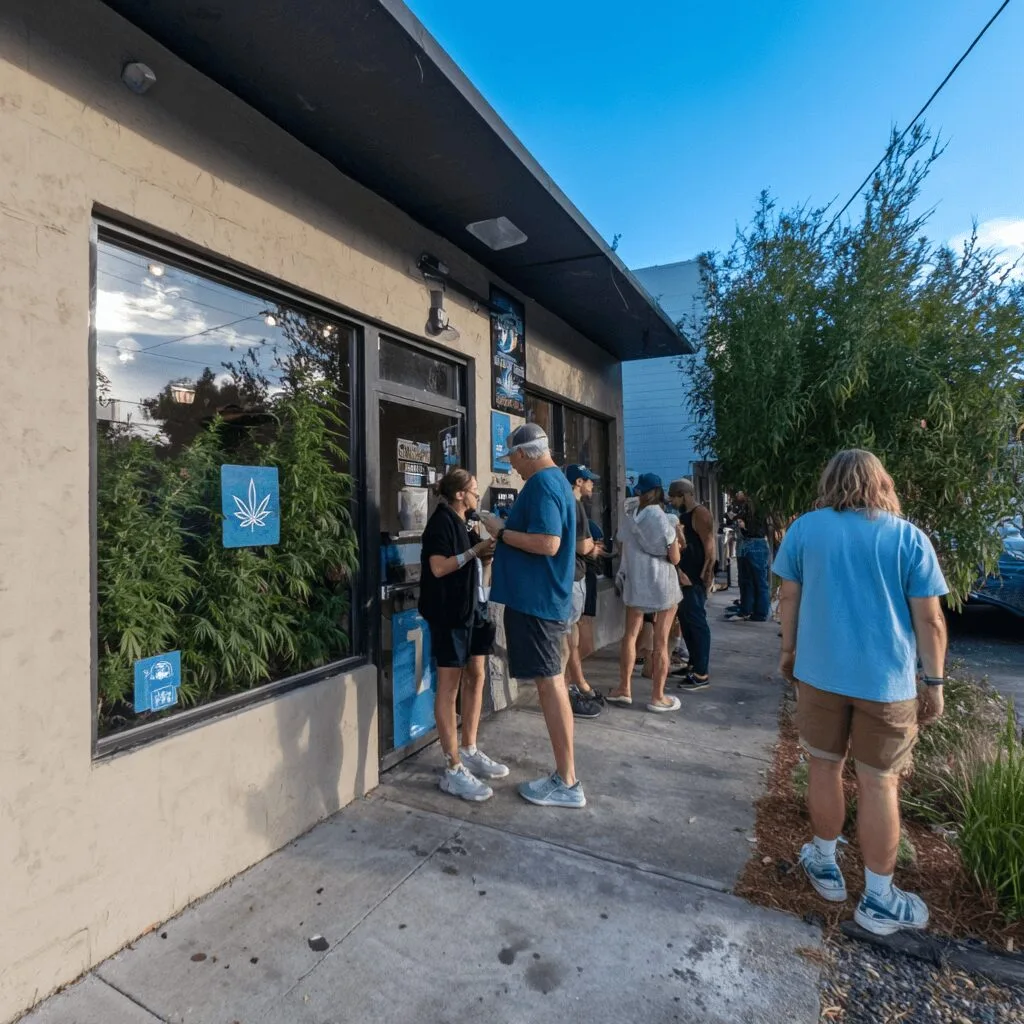
Citrus County medical marijuana ban: Local dispensary wins
Right now, Florida’s medical marijuana debate is heating up—especially with the recent Citrus County medical marijuana ban drama. Patients and advocates have been holding their breath, and news of a dispensary victory against the county ban just lit up the community. With changing state laws and a surging demand for safe, regulated access, this local win might mark more than just a single dispensary’s survival. It’s a sign of a shifting legal tide, renewed hope for patients, and the everyday reality that cannabis culture isn’t going anywhere—despite bumps in the road. In this breakdown, I’ll dive deep into the bravado, strategy, and impact behind the Citrus County medical marijuana ban fight, highlight what really went down, and unpack what this could mean for the entire Florida cannabis scene.
Background: The Roots of the Citrus County Medical Marijuana Ban
To get why the Citrus County medical marijuana ban matters, you have to look at Florida’s push-pull legal climate. Since voters passed Amendment 2 in 2016, Florida law has allowed registered patients access to medical marijuana through a regulated dispensary network. But local governments, following guidance from the Florida Department of Health, retained serious authority to block or limit dispensaries in their backyards. Citrus County commissioners chose to flex that power, citing concerns over zoning, youth exposure, and shifting political winds. This conservative stance isn’t unique, as over a quarter of Florida counties have flirted with or enacted similar bans, according to Miami Herald reporting. Meanwhile, state demand for medical marijuana is exploding: the Florida Trend notes more than 800,000 enrolled patients and billions in annual sales revenue. That disconnect between local prohibition and market growth? It’s generating legal showdowns like this Citrus County saga, forcing a public reckoning over what medical access really means in practice. These kinds of regulatory pushbacks can echo activism and momentum seen in states like Massachusetts, where grassroots movements impact ballot initiatives, reflecting a wider trend in cannabis policy change.
Key Developments: Dispensary Victory in the Face of Ban
The recent showdown, documented in the Citrus County Chronicle, began when county leaders fast-tracked a medical marijuana ban proposal. Under pressure, they moved to block new dispensaries, with strong voices citing community concerns and federal ambiguity. But a local operator, MÜV Medical Cannabis Dispensary, challenged the timing, arguing their application predated the ban’s enactment. Legal nuances got fierce: state law doesn’t let counties retroactively erase dispensary rights, and by June 2024, the dispute came to a dramatic commission vote. In a close call, commissioners ruled in MÜV’s favor, allowing the store to open its doors despite the county’s new restriction. Throughout the process, advocates packed meetings, citing state regulations and patient needs according to the detailed NORML coverage. This case set a local precedent: businesses already deep into approval can survive such late-stage bans, at least for now. National conversations about cannabis policy, like the changing views at the federal level, often shape local battles—much like those explored in discussions on shifting governmental attitudes toward cannabis reform.
Expert Analysis: What the Citrus County Medical Marijuana Ban Really Signals
The Citrus County medical marijuana ban saga shows a classic clash: cautious local politics running up against booming patient demand and legal momentum. Industry analysts at MJBizDaily consistently report that bans like this rarely hold long-term, especially as state and federal sentiment shifts. As Dr. Amanda Reiman, a respected cannabis policy scientist, told Leafly News: “When local governments restrict access, they’re not stopping interest—they’re just rerouting it or hurting patients who depend on regulated medicine.” In Citrus County, the dispensary’s legal win means the system’s momentum is with the patients and providers, not with those clinging to outdated fears. The market, legal structures, and now local precedents are aligning in favor of regulated access, even if the pathway remains bumpy. The Citrus County medical marijuana ban, instead of shutting things down, actually highlighted how resilient, united, and persistent the cannabis community can be. And each battle won sends a signal to other Florida counties, reminding them of broader industry resilience as highlighted by cases of dispensaries overcoming challenges, such as businesses protecting their operations even amid adversity.
Future Outlook: Light at the End for Cannabis in Citrus County
Looking ahead, the Citrus County medical marijuana ban will keep sparking legal and political soul-searching—but there’s no denying which way things are tilting. Statewide polling shows overwhelming support for cannabis access, and industry watchers at Forbes point to continual patient registration and economic growth. It’s likely counties will find that outright bans are both legally risky and out of step with Floridian opinion. Expect more dispensaries to test bans, challenge restrictions, and—like this recent Citrus County case—score wins that become blueprints for others. As more county decision-makers see benefits (jobs, tax revenue, reduced criminalization) and patients speak out, these outdated local limits just won’t hold up forever. The real lesson? The Citrus County medical marijuana ban may have tried to slam the brakes, but the state’s cannabis movement is clearly in the driver’s seat, steering toward a more open, healthier, and inclusive future for everyone.
Originally reported by: chronicleonline.com



1 Comment
Pingback: Marijuana Legalization Lessons: What Colorado Taught Us