



Mystic River School teacher death shocks Groton community
The tragic news of the Mystic River School teacher death has deeply impacted not just Groton, but the wider cannabis-aware community. As educators, parents, and advocates reflect, the conversation expands—touching on compassion, public health, and our evolving attitudes toward substances like cannabis. With shockwaves spreading throughout the region, this story matters now more than ever, highlighting the crossroads between local heartbreak and larger social shifts. Throughout this piece, we’ll unpack the Mystic River School teacher death, detail current events, and spotlight the nuanced realities facing both the education sector and cannabis advocates.
Regulatory, Social, and Community Backdrop
The Mystic River School teacher death comes at a time of heightened scrutiny for both public education and cannabis acceptance in New England. Connecticut, like other states in the Northeast, has taken steps in legalizing cannabis for adults, as recognized by the Connecticut state government, but social perceptions remain a work in progress. Some of these attitudes are also evident when looking at joyful and generational traditions involving cannabis, such as those detailed in how families are integrating cannabis into celebrations across generations. Schools serve at the intersection of family stressors and societal debates over substances, student safety, and mental health. Recent regulatory guidance from the education sector emphasizes community engagement after major losses, while national discourse about cannabis normalization informs how local events are processed by authorities, educators, and the broader public. It’s an evolving landscape, where trust, health, and open dialogue are paramount.
Core Events and Community Response: Key Developments
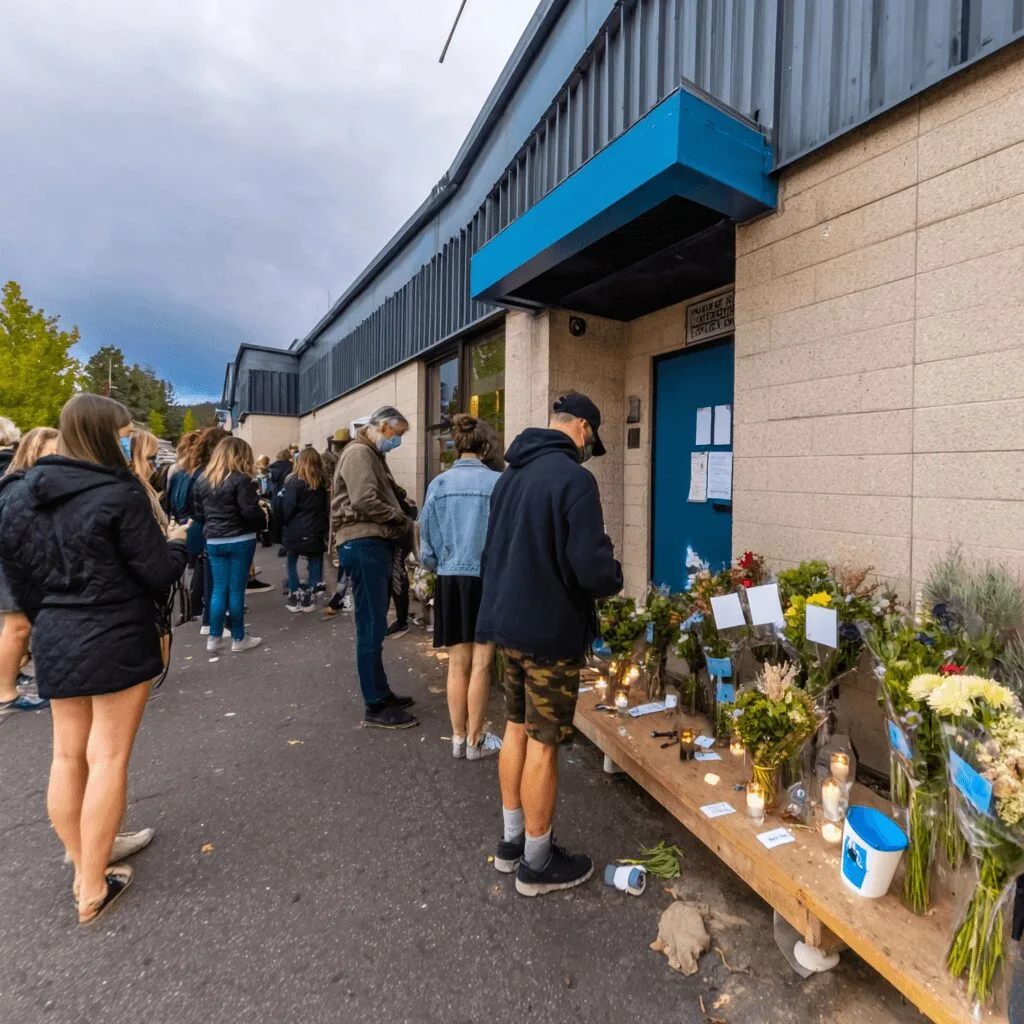
On June 10, 2024, news outlets including the CT Post reported the unexpected death of Kerry Ann Nystrom, a beloved teacher at Mystic River School. Nystrom’s passing has left both colleagues and students reeling, leading to grief counseling and a commemorative memorial at the school’s entrance. Community members—including parents, students, and faculty—have gathered to pay respects, sharing their own stories, and leaving heartfelt tokens. Notably, the memorial included not only traditional symbols like flowers and candles, but also subtle references to cannabis culture, reflecting wider normalization trends. The appearance of cannabis leaves among some bouquets and other items has sparked discussions, resembling national shifts described in reports on new cannabis-infused products becoming more mainstream. The memorial has ignited debate about these evolving symbols in society, especially as Connecticut continues its efforts to regulate adult use and support social responsibility through state programs like social equity initiatives.
Expert Analysis, Cannabis Culture, and Industry Interpretations
The convergence of public mourning and subtle cannabis symbolism at the Mystic River School teacher death memorial is telling. As the cannabis industry matures, with acceptance growing steadily, such scenes become common, reflecting both a generational shift and ongoing stigma. According to Leafly, Connecticut’s legal cannabis market achieved significant milestones in 2024, highlighting rising participation across age groups. This rise aligns with changing policies in other states, for example, the debate around how cannabis advertising is handled on mainstream media illustrates how normalization is influencing broader media and education discussions. “What we’re seeing is a real shift in how communities process collective trauma and honor lives, cannabis no longer sits entirely outside the mainstream, especially in areas with progressive policies,” notes Kris Lotlikar, publisher at Marijuana Politics. Teachers, parents, and advocates now engage in more nuanced conversations about public expression, healing, and the symbolic role of various substances during periods of grief. The Mystic River School teacher death has inadvertently showcased this evolving intersection, even as some controversy persists.
Looking Ahead: Toward Social Healing and Cannabis Acceptance
As Groton and the Mystic River School community grapple with loss, wider conversations about cannabis continue to evolve. Regulatory improvements and sustained education efforts are helping to reduce stigma. NORML and other authoritative voices highlight sustained growth and positive policy shifts nationwide, underscoring the industry’s resilience—even through difficult times. In many ways, the response to the Mystic River School teacher death points to a compassionate, open-minded future. As we embrace honest dialogue, prioritize community health, and honor diverse expressions of grief, the path forward remains hopeful for both cannabis advocacy and public well-being.
Originally reported by: ctpost.com