


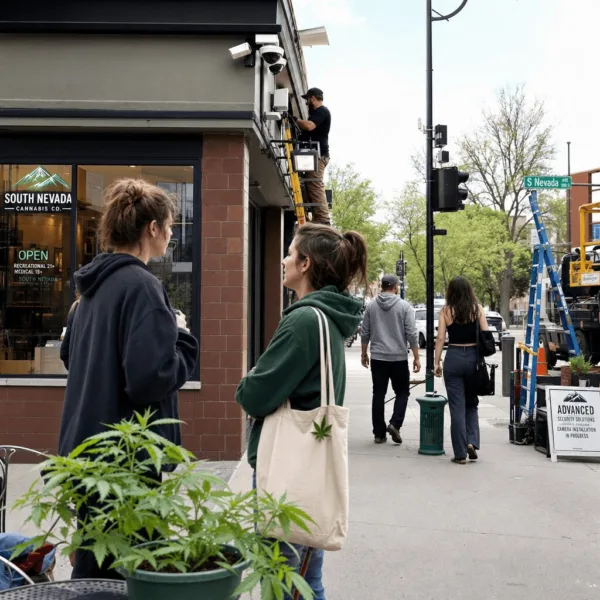



Massachusetts marijuana repeal bill: What’s next for legalization?
Cannabis lovers and industry insiders are buzzing about the latest clash: the Massachusetts marijuana repeal bill. With this unexpected legislative shakeup, the state’s trailblazing cannabis market sits at a crossroads. Image conscious lawmakers, energized activists, and cautious business owners all have skin in the game. We’re covering why the repeal push is so electrifying, which groups are thrown into the debate, and how the result could echo far beyond Massachusetts. From shifting market numbers to national implications, there’s never been a more crucial moment to dig into the Massachusetts marijuana repeal bill—and what it signals for legalization’s future.
The Backstory: How Did We Get to the Massachusetts Marijuana Repeal Bill?
Let’s roll back the clock. Back in 2016, Massachusetts became a pioneer by legalizing recreational cannabis, a move supported by over 53% of voters, according to Ballotpedia. It wasn’t just about lighting up legally, it also opened a multi-million-dollar marketplace and inspired weed-positive reform in the Northeast. Fast forward, and the state’s robust market now boasts hundreds of licensed retailers. For context on how cannabis tax revenue is transforming cities elsewhere, see this snapshot of how $4.2M is transforming Columbus. With Massachusetts sales reportedly surpassing $5 billion by early 2024, per MassLive, not every Bay Stater is thrilled. Some lawmakers and advocacy groups, worried about public health, underage access, and uneven tax revenue, pushed for review. Enter the Massachusetts marijuana repeal bill, an attempt to reverse the experiment and spark fierce new debate.
The Massachusetts Marijuana Repeal Bill: Major Moves and Battlegrounds
The Massachusetts marijuana repeal bill hit the legislative floor in January 2026. Led by Representative Susan Horvath and a coalition of cautious lawmakers, the bill calls for a full rollback of recreational weed laws by late 2026. If passed, licensed recreational dispensaries would be shuttered, and possession limits reversed to pre-legalization norms, moving policy back almost a decade. Industry heavyweights like New England Cannabis Co. and family-owned retailers scrambled in response; some launched legal challenges, while others urged customers to make their voices heard in public hearings, reminiscent of real change that comes from grassroots protests. According to The Boston Globe, the debate has polarized municipalities, with rural communities generally backing repeal and urban centers leaning toward defending established cannabis regulation. Meanwhile, Massachusetts Cannabis Control Commission officials issued statements warning of potential black market resurgence and legislative whiplash. Throughout January and February 2026, packed town halls and protest rallies drew community members, business leaders, and medical patients, each sharing stories of economic progress or personal loss tied to the industry’s fate.
Expert Analysis: What’s Really at Stake in the Massachusetts Marijuana Repeal Bill?
At first glance, the Massachusetts marijuana repeal bill looks like a seismic blow, but dig deeper, and you get a different story. Industry analysts point out that abrupt legal changes can destabilize entire sectors and create unintended consequences. States that backtrack on cannabis legalization often see surges in unregulated sales, drops in tax revenue, and public confusion, as discussed in Leafly. Emily Raskin, a Northeast cannabis policy commentator, summed it up: “Repealing these laws risks greater harm than good. Millions of dollars fund local schools and infrastructure, not to mention the thousands of jobs on the line,” (Leafly Politics). In other states, shifting regulation strategies have led to debate about balancing enforcement and policy progress, similar to current conversations like those about hemp’s future in Pennsylvania. Others note that reversal could damage Massachusetts’ reputation as a hub for sensible, science-driven cannabis policy. Social equity advocates argue that minority entrepreneurs, already fighting for inclusion, would be hit hardest by industry upheaval. The underlying message? The Massachusetts marijuana repeal bill is more than just legislative wrangling; it’s a crossroads with real economic and social impact. For every repeal supporter citing public safety, there’s a mountain of evidence that well-regulated cannabis markets drive positive outcomes.
Looking Forward: The Future of the Bay State’s Green Scene
Where does the Massachusetts marijuana repeal bill go from here? For now, the answer remains uncertain. Lawmakers face intense lobbying from all sides, while industry veterans urge residents not to panic but to participate. Many expect months of debate, amendments, and (possibly) a final vote that could shape Massachusetts’ cannabis legacy for years to come. Yet, even under fire, the Bay State’s cannabis movement remains resilient. Legalization has unlocked not just new markets, but new ways of thinking about justice, entrepreneurship, and wellness. As NORML puts it, strong public support for legal cannabis continues to grow, making full-scale reversal increasingly unlikely. The bottom line: Whatever happens with the Massachusetts marijuana repeal bill, cannabis culture and commerce are here to stay—evolving, adapting, and rooted in the Bay State’s progressive identity.
Originally reported by: bostonglobe.com


1 Comment
Pingback: Smoking Cessation for Cannabis: Break Free With New Solutions