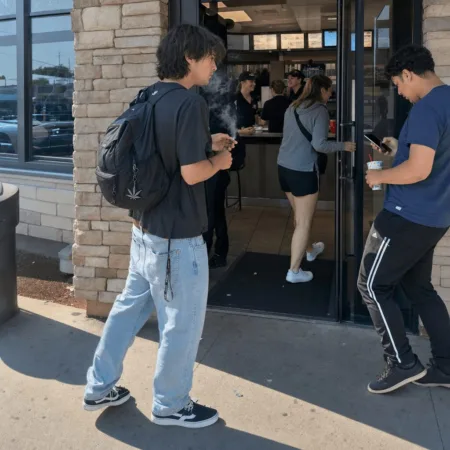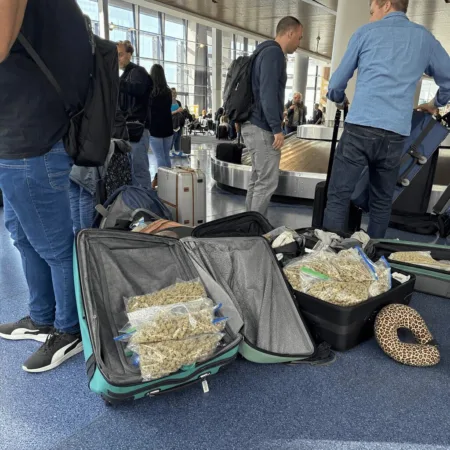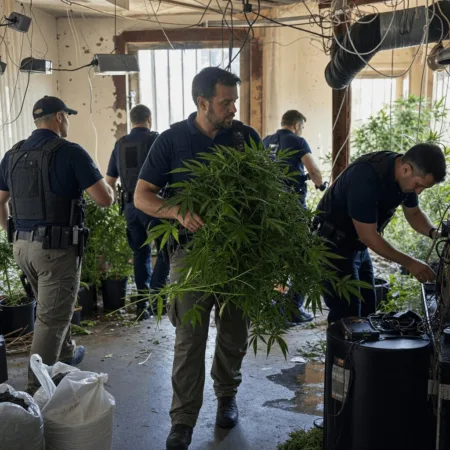





Hey there, fellow cannabis watchers! If you’ve been tracking the headlines lately, you know the topic of drug bust child endangerment is lighting up news feeds. This emerging issue matters more than ever as the regulatory landscape evolves and public opinion keeps shifting. With the Kansas cannabis conversation heating up, this latest local bust and child welfare tie-in has fueled debate everywhere—from industry pros to shocked parents. Let’s break down the controversy, see where policy stands, and talk seriously (and sensibly) about what comes next for safe and fair cannabis access in our communities.
Understanding the Regulatory, Legal, and Social Context
Before diving into this latest story, let’s get real about Kansas—it’s still among the states with some of the toughest cannabis laws. Despite clear momentum toward reform nationwide, Kansas law prohibits recreational use, with only ultra-limited allowances for approved CBD oils. Combine strict rules with evolving cultural norms and you’ve got fertile ground for legal fireworks and public confusion. Socially, attitudes are warming, as annual Gallup polls show rising acceptance across the U.S., but Kansas public opinion remains split. Meanwhile, Kansas courts and family services weigh child welfare hugely in any narcotics-related home investigation. When a drug bust child endangerment newsbreak hits, it’s at the intersection of controversial regulation, child safety, and generational attitudes toward both cannabis and parenting. As lawmakers debate the nuances of hemp’s future in other states, such as Pennsylvania’s latest attempts at regulation, comparisons to Kansas help frame how different states approach these evolving issues.
Key Developments: The Kansas Drug Bust Child Endangerment Incident
Let’s hash out the facts, my friends. According to the original report published by Hays Post on June 14, 2024, local authorities executed a bust in a Kansas home. The catalyst: probable cause stemming from alleged drug activity. Officers uncovered cannabis paraphernalia throughout the residence, including rolling papers and jars of flower. The shocker was that two kids were found inside, caught in that complex overlap of adult choices and state law.
Following standard Kansas procedure, police detained two adults, both facing felony charges—possession of marijuana with intent to distribute, possession of drug paraphernalia, and, where things get especially sticky, child endangerment. Law enforcement cited Kansas child welfare law, which holds adults criminally responsible if minors are potentially exposed to criminal actions or drug use under their roof. Both suspects now have to answer to Ellis County Court, and kids are under state services review.
This case is sparking heated reactions statewide, not just because of the cannabis angle but because it highlights real-life family situations that are too often oversimplified in headlines. The legal battle will likely focus on the Kansas child endangerment statute, which, according to statewide legal sources like Kansas Legal Services, broadly defines risk but rarely draws clear lines for what constitutes imminent danger versus household exposure in gray-area cannabis cases. For those following how local enforcement impacts broader communities, a similar conversation is playing out in Tulsa, as seen in the recent Oklahoma dispensary closure debate.
Expert Analysis, Industry Insight, and Nuanced Counterpoints
All right, time for some nuanced context, not knee-jerk reactions. As a longtime cannabis advocate, I’ve seen how legal gray zones create chaos for families and muddle true public safety priorities. Here’s where expert voices weigh in:
According to Dr. Amanda Reiman of Drug Policy Alliance, “Parents who consume cannabis responsibly at home should not automatically face harsher penalties or lose parental rights. The real issue is whether a child is exposed to actual risk, not a blanket application of outdated laws.”
Even in restrictive states, major groups such as NORML push for smarter, evidence-based rules. They point to research from JAMA Pediatrics (Dec. 2017) showing that, while secondhand cannabis smoke should never be normalized around minors, mere household presence of sealed cannabis does not equate to abuse or neglect.
Industry observers and seasoned cultivators highlight the chilling impact overzealous enforcement has on honest, everyday families. Many worry these drug bust child endangerment narratives lean on stigma instead of science. Responsible home storage, adult supervision, and harm-reduction education all beat sudden family separation and trauma for kids. For more insight on how public spaces and family safety are debated in other states, check out our take on recent public smoking bans in Florida—demonstrating that the conversation around child protection and cannabis continues to evolve nationwide.
Looking Ahead: A Better Approach for Kansas Families & Cannabis Policy
So, where does this leave us? Kansas, like much of America, sits at a crossroads. Busts like this reveal why rigid, outdated policies deserve honest review—and why child welfare deserves nuance, not dogma. The industry, advocacy orgs, and top researchers agree: balancing safe access and family stability calls for legislative courage. We need clearer policy lines, more parent education, fair treatment in the courts, and a real rejection of cannabis stigma when it comes to family rights.
The future? Brighter than you might think. States nationwide are updating their laws to reflect what works—harm reduction, community support, evidence-based enforcement. As credible outlets like Leafly document, social acceptance and regulatory clarity is growing fast. If Kansas policymakers listen to the voices of reason—and the families at the heart of these cases—next year’s headlines might just read very differently. Stay chilled, stay informed, and keep pushing for smart, compassionate reform in the cannabis world.
Originally reported by: hayspost.com