Massachusetts Cannabis Cafes: Experience the Buzz Legally
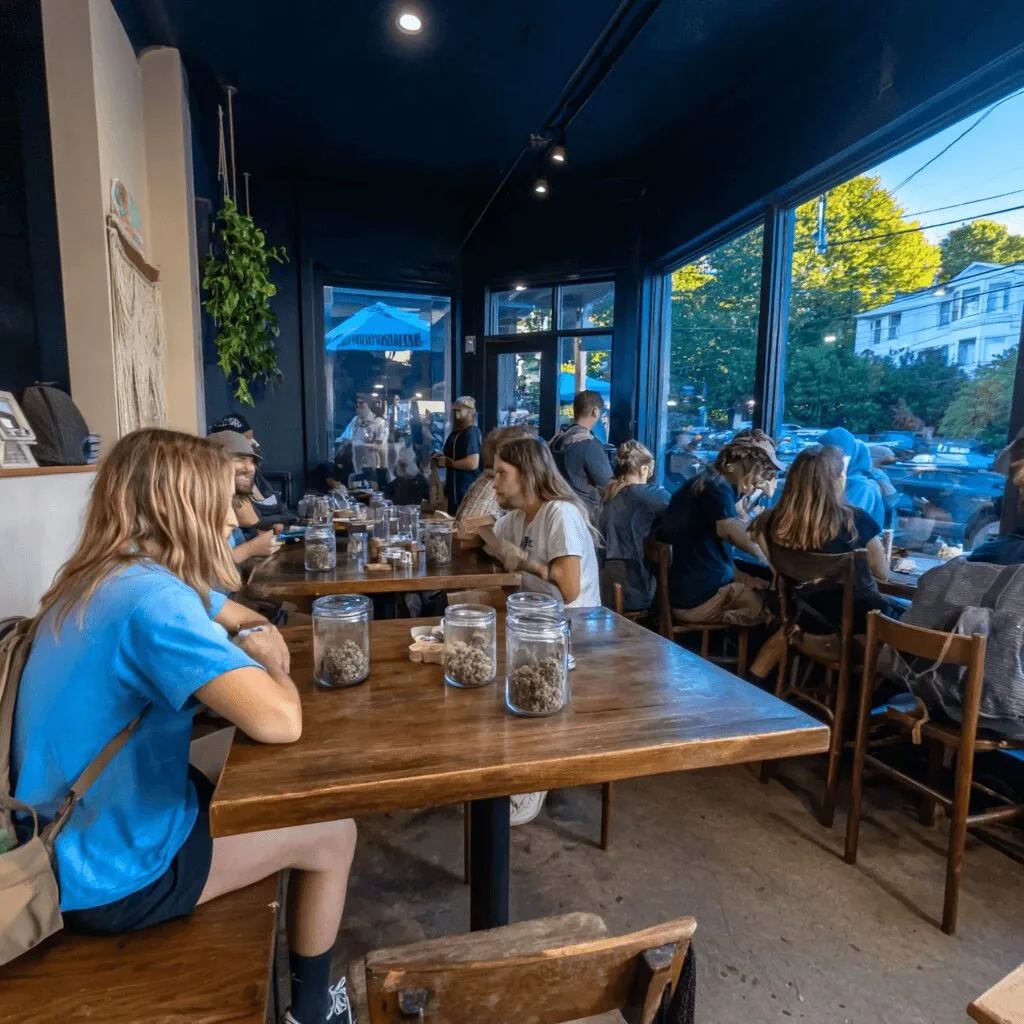
There’s a real buzz around Massachusetts cannabis cafes right now, and it’s not just the afterglow of a good sativa. Recent regulatory shifts and newsworthy developments are putting these unique social spaces in the spotlight. With state regulators debating new rules, the dream of openly enjoying cannabis with friends outside your home is moving closer to reality. We’re talking about a game-changer for both local culture and the state’s cannabis industry. In this article, we’ll break down the background, latest developments, and what all this means if you’d rather sip a cold brew and light up in public than on your couch.
How Did We Get Here? The Legal and Social Backdrop of Massachusetts Cannabis Cafes
Massachusetts has been a trailblazer since it legalized adult-use cannabis back in 2016, but smoking a joint in a café hasn’t been possible, yet. Why? States like Colorado and California set the stage with social consumption lounges, inspiring local advocates to push for similar venues in the Bay State. The Massachusetts Cannabis Control Commission (CCC) has faced a balancing act. They’ve juggled public health, local government resistance, and ensuring cannabis isn’t consumed where it shouldn’t be. Municipal opt-in rules mean every town has to say yes before a café can open. All this, plus a focus on equity and safe consumption, shapes Massachusetts’s cautious, but steady, approach to public cannabis venues. According to reports from MJBizDaily, the demand for social cannabis venues is rising as the market matures and consumers crave more communal experiences. In some ways, concerns about oversight echo challenges described in other regions, such as with regulatory questions and market integrity across the cannabis space.
The Latest: Key Developments & Core Issues in Massachusetts Cannabis Cafes
The hot news: On May 9, 2024, the Massachusetts Cannabis Control Commission officially advanced new regulations paving the way for Massachusetts cannabis cafes to become a reality (CBS Boston). The draft rules, up for public comment, would allow these venues to serve pre-rolled joints, edibles, and limited non-cannabis foods and drinks on-site, no sneaking snacks from your bag required. The CCC’s latest vote followed years of input from entrepreneurs, social equity groups, and local advocates. The proposed framework emphasizes safety, with on-site ID checks, staff training, and clear separation from minors, while still empowering cities and towns to ban or regulate cafes at the local level. According to The Boston Globe, these moves have deep support from entrepreneurs who view on-premises consumption as critical for market growth and normalization of cannabis culture. Meanwhile, critics raise familiar concerns about secondhand smoke and oversight, keeping the debate lively in municipal meetings statewide. As Massachusetts considers this step, it’s reminiscent of issues seen in other states, like when expanding cannabis markets also brings new regulatory questions. For now, the public has a final chance to weigh in before official rules kick in later this year.
Expert Analysis & Insights: Why Massachusetts Cannabis Cafes Matter
Let’s be real, Massachusetts cannabis cafes are more than just a new place to roll up, they reflect a huge shift. With traditional bars and breweries everywhere, the lack of public cannabis spaces has held back cultural acceptance, according to top industry sources like Leafly. Legalization without normalization leaves consumers in a weird limbo—legal to purchase, illegal to enjoy socially. Ben Kovler, CEO of Green Thumb Industries, put it best: “Cannabis cafes offer a unique space for education, safe use, and community, you can’t get that from retail stores alone.” (Yahoo Finance). These cafes also offer serious business opportunities, from minority-owned startups to established operators. By regulating, training, and licensing staff, Massachusetts can help destigmatize responsible consumption and boost local economies. Plus, as Heady Vermont reports, the broader trend in states with successful social consumption venues is safer public use, stronger community ties, and more equitable participation in the industry. As legalization spreads, similar debates and opportunities for cannabis education are taking root nationwide, such as the push for specialized cannabis education programs in higher learning. That’s not to say the road ahead is easy, but it’s absolutely necessary for growth and inclusion.
The Future of Massachusetts Cannabis Cafes: What’s Next?
Looking ahead, Massachusetts cannabis cafes have the potential to transform both the state’s social landscape and the wider industry. With clear rules, community buy-in, and a focus on equity, these venues could become trusted local hangouts and tourist magnets. As Forbes recently highlighted, success hinges on smart regulations, positive community engagement, and robust staff training. The public comment period is a critical moment—so if you care about cannabis culture, speak up and shape the scene. As social attitudes continue to evolve, expect Massachusetts cannabis cafes to play a lead role in the normalization of responsible, joyful cannabis use. The future is greener, more social, and just a little more fun.
Originally reported by: cbsnews.com