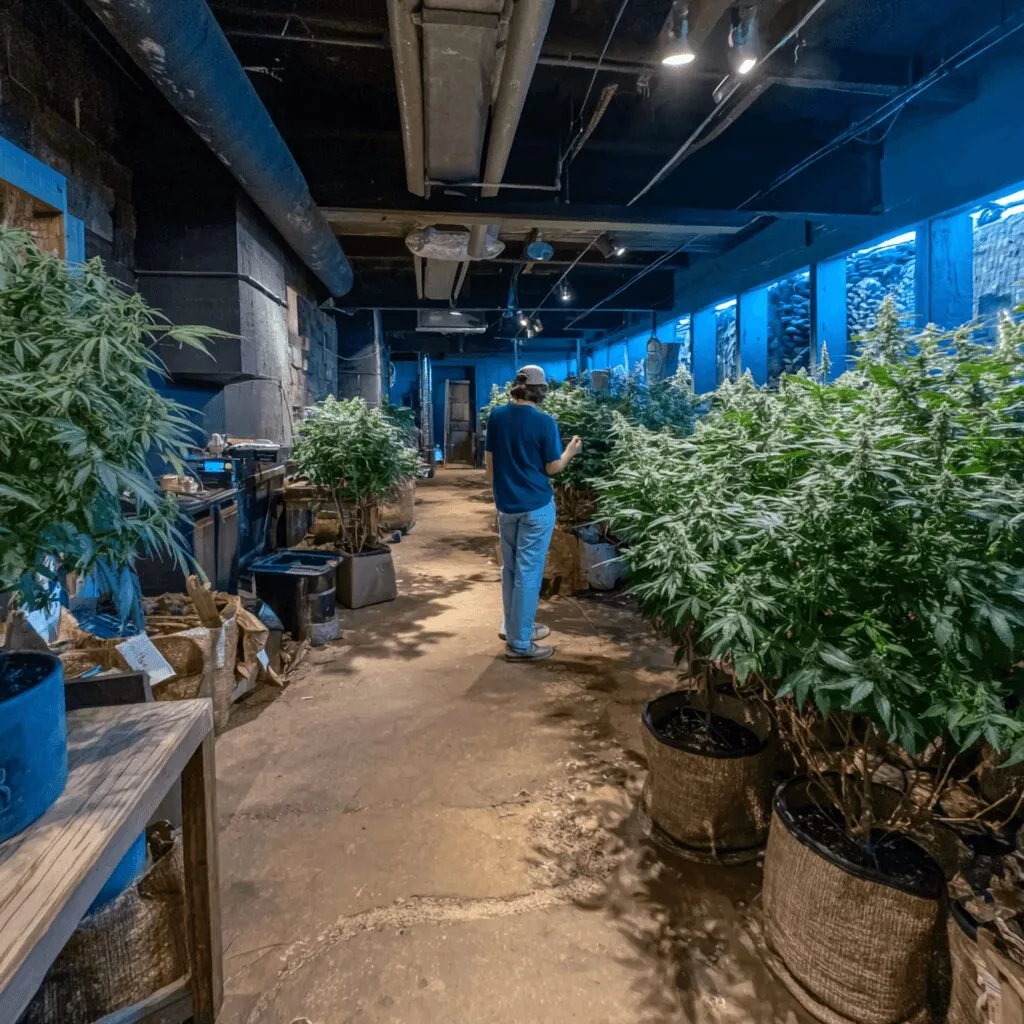
Connecticut cannabis grower: Is the market still worth it?
The talk around every grow room and dispensary right now is whether it’s still worth being a Connecticut cannabis grower. The state’s legal market promised big green, but shifting competition, regulation, and recent local headlines have growers evaluating the real risks and rewards. If you’re in the cultivation game or just curious about the current scene, this deep dive breaks down what’s changed, what growers face, and what’s next for Connecticut cannabis grower pros chasing their dreams (and margins).
Understanding the Connecticut Cannabis Grower Landscape: Laws, Expectations, and Trends
Since Connecticut legalized adult-use cannabis, the landscape for the Connecticut cannabis grower has shifted quickly. In 2021, the state passed sweeping legalization (Connecticut Department of Consumer Protection), opening up licensing for both medicinal and recreational cultivation. State regulations capped the number of large-scale cultivation licenses, aiming to foster a competitive, but not monopolized, market. These growers must comply with rigorous testing, security, and environmental rules, as well as social equity provisions guiding who can legally enter the business. Social acceptance has grown rapidly, with local communities split between embracing the economic benefits and voicing concerns about zoning or oversupply (Marijuana Moment). As seen in other regions, recent market expansion and evolving trends are leading to new opportunities and risks for every Connecticut cannabis grower.
Big Swings in the Market: Recent Developments for Connecticut Cannabis Grower Leaders
Recent months have brought clear challenges for at least one major Connecticut cannabis grower. A June 2024 CT Insider report shared how The Connecticut Cultivation Solutions (CCS)—a flagship Stratford-based operation—publicly revealed struggles with oversupply and shifting wholesale prices. Executives cited a marked decline in demand from dispensaries, with prices down by as much as 30% since commercial sales began. Compounding this, CCS highlighted rising operational costs, including energy, compliance, and new license renewal stipulations under the Department of Consumer Protection. Notably, CCS is not alone: local headlines signal other Connecticut cannabis grower companies are consolidating, restructuring, or even considering exits. The industry, once seen as a gold rush, is experiencing real growing pains. Meanwhile, local bans and changing cannabis zoning rules have contributed to supply gluts, further impacting a Connecticut cannabis grower’s bottom line. These realities are pushing cultivators to rethink distribution, branding, and how to attract loyal retailers in a price-sensitive market.
Expert Insights: Is the Strain Worth the Gain for the Connecticut Cannabis Grower?
Tough markets separate craft cultivators from fly-by-night players, and Connecticut is no exception. Industry voices argue that while weed is legal, regulation remains tough. According to Leafly, profit margins for Connecticut cannabis grower veterans have always been tight due to unique compliance costs and limited slots compared to more mature states. Many cultivators are investing heavily in product quality, niche genetics, and sustainable practices to stand out. Pat Goggins, a respected cultivator and Connecticut cannabis advocate, sums it up: “Only the folks staying nimble, innovative, and hyper-compliant will thrive, this isn’t for part-timers or paper license holders.” With regulatory challenges and evolving consumer behavior, lessons from neighboring state industry practices and fraud prevention struggles highlight why adaptation and transparent practices are critical. A Connecticut cannabis grower’s future often rests on evolving consumer tastes, effective retail relationships, and operational efficiency, echoing top insights in the space.
Bright Green Ahead: What’s Next for the Connecticut Cannabis Grower?
Despite current struggles, the horizon remains promising for the committed Connecticut cannabis grower. Industry analysis from Headset points to steady growth in demand, evolving consumer sophistication, and room for premium or bespoke flower even in challenging cycles. Social stigma continues to fall, and ongoing legislative reviews are expected to ease some operational burdens over time. Connecticut lawmakers have hinted at updates to local zoning and tax structure, potentially smoothing out market shocks. Ultimately, well-run, community-engaged growers hold the keys to lasting success. For anyone passionate about cannabis, the message is clear: adaptability, authenticity, and respect for both plant and policy will keep the best Connecticut cannabis grower teams in the green for years to come.
Originally reported by: ctinsider.com