





DC cannabis zoning rules: What You Must Know Now
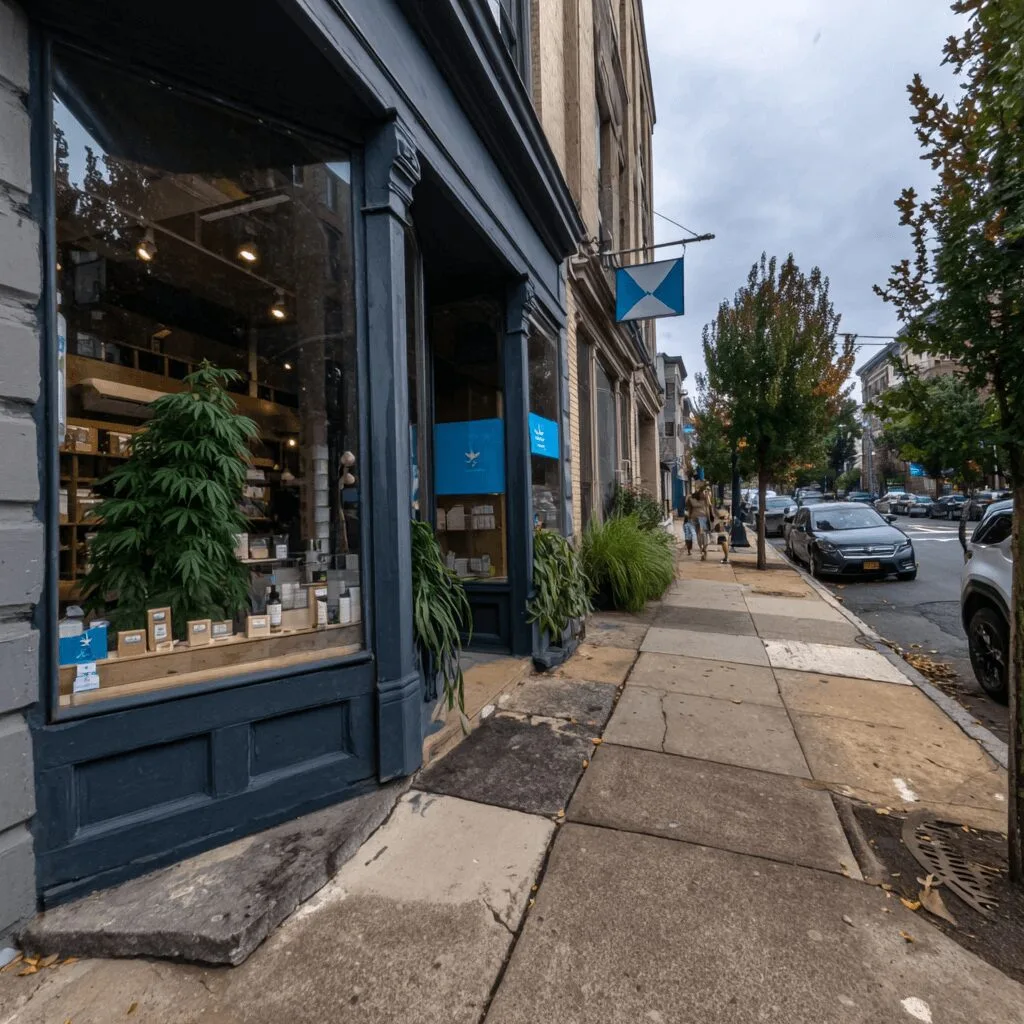
In the heart of Washington, DC, shifting DC cannabis zoning rules are stirring debate and fresh opportunities. New clarifications on how close dispensaries can be to childcare centers are making headlines—and making entrepreneurs, parents, and advocates sit up and pay attention. With the cannabis market growing fast and the legal landscape evolving, understanding these latest zoning rules is essential for anyone looking to operate, invest, or simply stay informed. Let’s break down what’s happening, why it matters, and what you need to know about DC’s cannabis frontier.
The Legal Landscape: Background & Context for DC Cannabis Zoning Rules
DC’s journey with legal cannabis is as unique as the city itself. While adult-use sales are technically banned by Congress, the district’s medical cannabis program and home grow allowances have created a dynamic, quasi-legal marketplace. The arrival of DC cannabis zoning rules is rooted in decades of activism, city politics, and public health debates. For years, strict buffer zones kept dispensaries away from schools, playgrounds, and daycares, with added scrutiny from local advisory neighborhood commissions. In cities worldwide, the impact of neighborhood revitalization efforts and zoning changes can deeply affect the local economy and social fabric, much like the urban regeneration currently underway in Lusaka’s CBD. As the industry matured, calls for expansion and clearer zoning intensified, especially with new retail licenses coming online. Local policymakers, balancing safety, equity, and economic growth, have looked to states like Connecticut for best practices. At the same time, federal ambiguity has left DC vulnerable to sudden regulatory changes, including ripples from national hemp policy shifts. All these factors contribute to the context behind updates to DC cannabis zoning rules.
Pivotal Developments in DC’s Cannabis Zoning Rules
The latest headline: DC regulators recently refined buffer zone restrictions for cannabis retailers, with a new focus on childcare centers. According to Outlaw Report, this means new dispensaries must now maintain greater distance from these facilities, mirroring policies for schools and playgrounds. The DC Alcoholic Beverage and Cannabis Board (ABCA), the city’s regulatory powerhouse, announced the ruling following pressure from parent groups and civic leaders. These changes, much like the industry’s reaction to recent bans on products containing hemp-derived THC, as seen during Curaleaf’s strategic shift following a federal hemp ban, come amidst a wave of applications for new retail licenses, as DC expands access beyond a handful of legacy dispensaries. Meanwhile, the evolving federal hemp policy is causing headaches for local businesses, with sudden bans affecting CBD and hemp-derived products. The city’s response: tighter definitions of what’s allowed, more robust compliance checks, and a renewed urgency to keep dispensaries separate from places kids frequent. These changes directly respond to growing industry interest, community safety concerns, and Washington’s uniquely complex position as both a city and a federal district.
Expert Analysis, Key Insights & The Cannabis Community’s POV
So, what’s the big takeaway from these DC cannabis zoning rules tweaks? For operators, it means scouting real estate just got trickier, but not impossible. For families, it’s a relief that childcare centers are protected without derailing a booming industry. Top industry voices have weighed in: “Zoning shouldn’t be a one-size-fits-all hammer. DC’s nuanced approach acknowledges both business needs and community safety,” says Maritza Perez Medina of the Marijuana Policy Project. Experts expect zoning rules to keep evolving as more data comes in on neighborhood safety, disorder rates, and youth exposure. In states like Nevada, lessons learned from past legalization challenges—such as those discussed in the analysis of Nevada’s marijuana legalization missteps—reveal the importance of thoughtful zoning and public engagement. DC’s open hearings and license application process have been praised by advocates for their transparency and emphasis on equity. Still, questions linger about enforcement, especially as unregulated CBD and hemp shops proliferate. Industry leaders stress that stability in DC cannabis zoning rules will help legitimize the market and boost confidence for investors, city planners, and the cannabis community as a whole.
What’s Next: The Future of DC Cannabis Zoning Rules
The latest chapter in DC cannabis zoning rules reflects the capital’s continuing evolution—one grounded in cautious optimism. As city officials fine-tune regulations and federal policy continues to oscillate, DC’s cannabis entrepreneurs and advocates remain adaptable. Transparent decision-making and genuine input from educators, parents, and industry voices promise a fairer, safer future. If regulators keep balancing public concerns with economic opportunity, DC could become a model for urban cannabis policy. As Marijuana Moment notes, forward-thinking zoning and robust stakeholder engagement are setting standards for the rest of the country. Expect ongoing debate, learning curves, but also a stronger, more inclusive local industry—fueled by DC’s unmistakable spirit and resilience.
Originally reported by: outlawreport.com


1 Comment
Pingback: Massachusetts cannabis fraud: Shocking claims shake industry