





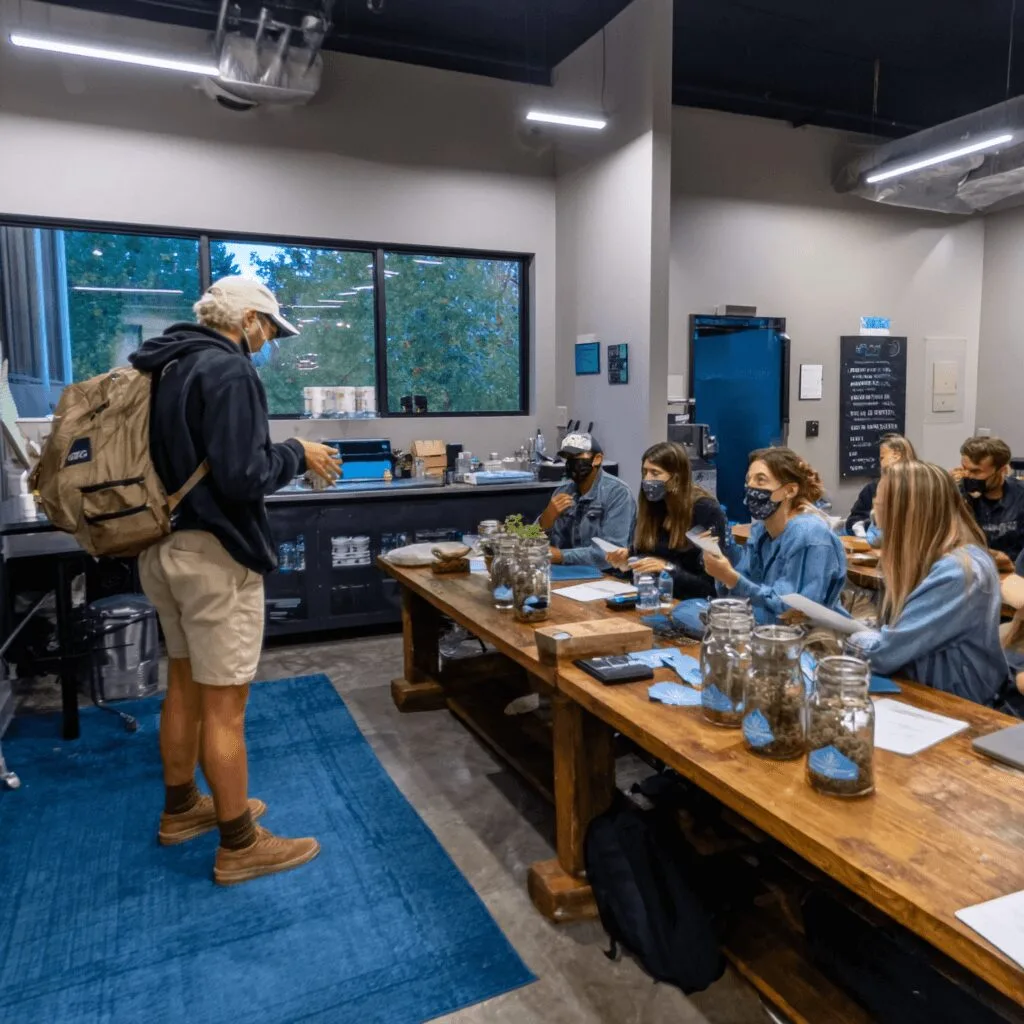
Unlock Opportunities with Cannabis Certificate Programs
Cannabis certificate programs are turning heads in the world of higher education. As legalization sweeps across more states, these specialized programs are answering the urgent call for skilled talent in the fast-growing cannabis industry. This is no fringe topic—employers nationwide want trained professionals who truly understand THC, CBD, regulations, and the art of responsible cultivation. With industry expansion and evolving laws, now is the best time for students and professionals to upskill with cannabis certificate programs, making themselves stand out as pioneers in a multi-billion dollar market. Let’s break down why these programs matter, what’s driving their popularity, and how colleges like St. Cloud State University are joining the green wave.
The Evolving Landscape: Regulations, Legalization, and Demand for Cannabis Education
The legal landscape for cannabis in the United States remains a patchwork, but the momentum is undeniable. According to Pew Research, public opinion overwhelmingly supports legalization, with over 60% of Americans favoring legal cannabis. States like Minnesota have taken massive leaps, joining more than 20 others in legalizing cannabis for medical or adult use by 2023. This shift has directly fueled a demand for formal cannabis education, as both employers and regulators increasingly require expertise that goes beyond anecdotes or experience in underground markets. Additionally, the ongoing marijuana federal-state conflict—where state-by-state gaps in laws mean job seekers and startups need to stay sharp with both scientific and legal knowledge—is detailed in recent coverage from LeafyLeaks. Cannabis certificate programs help bridge these gaps for people aiming to enter dispensaries, cultivation facilities, labs, regulatory bodies, or advocacy groups. Universities answering the call include those recognized by MJBizDaily, highlighting how fast the industry is professionalizing and the increasing role of formal, credible education.
Big Moves: St. Cloud State’s Cannabis Certificate Programs and the Rise of College Credentials
On December 10, 2025, St. Cloud State University made a bold entrance into the cannabis education space by launching new cannabis certificate programs, according to their official announcement (St. Cloud State University News). These new credentials reflect both current industry needs and the university’s commitment to future-focused learning. The program offers tailored courses covering cannabis law, cultivation science, dispensary operations, and responsible product handling. Instructors boast real-world credentials, pulling from backgrounds in cannabis policy, botany, business, and public health. Each certificate equips students and professionals with actionable knowledge needed to work in Minnesota’s rapidly evolving medical cannabis market and anticipated adult-use sector. Recent developments underscore how formal certification through these types of programs is becoming a professional necessity in today’s green economy. According to faculty statements, this curriculum was developed in consultation with local industry leaders and policy experts, ensuring students aren’t just learning textbook theory. Instead, they’re acquiring skills that translate directly onto the production floor, in compliance offices, or at the regulatory level. As more colleges nationwide join the fold (see details at MJBizDaily), it’s clear cannabis certificate programs are quickly evolving from fringe elective to indispensable credential.
Real-World Ripples: Expert Commentary and Why Cannabis Certificate Programs Matter
If you know your edibles from your tinctures, you understand that the cannabis industry can’t depend on YouTube videos and forum threads forever. As High Times has highlighted, the next stage for cannabis is formal education and accredited credentials, with a focus on cannabis certificate programs for professional development. This isn’t about jumping on a trend—it’s about making sure budtenders, cultivators, and compliance officers are properly prepared in a tightly regulated, scrutinized space. According to Dr. Amanda Reiman, a well-regarded cannabis policy researcher cited by Leafly, “The more we invest in cannabis education, the safer and more successful our communities and businesses will become.” With legalization has come a need to shift perceptions, professionalize operations, and maintain public trust. That’s exactly what programs like the one at St. Cloud State University are designed to do: bring knowledge, confidence, and above all, credibility, to the industry. Opportunities, such as understanding how binge drinking cannabis teens are shaping new social realities—see recent analysis on this cultural shift at LeafyLeaks—demonstrate why real-world training is essential. Industry job growth has been robust, with over 400,000 people now working in legal cannabis in the U.S., as reported by Leafly’s Cannabis Jobs Report. With every new state that legalizes, the need for accredited cannabis education only intensifies.
Looking Forward: Cannabis Certificate Programs and the Green Future
With the proliferation of cannabis certificate programs, the stigma around cannabis careers is giving way to enthusiasm, professionalism, and opportunity. More students, working professionals, and even skeptics are seeing these credentials as entry points into one of America’s fastest-scaling industries. According to Pew Research, the path toward regulatory and social acceptance continues to broaden. Universities innovating with cannabis certificate programs not only equip students for today’s jobs but lay foundations for tomorrow’s leaders and entrepreneurs. Grab your notebook, bring your curiosity, and consider a cannabis certificate program—it might just open more doors than you ever imagined.
Originally reported by: today.stcloudstate.edu


1 Comment
Pingback: Lusaka CBD regeneration: Can the city rise from crisis?