





Lusaka CBD regeneration: Can the city rise from crisis?
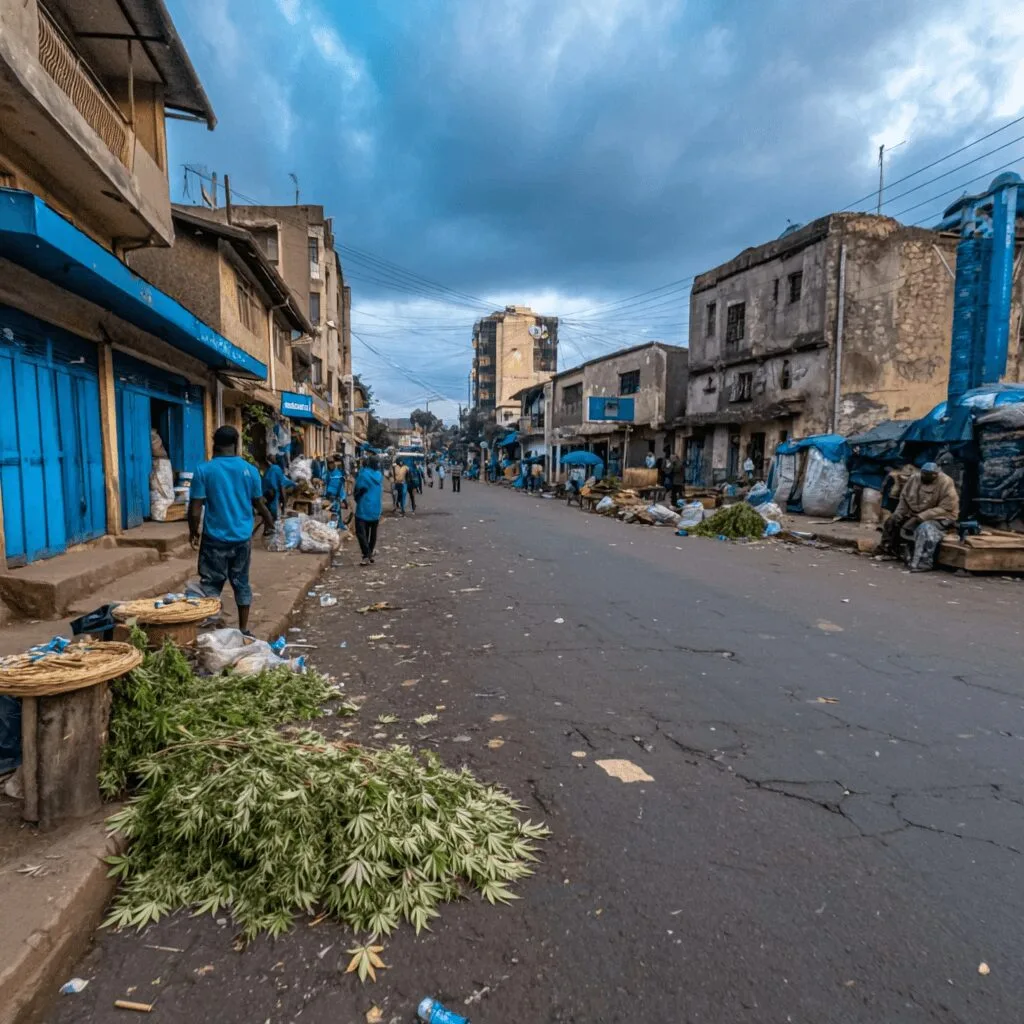
Why are people suddenly talking about Lusaka CBD regeneration? It’s not just a trending hashtag—this conversation matters more than ever. With rising urban decay, growing security concerns, and visible signs of neglect, Lusaka’s city center is gasping for new life. The challenge? Balancing public safety, economic revival, and—let’s be honest—real social issues including cannabis trade out in the open. Today, we break down the fresh urgency behind the Lusaka CBD regeneration push, spotlight the regulatory landscape, and explore what the future holds for cannabis advocates and urban residents alike.
Understanding the Backdrop: Legal, Social, and Regulatory Tensions in Lusaka CBD Regeneration
Lusaka’s central business district isn’t just the beating heart of Zambia’s capital, it’s a physical reflection of decades of legal constraints, broken infrastructure, shifting social attitudes, and economic stress. Throughout the 2010s, city reports documented a slow slide: outdated buildings, mounting trash, and an undercurrent of street-level commerce, including cannabis vendors operating with a wink and a nudge. United Nations Development Programme reports confirm how rising poverty rates have driven informal trading and blunted investment in proper sanitation, lighting, and law enforcement. Changing patterns in young adult behaviors, like those studied in new research about binge drinking and cannabis among teens, also offer context for how evolving social landscapes complicate policy making.
On the legislative front, Zambia’s Narcotic Drugs and Psychotropic Substances Act has restricted formal cannabis operations, but underground activity persists, often feeding negative perceptions and complicating efforts at Lusaka CBD regeneration. Meanwhile, international observers like BBC Africa cite the city as an emblem of Sub-Saharan Africa’s struggle, powerful grassroots energy, but lacking stable policy to back top-down transformation. Socially, residents are torn, many want renewal, but they also rely on informal markets for survival. It’s an urban tug-of-war playing out in broad daylight.
From Crisis to Conversation: Key Developments and Urban CBD Realities
Let’s talk about the headline developments fueling the Lusaka CBD regeneration debate. According to a widely circulated post by Emmanuel Mwamba, former Zambian diplomat and respected local commentator, the CBD has reached a crisis point. Deterioration is hard to miss: trash piles up on famous streets like Cairo Road, and small-time dealers—yes, including young cannabis entrepreneurs—have claimed sidewalk real estate as safer business zones. Decay isn’t happening in the shadows anymore. Even historic buildings, once full of hope and hustle, now sport grime and graffiti, a far cry from their glory days, and reflecting trends seen in major crackdowns such as major illegal cannabis seizures in California.
Key local authorities have not ignored the alarm bells. The Lusaka City Council initiated site cleanups and floated funds for new street lights last March, timed awkwardly with media coverage of runaway petty crime, turf wars among street vendors, and embarrassing video footage showing city patrols struggling with enforcement. According to Zambia Statistics Agency reports, there’s been a 14% spike in urban petty crimes reported in the last year. Trends in state and federal cannabis law conflicts, similar to the ongoing marijuana policy tug-of-war in other countries, also shape local approaches. The growing alignment between public health hazards, economic stagnation, and visible drug activity puts even more public pressure on Lusaka CBD regeneration policies.
The Expert Take: Where Cannabis, Urban Renewal, and Real Change Collide
Now, here’s where my inner canna-geek gets excited. Let’s admit it, the haze around Lusaka CBD regeneration isn’t only about broken pavement. It’s about misalignment of policy and lived reality. Informal cannabis trade is a symptom of the wider urban disarray, but it’s also a sign of untapped potential. If you’ve ever read reports from Forbes or tracked the recent approval by Zambia’s own Cabinet to legalize cannabis for export, you know the winds are changing. That’s not just weed-speak, it’s a fact. As cannabis policy expert Tom Angell, writing for Marijuana Moment, has put it: “Wherever there’s official resistance, there’s usually unofficial ingenuity filling the gap.”
Internationally, several cities are rethinking the regulatory approach for job growth and urban renewal, much like new college programs that are changing education to meet the opportunities in the cannabis field. The big stoner elephant in the room is this: if you want true CBD transformation, you can’t keep pretending cannabis doesn’t exist or that it’s wholly negative. Recent analysis from career-focused cannabis certificate programs highlights how formalized training and new industries benefit communities and could play a role in modern Lusaka CBD regeneration strategies. Long story short? The potential for Lusaka CBD regeneration is real, if stakeholders tap into practical solutions.
Looking Ahead: Lusaka CBD Regeneration and a Greener Future
If there’s one thing the last year has taught us, it’s that ignoring urban decay—or the reality of cannabis commerce—just speeds up decline. Lusaka CBD regeneration is on the table, with citizens demanding both safety and sensible reform. What’s next? Expect more sustained activism, policy innovation, and maybe a few surprise wins for cannabis supporters. According to a recent Daily Cannabis Africa feature, transparent regulation, youth engagement, and local business incentives can make city centers like Lusaka’s both vibrant and responsible. The journey is just beginning—watch this space as Lusaka CBD regeneration becomes a model of grounded, grass-roots-led urban renewal with cannabis advocacy at its core.
Originally reported by: facebook.com


1 Comment
Pingback: Lusaka CBD regeneration: Is Urban Decay Reversible?