





California illegal cannabis seizure: Major crackdown revealed
The cannabis scene in California just got shaken up by a serious state enforcement move. With the latest California illegal cannabis seizure, the tension between legal operators and black-market players is front and center again. This isn’t just about pulling up plants—it’s about the money, the regulations, and the future of the industry. Today’s article breaks down what happened, why it matters, and what it could mean for everyone from licensed growers to everyday enthusiasts.
Background: Why California Keeps Seizing Cannabis
It’s no secret that the California Department of Food and Agriculture and state regulators have been busy balancing booming legal sales and persistent illegal grows. Since legalization in 2016, the state has seen huge tax revenue—over $5 billion in 2022 according to the California Department of Tax and Fee Administration. Still, black-market cannabis isn’t just surviving, it’s thriving due to complicated licensing, high taxes, and patchwork local laws (LA Times). For many local communities, regulations around cannabis smoking bans add a distinct challenge, much like recent restrictions imposed in Glen Cove. The California illegal cannabis seizure program is designed to protect consumers, ensure product safety, and guarantee taxes flow where they should, not into the shadows. There’s also a huge public safety angle: illicit grows can divert water, use banned pesticides, and undercut legal operators risking everything on compliance.
Key Developments: Details of the Seizure and Industry Fallout
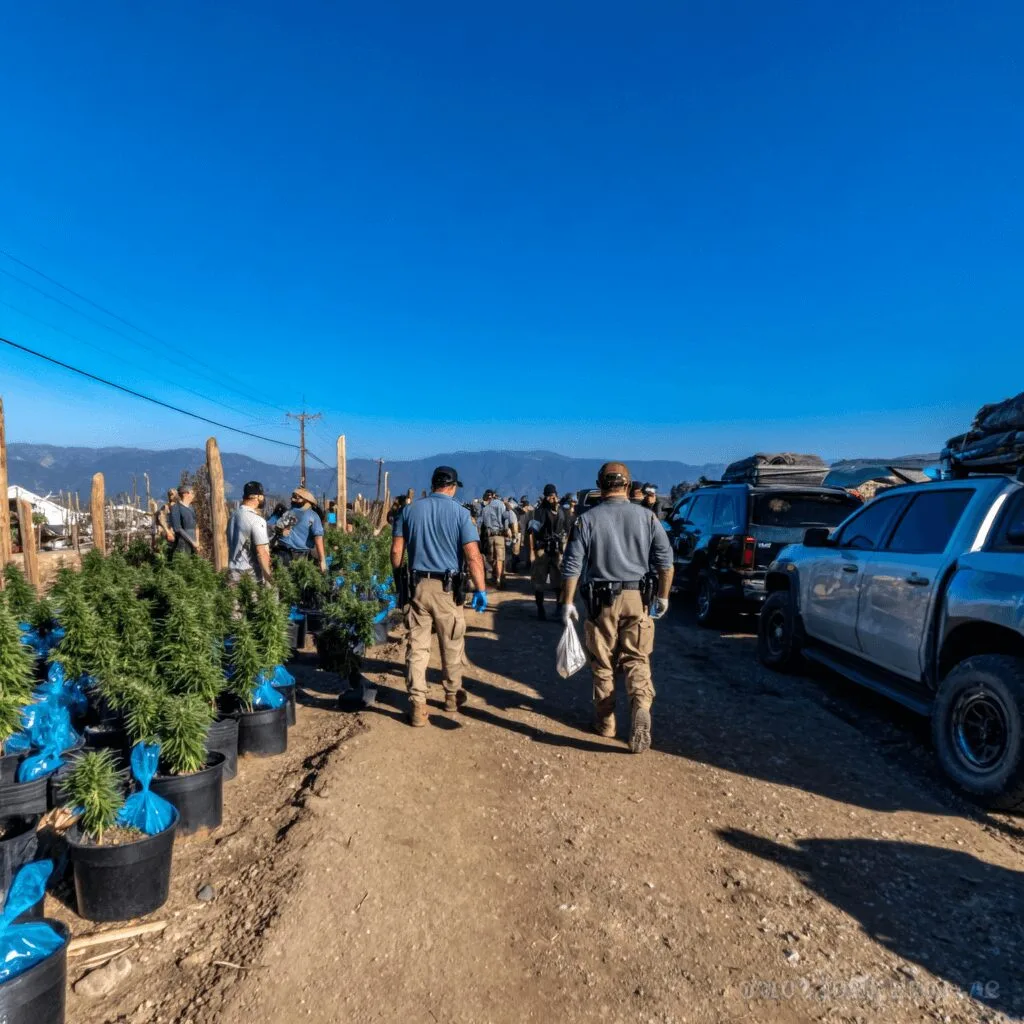
According to an official press release from the Governor’s office, California officials seized 58,350 illegal cannabis plants valued at roughly $57 million in one of the largest operations in recent months. This November action went down in broad daylight across multiple outdoor sites in north-central California. Crews found rows of flourishing cannabis planted in black plastic pots and scattered growing beds, with enforcement teams from the state’s Department of Fish and Wildlife and Bureau of Cannabis Control leading the way. Officers wore plain uniforms, used evidence bags, and worked under hot, dusty conditions, no Hollywood drama, just boots-on-the-ground work. As with prior actions (NBC Bay Area), these seizures are public—they aim to send a warning shot to unlicensed operations skirting the law. These actions echo the broad issues seen nationwide, such as the complexity facing Ohio’s home growers. For licensed growers facing costly state fees and strict oversight, such high-profile busts create ripple effects, driving up local scrutiny and sometimes pushing consumers toward what feels like a gray area in the market. The fallout? Expect legal operators to demand clearer regulations and more resources to combat illicit trade.
Expert Analysis: California illegal cannabis seizure and Industry Response
The recent California illegal cannabis seizure highlights the state’s ongoing cat-and-mouse game with the illicit market. Industry leaders warn that while enforcement is essential, it’s hardly a cure-all. As Leafly reports, licensed companies struggle to compete when illegal growers sell at half the price. “You can’t police your way to a healthy cannabis industry, not when the tax burden and local rules make the legal path uphill all the way,” says Amanda Reiman, cannabis policy veteran and industry advocate. Problems like the rising use of THC vapes in schools show that enforcement priorities are evolving, as highlighted by new trends in school-related THC vape seizures. The fact remains: enforcement escalates when the legal industry stumbles under high costs, zoning headaches, and market saturation. When enforcement grabs headlines, investors and entrepreneurs get nervous, while legacy operators—those who paved the way for legalization—see a painful reminder of the old days.
Looking Ahead: Reform, Opportunity, and a Greener California
Despite these setbacks, the California cannabis market is evolving fast. Every California illegal cannabis seizure brings new calls for streamlined licensing, equitable enforcement, and policies that help small businesses thrive. Trade groups like the California Cannabis Industry Association push for laws that lower barriers and boost consumer safety. Social acceptance is rising too—according to Gallup, over two-thirds of Americans now support legalization. As more states watch California’s struggle and tweak their own laws, this could finally mean a smarter, fairer approach to cannabis. The future? It looks greener.
Originally reported by: gov.ca.gov



1 Comment
Pingback: Curaleaf hemp THC exit: What it means before the federal ban