





Ohio marijuana growing laws: What you need to know now
With Ohio’s new approach to cannabis, there’s no hotter topic than the state’s marijuana rules. As of 2024, growing your own has become the question on everyone’s mind—and with good reason. Ohio marijuana growing laws are hitting headlines, reshaping what’s possible for personal use and small-scale horticulture in the Buckeye State. Whether you’ve got a green thumb or you’re just curious about home cultivation rights, it’s crucial to know what’s legal, what’s not, and how these laws fit into broader cannabis policy shifts. Let’s break down the fresh updates, spotlight key legal details, and show how Ohio marijuana growing laws impact real people and communities right now.
Understanding the Landscape: The Background on Ohio Marijuana Growing Laws
Ohio marijuana growing laws haven’t always looked as progressive as they do now. Not long ago, growing even a single cannabis plant meant risking legal trouble and social stigma. But shifting public opinion and data-backed advocacy, highlighted by resources like NORML and major polls showing steady support for cannabis reform, have transformed Ohio’s weed policy. In 2023, statewide policy changes opened up the door for adults to possess and cultivate cannabis legally under regulated conditions, following the national momentum sparked by states like Michigan and Illinois (state regulators). These evolving policies mirror community debates happening in localities nationwide, like questions raised in recent incidents such as vape shop raids in Florence County. Social acceptance is up, black market concerns are down, and Ohio marijuana growing laws are now more in line with what the majority of residents want. Still, home growers can’t just go wild, as every move is framed by licensing, plant limits, and evolving city ordinances. The balance? Encouraging responsible use, while targeting illegal, large-scale operations.
Latest Updates: What Ohio Marijuana Growing Laws Say This Year
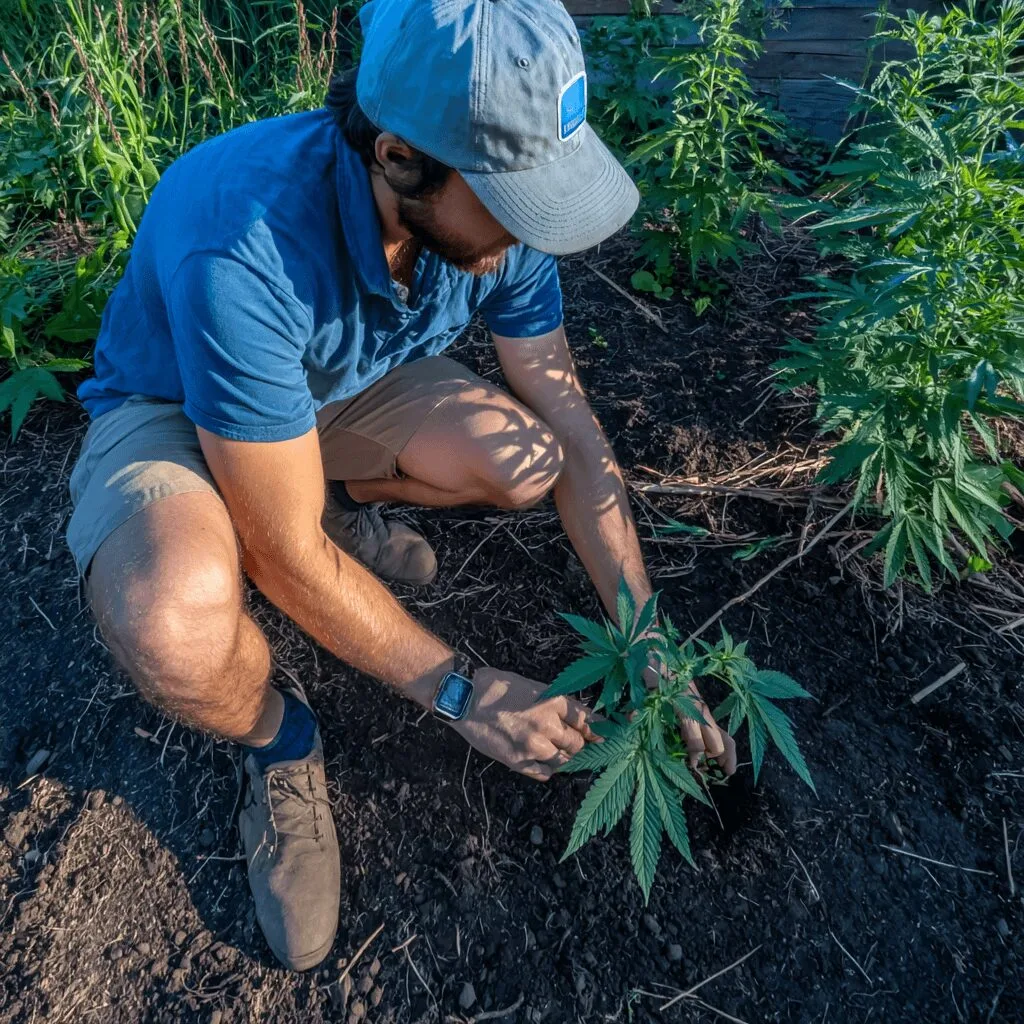
Let’s get concrete: As of December 2025, Ohio marijuana growing laws allow adults 21 and up to grow up to six cannabis plants per person, with a maximum of 12 plants per household. This move followed voter approval of Issue 2 in November 2023, making Ohio the 24th state to legalize recreational cannabis, according to The Columbus Dispatch. Lawmakers are now closely watching consumer trends and regulatory loopholes, similar to the changes that have influenced Ohio’s new hemp law and its effects on the THC drink scene. The law directs that plants must be grown in secure, non-public places—think a locked backyard shed, not your front porch. Selling homegrown weed remains illegal unless you’re a licensed dispensary operator, tightly regulated under standards set by the Ohio Department of Commerce. City councils and apartment complexes can still set their own boundaries, occasionally banning home growing through local ordinances. Compliance also means keeping plants out of reach of children and away from the public eye, as specified on the Ohio Department of Commerce’s site. Violating these rules comes with significant penalties, ranging from civil fines to possible criminal charges. It’s not a free-for-all, but it’s a huge step for Ohioans passionate about personal cultivation and safe access.
Expert Analysis: Industry Insight and the Big Picture for Ohio Marijuana Growing Laws
So, what’s the bigger impact of Ohio’s updated cultivation rules? Let’s hear it from leaders on the front lines. As Leafly contributor Ben Adlin puts it, “Allowing adults to grow their own cannabis is a game-changer, it builds trust in legalization and gives people more control over what they’re consuming.” That trust factor is huge. These new Ohio marijuana growing laws empower responsible adults, support a safer supply chain, and undercut illegal sales operations. Reports on safety concerns in schools, including recent incidents involving THC vape devices and firearms on school campuses, highlight why regulated access matters for communities. In the wider cannabis world, experts note that states with smartly regulated home grow programs tend to see better patient outcomes, fewer enforcement headaches, and more innovation in sustainable horticulture. Industry analysts cite Canada and Colorado as pioneers whose models proved that home growing can succeed with the right oversight. Ohio’s approach reflects this balance, putting trust in adults and keeping practical rules front and center. For medical patients, legal home growing can mean direct access to specific strains and affordability, especially for chronic conditions where retail prices can add up.
What’s Next for Ohio Marijuana Growing Laws and Home Cultivators?
The future of Ohio marijuana growing laws is all about opportunity—and responsibility. Expect the state to revisit and refine the fine print, possibly expanding personal plant limits as cultural acceptance and regulatory know-how deepen. As more Ohioans experiment with legal home grows, best practices and community standards will evolve. This is a win for consumers, advocates, and small-scale cultivators hungry to see the Buckeye State fully embrace modern cannabis reforms. National publications like MJBizDaily predict that states pioneering sensible home grow policies will serve as a model for others, creating ripple effects in job growth, public health, and innovation. Bottom line? Ohio marijuana growing laws now make it easier than ever to exercise your rights and grow your own—provided you follow the rules. The movement’s momentum shows no signs of slowing down, and the state is poised for even more progress in the years ahead.
Originally reported by: dispatch.com



1 Comment
Pingback: Glen Cove marijuana smoking ban: What it means for residents