





THC Vape School Seizures: What Schools & Parents Must Know
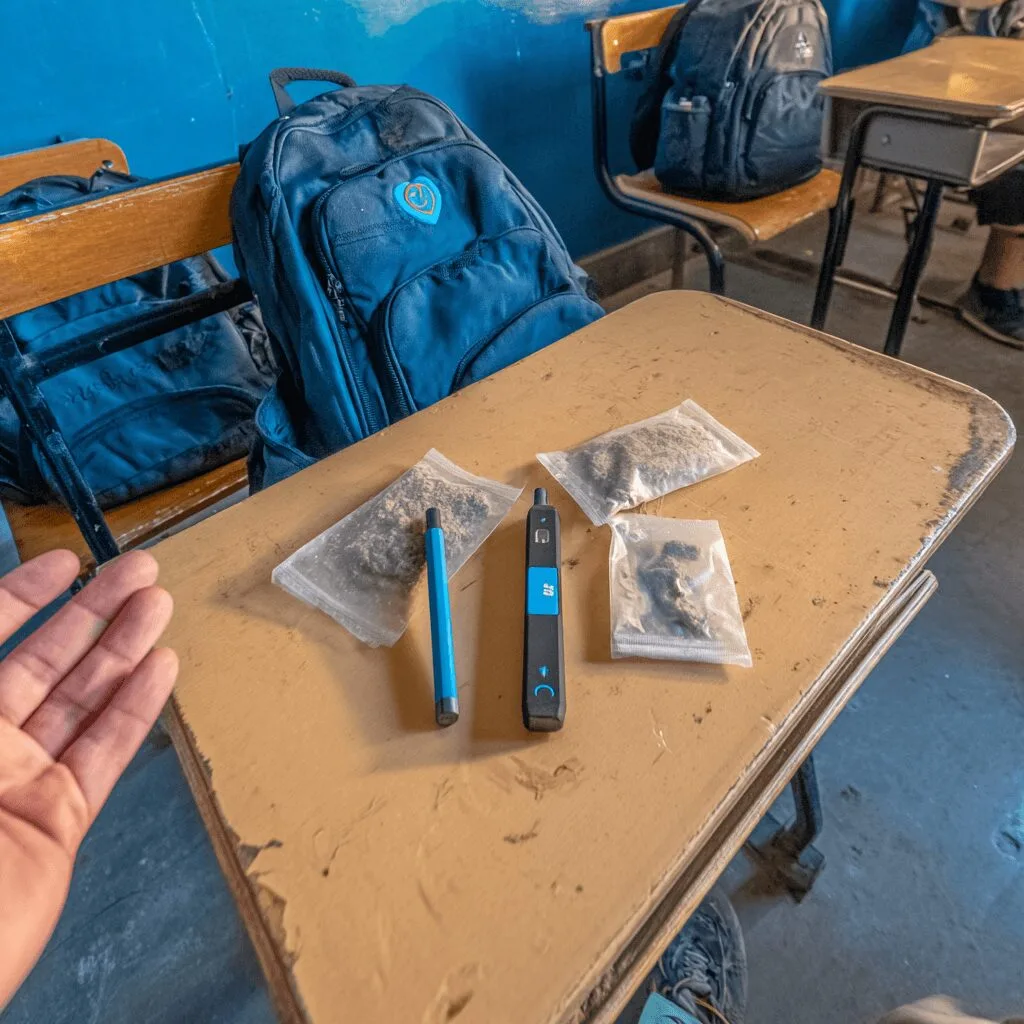
The topic of THC vape school seizures is hotter than a dab rig on Friday night. With THC vapes popping up in the hands of high school students across the country, administrators and parents are scrambling for answers. Just this week, multiple schools reported a spike in THC vape confiscations, flipping the script on what high school safety looks like in 2024. This isn’t just about discipline—this is about understanding the evolving cannabis scene, the risks posed to students, and what it means for the broader cannabis industry. In this article, we break down recent school seizures, discuss the market forces at play, and provide a balanced look at why this matters to anyone invested in safe, sensible cannabis policy.
Why THC Vape School Seizures Are Making Headlines
The cannabis landscape has changed drastically in the last five years. As legalization sweeps through states, consumer access to concentrates and vapes has soared. However, questions remain about how new hemp regulations might actually be enforced, similar to challenges discussed in recent debates over hemp ban enforceability and regulatory expectations. Regulations around youth cannabis access are tightening, especially after a 2023 uptick in underage incidents reported by industry analysts. School districts are under pressure, scrambling to update policies amid a new wave of vaping tech. The legal age for cannabis purchase in most states is clear, 21 and up, no exceptions. Yet, with discreet devices and peer-to-peer sales, minors are finding ways to get THC vapes. Regulators and educators must now balance safety concerns with sensible cannabis education, further intensified by uncertainty about product legality and regulation seen in states like Ohio where new hemp laws are impacting consumer choices (see how new state policies change access to THC drinks). This backdrop sets the stage for the recent surge in THC vape school seizures.
Breaking Down the Latest THC Vape School Seizures
On June 2024, three Maryland schools made headlines after staff recovered THC vape pens and cannabis from students, according to The BayNet. Security found the contraband during routine checks, forcing quick responses from both school resource officers and administrators. These THC vape school seizures weren’t isolated. Earlier in the year, NBC News reported a nationwide uptick in incidents from Illinois to Colorado. According to Maryland law, possession of cannabis by minors remains illegal, and schools enforce strict zero-tolerance policies. In this latest round, no external vendors or dispensaries were implicated, but officials acknowledged “increasing sophistication” of supply routes, most notably social media and friend networks. Recent waves of large cannabis confiscations in other regions also reflect similar supply chain issues and smuggling tactics, an issue explored in coverage of major seizures and smuggling dynamics abroad. As stated by local law enforcement, “Our main concern is student safety and ensuring access stops at the school doors.” Parents were notified, and all students involved are subject to both disciplinary action and counseling support.
Industry Perspectives: Beyond School Hysteria & Toward Solutions
There’s a lot more to these THC vape school seizures than clickbait. Industry analysts from MJBizDaily and policy scholars at NORML argue that while incidents in schools are serious, they’re also symptomatic of a market where education and regulation struggle to keep up with innovation. The medical cannabis community is especially interested in how marijuana could offer alternatives to traditional pain management, a topic discussed in stories about the potential for medical marijuana to replace opioids for chronic pain relief. In the words of cannabis policy expert Ethan Nadelmann: “Our best tools are transparency and age-appropriate cannabis education, not scare tactics.” (Marijuana Moment). Many in the industry point out that illicit-market products, untested and sometimes dangerous, are the real threat, which is why legal, regulated channels matter. Most dispensaries already adhere to stringent ID checks, and platforms such as Leafly emphasize compliance in every transaction. What schools are seeing could be curbed through smart, upfront education paired with robust enforcement against illicit supply chains. Peer group pressures are old news, but the tech and supply networks are evolving faster than guidance counselors can keep up. As NORML notes, “Prohibition doesn’t work, education and honest dialogue do.”
Future Outlook: Safer Schools & a Stronger Cannabis Industry
Despite the negative press around THC vape school seizures, the future isn’t all doom and gloom. The cannabis industry continues its rapid growth, and as more states legalize, regulation and education are catching up. Organizations like MAPS and legal agencies are funding new harm-reduction programs, while schools look toward evidence-based policies instead of reflexive suspensions. The silver lining? These stories spur real policy change, and drive everyone—parents, schools, businesses—to prioritize student well-being. With ongoing improvements to tracking, regulation, and community education, expect a more balanced approach in future news about THC vape school seizures. That’s progress every cannabis advocate, parent, and educator should root for.
Originally reported by: thebaynet.com

1 Comment
Pingback: Florence County vape shop raids: What’s really going on?