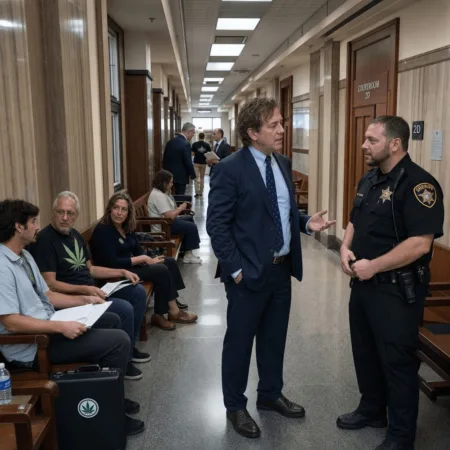
Shocking Marijuana Trafficking Arrest Grabs Love County
Let’s be real. The news of a major marijuana trafficking arrest in quiet Love County, Oklahoma, is making waves because it shines a massive spotlight on how cannabis policy and law enforcement collide even in small-town America. As legal markets keep booming and social views shift, big busts like this matter more than ever—they shape how everyone from local farmers to federal regulators think about the future of weed. Today’s buzzworthy arrest isn’t just about another headline; it’s a signpost for ongoing national battles and the unique obstacles places like Love County still face. In this article, we’ll break down the latest happenings, what triggered the marijuana trafficking arrest, the broader social context, and what it all means for the cannabis community.
Regulation, Risk, and Rural Realities: The Cannabis Policy Backdrop
If you’re plugged into current cannabis culture, you know the rules around marijuana remain a patchwork, especially in states like Oklahoma. Recent years have seen a tidal wave of legal reform, like the Oklahoma Medical Marijuana laws that opened doors for patients and producers. But here’s the catch, trafficking remains a serious felony offense, and rural areas often enforce much stricter interpretations of the law than urban hotspots. According to a Leafly analysis, Oklahoma’s fast-growing cannabis market is navigating everything from patchy regulation to old-school law enforcement attitudes. In places like Love County, the intersection between rapidly-expanding industry and traditional legal risks creates major friction, and stark headlines when enforcement hits hard. Meanwhile, federal law still classifies marijuana as a Schedule I drug (DEA scheduling overview), keeping legal tensions sky high and ensuring incidents like a marijuana trafficking arrest trigger big debates. If you want to understand how rapidly changing state-level regulation affects both consumers and the broader industry—similar to the evolving situation recently seen in Virginia’s legalization efforts—check out the latest on what’s new in Virginia’s marijuana law landscape. This is the ground-level reality facing rural growers, patients, advocates, and sometimes the guy just passing through with a risky cargo.
The Bust: What Really Happened in the Marijuana Trafficking Arrest
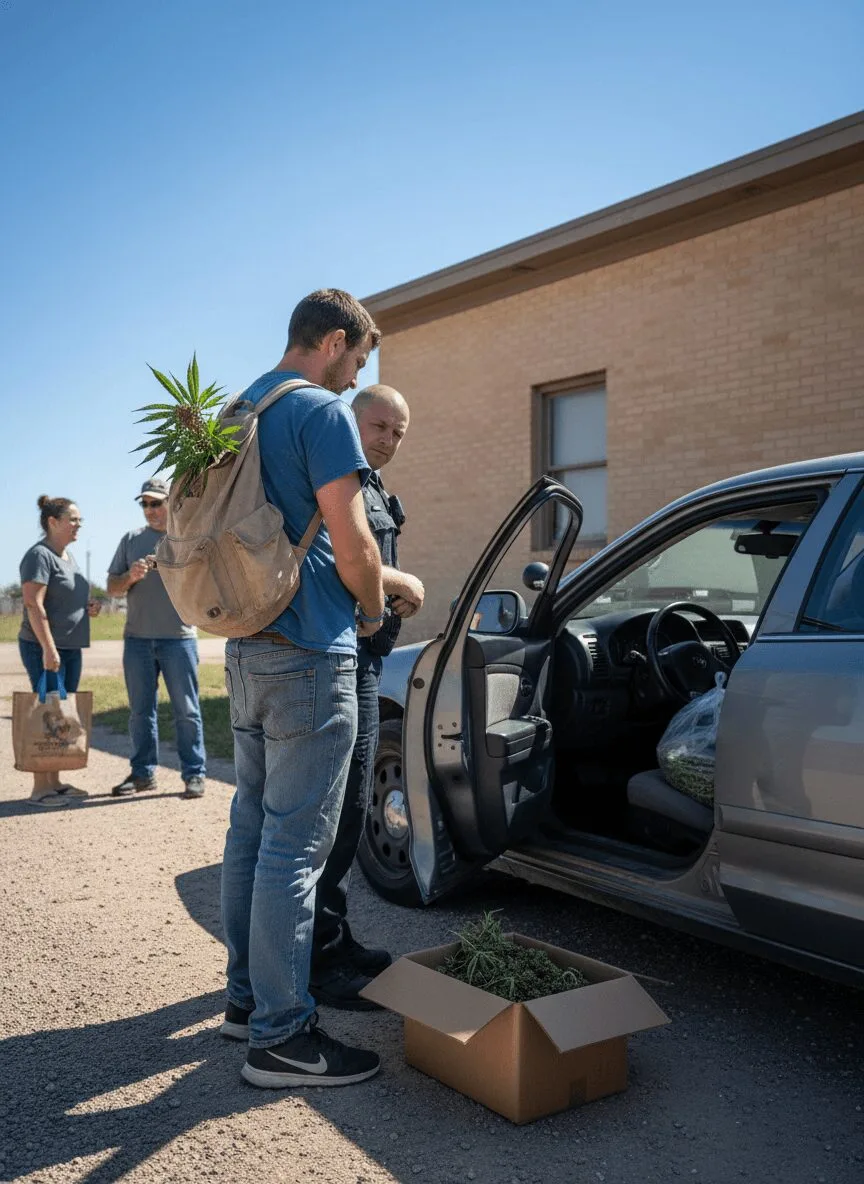
Here’s what’s officially gone down: According to reliable local news from KXII, a middle-aged man was arrested just outside a plain, rural building in Love County in mid-March 2026, accused of trafficking a significant stash of cannabis. Details from law enforcement indicate he was found with a loaded backpack containing bundled marijuana, visible plant material, and packaging supplies—all clear signals for a trafficking charge under Oklahoma statutes. Local sheriff’s deputies, responding to an anonymous tip, arrived on the scene and found not just loose cannabis but a box with green buds and odor-control items in his vehicle, solidifying the legal case. The encounter itself was classic rural Oklahoma, no dramatic chases or urban chaos, just casual conversation, a quick search, evidence gathered, and a calm, if slightly tense, arrest. According to the charges, he faces significant felony counts tied to Oklahoma’s strict trafficking definitions, and the bust is already sparking local and industry-wide debate about how marijuana trafficking arrest cases are reshaping perceptions, just as high-profile incidents in places like Dayton have impacted Ohio’s evolving cannabis laws.
Expert Analysis: What This Means for the Cannabis Industry
When a marijuana trafficking arrest grabs headlines, it forces everyone—advocates, growers, regulators—to ask hard questions. Industry voices stress the difference between licensed operations and black-market risk, especially in regulatory grey zones. As cannabis law authority Marijuana Moment reports, “The persistence of trafficking arrests in legal states proves how disconnected federal prohibition is from modern state realities”—a point echoed by Ethan Nadelmann, who told Leafly, “If cannabis were regulated across the board, most ‘trafficking’ would just look like distribution licensing issues, not felonies.” That observation rings true in Oklahoma’s market, where hundreds of legitimate businesses operate, but consumers and couriers without licenses face steep risks. Recent regulatory shakeups in neighboring regions—for example, how licensing and compliance updates are impacting patients as seen in changing clinical treatment guidelines—highlight the ongoing need for consistent laws. Meanwhile, rural counties feel the pressure, locals worry about criminal influence, and advocates see missed economic opportunities and social justice issues. The takeaway, until state and federal laws align and legacy systems update, every marijuana trafficking arrest shows just how much reform is still needed.
Looking Forward: Cannabis Progress After the Marijuana Trafficking Arrest
Can this incident spark overdue progress? Absolutely. As society grows more comfortable with legal cannabis—the Pew Research Center found 88% of Americans want weed legal in some form—the marijuana trafficking arrest in Love County is a clear call for smarter, saner laws. More states are shifting to regulated markets, reducing criminal penalties, and supporting economic opportunities for local communities. Industry experts predict that with renewed focus on justice reform, job creation, and tax revenue, future incidents will look less like old-school busts and more like administrative corrections. The lesson from Love County? We’re moving forward—carefully, doggedly, and with eyes wide open to the risks and rewards. The cannabis industry already has deep roots in Oklahoma; with continued advocacy, fair laws, and evidence-driven policy, even ‘shocking’ arrests will someday be relics of the past, not fresh headlines.
Originally reported by: kxii.com