





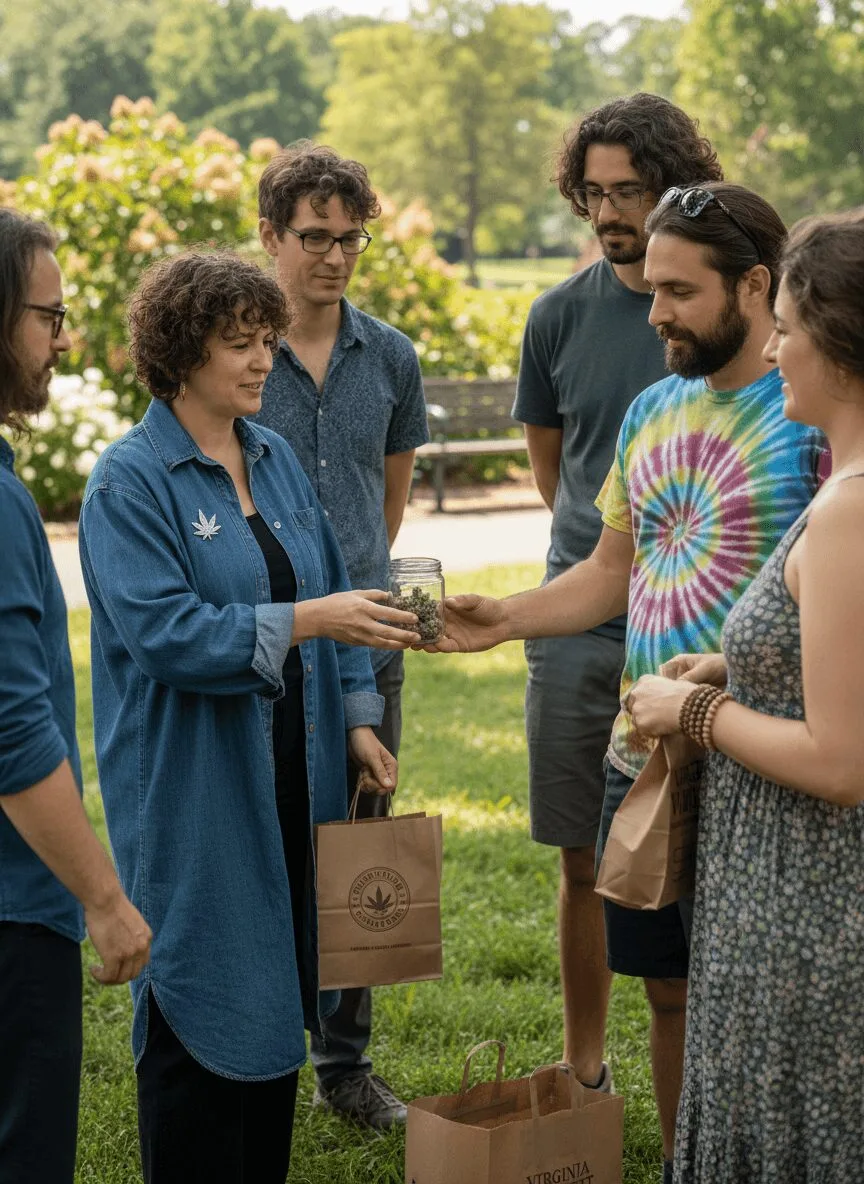
Virginia marijuana law changes: What you need to know now
The conversations around Virginia marijuana law changes have hit a fever pitch—and for good reason. Sweeping new regulations and real-world impacts are lighting up the scene. Whether you’re a patient, consumer, entrepreneur, or simply cannabis-curious, recent legislative moves are about to reshape how Virginians interact with this plant. This piece unpacks the critical updates, industry strategies, and what these changes mean for everyday life—plus, a little expert perspective on where we’re headed next.
Background: How Did We Get Here? Understanding Virginia Marijuana Law Changes
Understanding recent Virginia marijuana law changes starts with recognizing the evolving national landscape. Across the US, states have taken distinct approaches to cannabis legalization. According to the National Conference of State Legislatures, over 30 states now permit medical marijuana, and an increasing number are tackling adult-use legalization. Virginia set a bold precedent in 2021, becoming the first Southern state to legalize recreational cannabis (reporting from Virginia.gov), a major turning point that continues to shape the broader debate across the region. But the journey has been anything but straightforward. Legal sales, enforcement nuances, and contrasting social views have sparked debate, with legislative sessions often packed with heated negotiations. Disparities around criminal justice reform and business licensing have added complexity, while activists like NORML and industry analysts point out that public opinion continues to tilt in favor of wider reform. For comparison, evolving municipal enforcement in other states, such as the recent high-profile enforcement action in Rochester, also influences local and national policy conversations. All of this underscores why Virginia marijuana law changes are such a hot topic, and why every update matters now more than ever.
Key Developments: What’s Really Changing in Virginia Marijuana Law?
2024 brought crucial momentum, with the Virginia General Assembly greenlighting comprehensive amendments to the state’s cannabis code. On March 16, as noted by NORML, lawmakers approved regulatory blueprints paving the path for a regulated retail market, potentially as soon as mid-2025. Key elements include:
- Licensing pathways for adult-use retailers, cultivators, and processors.
- New expungement programs for prior cannabis offenses, aiming at restorative justice.
- Social equity provisions prioritizing those disproportionately impacted by past enforcement.
- Updated restrictions on public consumption and driving laws, with clarified penalties and compliance requirements.
The bill’s passage followed marathon floor debates and close votes. Governor Glenn Youngkin has signaled resistance on some provisions, but according to The Richmond Times-Dispatch, supporters remain optimistic for regulatory rollout post-2024 elections. The new framework finally creates a legitimate retail and cultivation infrastructure, which has been a missing link since the initial legalization wave. These Virginia marijuana law changes address both business and social justice, a rare combination in the region—much like the emerging labor movement seen after new labor contracts improved protections for cannabis industry workers in Chicago.
Expert Analysis: Real-World Impact of Virginia Marijuana Law Changes
These updated Virginia marijuana law changes ripple far beyond legal jargon. As industry researcher Beau Kilmer of the RAND Corporation states, “Regulation needs to offer both economic opportunity and repair past harms, without repeating history’s mistakes.” The focus on expungement and social equity provisions directly addresses legacy issues in cannabis enforcement, where communities of color bore disproportionate burdens. For business, retail licensing brings an opportunity for local entrepreneurs, not just big out-of-state players. This mirrors patterns seen in other states, as highlighted by MJBizDaily, where early market entrants often become catalysts for jobs, investment, and tax revenue. There are practical risks as well—delays or political gridlock could keep illicit markets alive, just as concerns about regulatory caps continue to prompt discussion in states such as Rhode Island. Experts from the Cannabis Regulators Association underscore the point: transparent, fair rollouts are essential for trust and compliance. Virginia’s new approach, if implemented with care, could become a template for other Southern states watching closely.
Future Outlook: Where Do Virginia Marijuana Law Changes Lead Next?
The path forward is primed with potential—and a few curveballs. Virginia marijuana law changes represent a critical inflection point. After years of fragmented rules, the state now aims for a regulated system that doesn’t just serve business, but delivers on social justice. The eyes of the South are on Virginia, and momentum shows no signs of slowing. With bipartisan voters expressing record support for reform (as tracked by Pew Research), policymakers are under growing pressure to deliver on promises. As the application process for new businesses opens—expected by late 2024—the only thing predictable is change, and the mood is cautiously optimistic. For patients, entrepreneurs, and advocates, Virginia’s story is far from over—it’s just reaching the good part. Keep an eye on those rolling headlines: the next chapter could be the most transformative yet.
Originally reported by: norml.org



1 Comment
Pingback: Virginia marijuana law changes: What lawmakers just approved