D.C. cannabis lawsuit consolidation: What it Means Now
The D.C. cannabis lawsuit consolidation is grabbing headlines for a good reason. Whether you’re a dispensary owner, a medical patient, or just following legalization trends, the recent court moves impact everyone. D.C. courts have decided to combine multiple cannabis lawsuits into a single consolidated process, signaling the city’s shifting stance on how to handle cannabis business disputes. As legal battles intensify and stakeholders’ voices get louder, it’s more important than ever to keep your finger on the pulse—and understand what this means for D.C.’s cannabis industry, now and in the future.
The Regulatory and Legal Landscape for Cannabis in D.C.
Washington D.C. has always been a unique frontier in the U.S. cannabis scene. Since voters passed Initiative 71 back in 2014, which allowed home growing, possession, and gifting, city officials have tried to balance pragmatic legalization with federal restrictions. D.C. technically permits adult use, but commercial sales are still a legal gray area due to Congress’s budget rider prohibiting local tax-and-regulate frameworks (Washington Post). All this creates a patchwork of medical dispensaries operating under intense scrutiny, a thriving ‘gray market’ of gifting shops, and ongoing spirited debate about how, or whether, to harmonize city and federal law. If you compare this uncertainty with regulatory efforts in other states—like the unique approaches to high-potency cannabis labeling regulations in Connecticut—it’s clear every jurisdiction faces its own hurdles. Add the increasing number of entrepreneurs and advocacy groups, and you get a vibrant, but friction-heavy, cannabis community constantly staring down regulatory uncertainty.
At the core, these overlapping legal frameworks drive much of the current D.C. cannabis lawsuit consolidation. Lawsuits reflect the push-pull between federal limitations, local reform demands, and the diverse voices pushing for more equitable outcomes in D.C.’s cannabis marketplace. According to Marijuana Moment, ongoing tension between city autonomy and congressional oversight remains a top issue for policy-watchers and business owners alike.
The D.C. Cannabis Lawsuit Consolidation: What’s Happening?
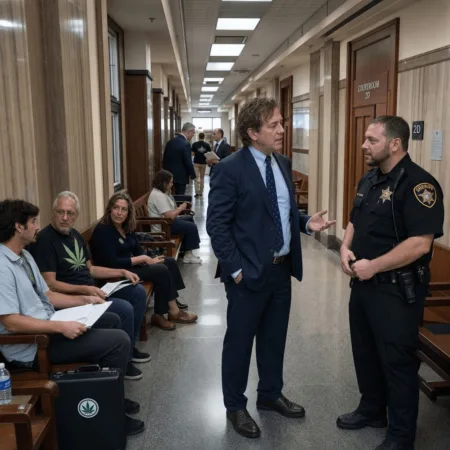
Here’s where the legal drama really heats up. In June 2024, the D.C. Superior Court announced the consolidation of briefing for eight separate lawsuits targeting the Alcoholic Beverage and Cannabis Administration (ABCA) and, by extension, the District’s regulated cannabis program (Outlaw Report). These lawsuits were independently filed by various D.C. medical cannabis operators, advocacy groups, and individuals challenging recent ABCA enforcement actions and licensing processes. The legal grievances echo industry-wide frustrations with confusing or shifting regulations, much like the challenges some Ohio operators encountered during law enforcement actions (Ohio’s recent developments). Plaintiffs allege everything from inconsistent enforcement to lack of transparency, with some operators arguing they’ve been unfairly targeted while others decry the slow and confusing licensing timelines. Specific companies involved include some of the district’s longest-standing dispensaries and newer upstarts hoping for a fair shot.
The lawsuits detail a range of grievances: sudden compliance checks, inconsistent application of regulations, and even allegations that ABCA’s procedures might violate local rulemaking standards. The consolidated process ordered by the court means all claims will be briefed and heard together, potentially speeding up the proceedings, and clarifying some crucial aspects of D.C. cannabis lawsuit consolidation in one fell swoop. The next major legal deadlines for these cases are set for late summer 2024, according to Law360 coverage of major cannabis litigation nationwide.
Expert Analysis: Industry Impact, Policy Ripples, and Consumer Reality
So, what does the D.C. cannabis lawsuit consolidation actually mean on the ground? First, it’s about efficiency: instead of dragging out a dozen nearly-identical lawsuits with conflicting rulings and wasted legal resources, this move brings clarity. Operators—from decades-old dispensaries to new brands—can finally get one clear, authoritative platform for their disputes. This mirrors what patients and providers have noticed in states prioritizing unified legal and medical approaches, including those seeing breakthroughs in cannabis-based treatments (see how clinical cannabis treatment is changing lives). More importantly, it signals to regulators and elected officials that the community is ready for lasting legal clarity.
Cannabis legal expert Mary Cheh, a longtime D.C. policy analyst, summed it up: Consolidation reflects both the maturation of the cannabis industry here and our desperate need for judicial clarity. It’s long overdue and signals the city is moving towards real solutions.
(D.C. Bar Association). Experts nationwide note that consolidations like this can spark robust, much-needed reforms. If D.C. sets clearer ground rules, expect more streamlined enforcement, fewer backroom deals, and, eventually, greater public trust in the regulatory process.
Industry data reported by MJBizDaily highlights that cities clarifying cannabis rules and allowing fair competition see stronger economic growth and lower illicit market activity. D.C.’s cannabis lawsuit consolidation could become a model for cities wrestling with legalization under watchful federal eyes.
Looking Ahead: Growing Opportunities & a Greener Future
The D.C. cannabis lawsuit consolidation might just be the legal watershed the city’s industry needs. This court-driven move could unlock more transparent, equitable opportunities for all operators—new and old, medical and adult-use, legacy players and newcomers alike. Optimists point to similar turning points in states like Illinois, where regulatory reforms following legal headaches paved the way for stable, socially responsible markets (Illinois State Government).
If the D.C. process works, it may inspire a more collaborative approach between business, regulators, advocates, and the community itself. Meanwhile, social acceptance continues to rise: recent polling from NORML shows historic support for equitable cannabis reform in D.C., underscoring the broader shift towards a more inclusive, regulated market. Expect brighter days ahead—and a city that’s not just fighting lawsuits, but embracing a genuine cannabis renaissance.
Originally reported by: outlawreport.com