





Marijuana Tax Revenue Distribution: See How Communities Benefit
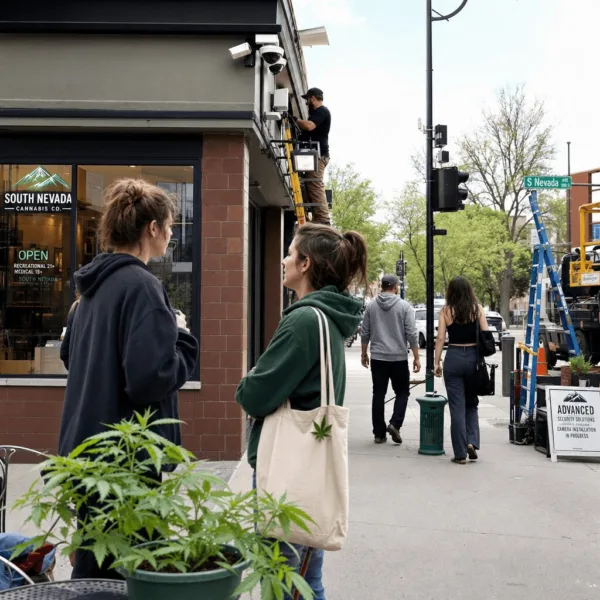
Finally, marijuana tax revenue distribution is making headlines for all the right reasons. As more states embrace recreational cannabis, the money rolling in is no joke. This cash is finding its way into the heart of local communities, boosting programs from parks to public services. Whether you’re a longtime advocate or just canna-curious, seeing where that green is going matters more than ever. In this article, we’ll unpack how marijuana tax revenue distribution is playing out right now, why cities are buzzing, and what it means for the cannabis conversation nationwide.
The Backstory: Legal Haze Clears for Cannabis Tax Dollars
The journey to fair marijuana tax revenue distribution is a saga of shifting laws, thriving activism, and sheer economic potential. Since Colorado blazed the trail in 2012, the cannabis industry has exploded, with over twenty states legalizing recreational weed (National Conference of State Legislatures). With each state launch, lawmakers and advocates debated where marijuana tax revenue should actually go. Talk of funding schools, addiction programs, and local initiatives dominated headlines. And for good reason: according to Forbes, legal states rake in billions annually. But the road hasn’t been smooth. Each state’s unique mix of tax rates, public promises, and political hurdles means that distribution models look wildly different. The dream? That marijuana tax revenue distribution becomes a win-win, supporting essential public services while elevating the social acceptance of cannabis, and paving the way for shifting policies similar to how municipalities have adapted licenses in changing legal climates.
At ground level, community leaders and activists have fought to ensure tax dollars hit neighborhoods most impacted by the war on drugs. State legislatures and regulators have stepped up with policies aimed at transparency and equity, seeking not just to fill coffers, but to repair social harms. Today, every time a newbie walks into a dispensary, their purchase contributes to much more than their vibe—it’s reshaping what their community can achieve, much like we’ve seen with emerging global moves toward medical cannabis legalization.
Key Developments: Local Communities Feel the Cannabis Windfall
Let’s get specific. In Struthers, Ohio, the recreational cannabis cash has started landing where it’s needed most. According to WKBN News, communities are now receiving a fresh round of marijuana tax revenue distribution following the state’s recent legalization wave. Struthers Mayor Catherine Cercone Miller reported that these funds are earmarked for community improvements, supporting everything from neighborhood safety initiatives to local parks.
This isn’t just headline hype. The first checks hit municipal bank accounts only months after Ohio’s recreational cannabis market got rolling. The process, as outlined in recent city meetings, ensures that a portion of every sale reverberates back into the community—which resembles how Michigan overhauled their marijuana taxation framework to prioritize local benefits. This marks a pivotal shift from the patchy disbursement patterns seen in early adopter states. Ohio’s regulatory framework obliges dispensaries to report and transfer tax collections monthly, holding them accountable and keeping locals in the loop. The city council meetings, complete with spreadsheets, dollar stacks, and occasionally, a mason jar of flower, reflect grassroots democracy in action, funded by cannabis. The result? Marijuana tax revenue distribution is turning policy into tangible, visible upgrades for local residents, ensuring local businesses also feel the impact as explored in guides like recent changes to Michigan marijuana taxation and local business impact.
Other states are taking notes. For instance, Illinois regulators showcase how meticulous reporting and community engagement amplify impact. In Ohio, part of this new revenue is allocated directly to municipalities hosting dispensaries, creating an incentive for cities to support—and regulate—cannabis retail instead of resisting the green rush. This model strikes a balance, giving cities both funds and say in cannabis operations within their limits. It’s a far cry from the days when most cannabis cash disappeared out of state or underground, echoing how California continues to implement new guidance affecting community-level cannabis policy.
Expert Analysis: What These Tax Dollars Really Mean
Let’s cut through the haze: marijuana tax revenue distribution is more than just ledger entries, it’s a statement about cannabis belonging in the mainstream economy. According to Tom Angell, publisher of Marijuana Moment, “When people see real local investment driven by cannabis taxes, you upgrade the whole perception game. This isn’t about stoners versus the system, this is civic cash, straight up.”
From an industry perspective, the results are already encouraging. Transparent marijuana tax revenue distribution builds trust, especially in towns previously skeptical of legalization. Research by The Cato Institute confirms that visible community reinvestment helps counter negative stereotypes, reframing the plant as a force for good. This also sets a precedent for other states, sparking debates about standardizing reporting practices nationwide, and ensuring every tax dollar is both traceable and purposeful. Some advocates point to critical shifts in enforcement efforts as highlighted in California’s evolving cannabis enforcement operations as a major driver of public trust and effective fund allocation.
Experts caution, though: in states where lawmakers hoard or mismanage cannabis funds, trust can nosedive. That’s where local control, keeping tax revenue distribution as close to the people as possible, really shines. By letting city councils and neighborhood leaders allocate funds, communities ensure that the everyday weed customer becomes the unsung hero behind public playgrounds, street repairs, and addiction recovery programs. That’s the power of ditching federal prohibition-era stigma, and letting the cash flow where it actually matters. Recent investigations also reveal how enforcement actions, such as uncovering illegal cannabis operations and hidden dangers, impact the narrative and priorities around responsible cannabis regulation.
Conclusion: The Road Ahead for Marijuana Tax Revenue Distribution
The future of marijuana tax revenue distribution is bright—and it’s only getting brighter. More states, activists, and policymakers are learning from local successes like Struthers, pivoting toward more transparent, equitable spending models. As The Pew Charitable Trusts reports, robust cannabis tax programs have already transformed countless schools, parks, and public safety projects. Each sale redefines what communities can achieve with smart cannabis legislation. Social acceptance is rising, stigmas are fading, and grassroots democracy is getting a green reboot. Expect more states to follow suit—because when it comes to marijuana tax revenue distribution, the proof is showing up right in our neighborhoods.
Originally reported by: wkbn.com


3 Comments
Pingback: Legislature Marijuana Veto Override: What Happens Next?
Pingback: Veto Override Marijuana Bill: What the Senate's Move Means
Pingback: Orange County retail theft arrest: Major bust shocks shoppers