




Anderson marijuana bunker bust: Hidden bunker, illegal guns exposed
The cannabis industry is blazing, but the recent Anderson marijuana bunker bust has thrown a fresh spotlight on the legal gray areas fueling debate. With law enforcement uncovering a secret underground setup packed with weed and weapons, this case is stirring up big conversations across northern California. From secret grows to regulatory headaches, let’s get real about the high stakes, what just unfolded, and what it means for cannabis culture in 2024.
Behind the Scenes: The Cannabis Market, Regulation, and Current Pressures
To get why the Anderson marijuana bunker bust is making waves, you’ve got to know where we’re at as a culture, and an industry. With legalization spreading across states in recent years (tracked by the National Conference of State Legislatures), legit cannabis is now big business. But that same evolution has drawn a hard legal line: there’s a sharp difference between regulated storefronts and secretive, unlicensed cultivation that skirts rules and taxes, much like challenges faced in cities dealing with licensing changes as described in this essential guide to shifting marijuana laws.
Operators staying underground often try complex tactics to dodge scrutiny, even as local and state regulators push for transparency and fair play. In northern California, illegal grows are still a thorn in the side of law enforcement, especially when they cross lines into weapons, environmental risk, or organized activity. According to Leafly’s legalization coverage, these kinds of busts can drive policy debates and impact market trust.
Bunker Bust Breakdown: What Went Down in Anderson
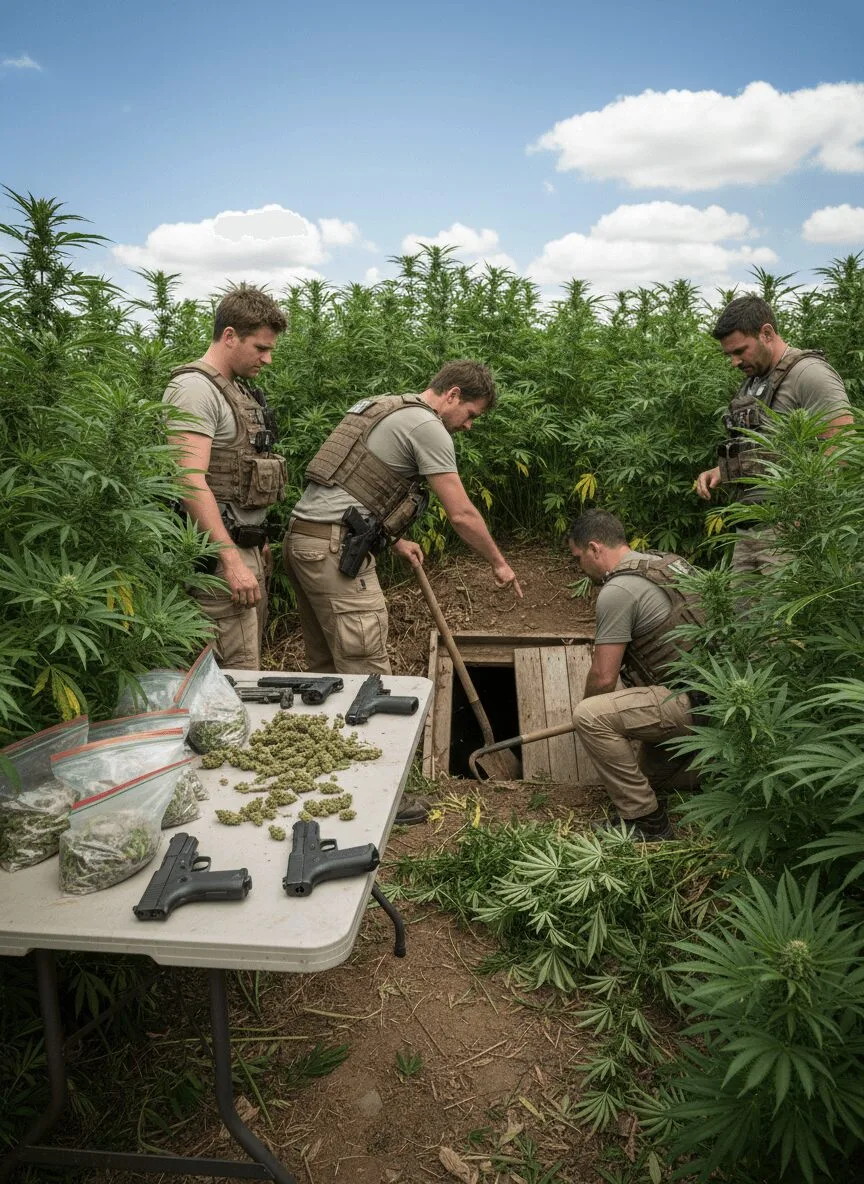
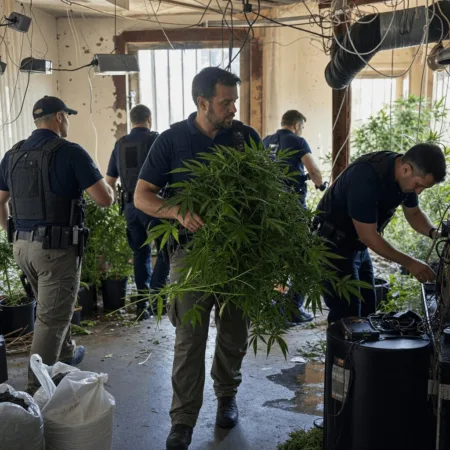
Here’s the play-by-play: On June 10, 2024, Shasta County law enforcement hit the scene in Anderson after a tip about suspicious activity. Opening a camouflaged entrance tucked among thriving cannabis plants, officers discovered a covert underground bunker. Inside, authorities seized a hefty stash of processed marijuana, packed in clear bags so big they’d make a dispensary jealous, as well as a cache of illegal firearms displayed on a dusty table. According to a detailed breakdown from KDRV, the set-up also featured makeshift tools and evidence of an active grow operation. Multiple suspects are now facing charges for both unlicensed cultivation and weapons violations, a combo that instantly grabbed state, and national-level headlines. Local authorities noted the sophisticated concealment and volume of cannabis as especially concerning, reinforcing ongoing worries about black market persistence despite state legalization. If you’re wondering how aggressive enforcement and operations affect the industry at large, California’s high-stakes regulatory efforts offer valuable perspective.
Expert Analysis: The Real Roots and Ripple Effects After the Anderson Marijuana Bunker Bust
Let’s get honest, busts like the Anderson marijuana bunker bust reveal both the growing pains and blind spots in regulating cannabis. Unlicensed grows aren’t just about profit; they’re a reaction to high barriers to entry, licensing bottlenecks, and legacy operators who feel shut out by new laws. According to Marijuana Moment, experts argue that overregulation and high costs are major fuel for the underground market. Jane West, founder and industry voice, summed it up perfectly: “Until we make legal access affordable and accessible to all cultivators, we’re going to see operations go underground.” (from Leafly). This illustrates how reforms—such as new research influencing law and access—can have big effects, as highlighted in recent medical cannabis studies that challenge old assumptions. Beyond the cannabis itself, firearm possession drastically raises the stakes and complicates public perception. Still, the sheer ingenuity shown by operators is a call for nuanced policy, not just crackdowns, so the legal market can actually thrive and outshine the shadows.
Looking Ahead: Growth, Hope, and Lessons from the Anderson marijuana bunker bust
It’s easy to focus on the headlines, but the cannabis story is bigger than a single Anderson marijuana bunker bust. As more states refine their frameworks (see ongoing updates at NORML), both law enforcement and the industry itself are under pressure to adapt. Each bust highlights the bumps in transitioning from prohibition to regulation. But with signs of increasing acceptance, smarter policy, and real dialogue, the future is bright for a market that respects legacy knowledge—while staying legal and safe. In the meantime, every headline is a teachable moment for advocates, policymakers, and the community. The best takeaway? We can do better, together—and keep the green rush honest, above-ground, and stigma-free.
Originally reported by: kdrv.com
1 Comment
Pingback: Marijuana Tax Revenue Distribution: See How Communities Benefit