





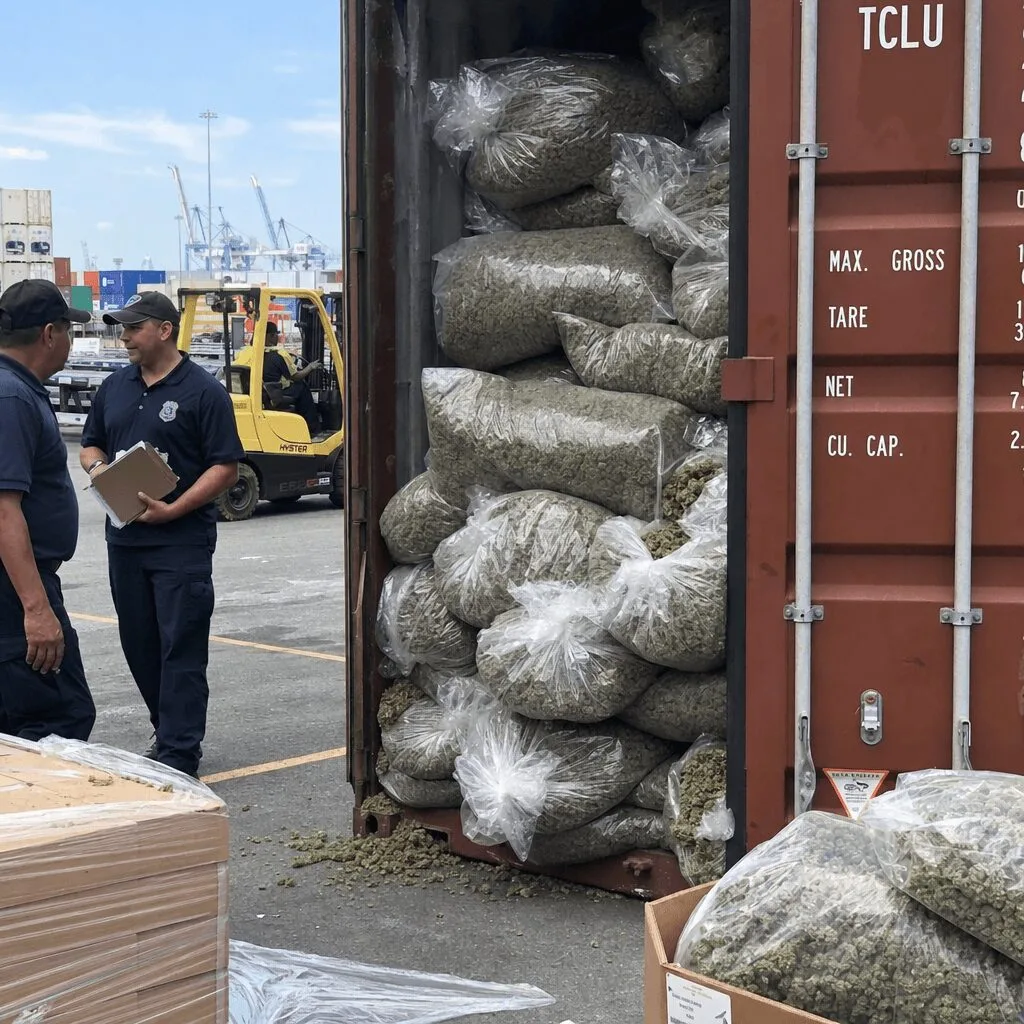
Massive marijuana seizure Port of Baltimore stuns authorities
News of the recent marijuana seizure Port of Baltimore has been buzzing across the cannabis sector and the general public alike. As cannabis continues to disrupt global markets, large-scale busts like this demand immediate attention. With over 10,000 pounds reportedly snagged, the sheer volume has industry professionals, law enforcement, and legalization advocates all weighing in. Let’s break down what makes this event so timely—and why the ripple effect goes far beyond just Baltimore.
Legal Landscape and Cannabis Industry Backdrop
The marijuana seizure Port of Baltimore comes at a time when regulatory, legal, and cultural attitudes toward cannabis are rapidly evolving. In recent years, many U.S. states have embraced some form of cannabis legalization, leading to overlapping and sometimes conflicting federal and state regulations (National Conference of State Legislatures). Yet, interstate and international trafficking still sits squarely in the realm of federal limitation and strict enforcement. Baltimore, a crucial shipping port, finds itself at the nexus of these regulatory challenges because of its strategic location and high traffic volume. The international aspect, with cannabis allegedly headed for England, shows that global demand collides against differing national laws—a reality reflected in ongoing debates in the UK Home Office. Additionally, thriving European and American cannabis markets are drawing significant investment, but events like this highlight challenges and growing pains. Communities examining new legislation and regulatory efforts, such as those in Nebraska through ballot initiatives, also point to the complexities and localized approaches to reform in the United States.
Major Developments: Breaking Down the Port of Baltimore Incident
The marijuana seizure Port of Baltimore, first reported in 1781988369, involved authorities intercepting a shipment of over 10,000 pounds of cannabis reportedly en route to England. According to WTOP News, this is one of the largest seizures on U.S. soil in recent memory. The product, carefully packaged and stashed within cargo containers, was uncovered as part of a routine inspection. No singular exporter or corporate entity has yet been formally named, but federal agencies including U.S. Customs and Border Protection and the DEA have confirmed the bust. Initial investigations suggest a well-coordinated operation that leveraged legitimate shipping channels, sparking renewed discussion over how sophisticated actors manipulate supply lines. Complicating matters, states with advancing cannabis commerce, such as Montana’s recent legalization experiences, provide further context for regulatory and enforcement quandaries facing both local and federal authorities. Local authorities, in partnership with national agencies, have vowed to tighten scrutiny on future outbound and inbound shipments, especially with the port serving as a vital link to the European trade zone.
Expert Insight: What This Means for the Industry
The magnitude of the marijuana seizure Port of Baltimore spotlights deeper concerns and signals a maturity test for the cannabis industry. As global appetite for regulated cannabis grows, illicit supply lines remain a stubborn obstacle. Yet, prohibition-based crackdowns rarely solve the problem, as has been demonstrated repeatedly. Industry experts consistently warn that inconsistent international policy creates opportunities for both innovation and exploitation. As Marijuana Moment publisher Tom Angell explained in a recent policy roundtable: “Seizures of this scale reveal both the inefficiency of patchwork prohibition and the overwhelming demand for regulated products. Until we harmonize global regulations, the illicit market will keep innovating ways to fill the void.” Forward-thinking countries and states are pushing for pragmatic regulatory solutions—such as better compliance systems and cross-border policy dialogues—to change course. Local stores impacted by regulatory uncertainty, much like those affected by recent cannabis store closures in Washington, D.C., underscore why genuine reform, not just headline-grabbing raids, will ultimately determine the transparency and long-term health of the market worldwide.
Looking Ahead: A Greener, Smarter Future
The marijuana seizure Port of Baltimore, while dramatic, is also a call to action. Industry stakeholders, lawmakers, and advocates recognize that prohibition-centric enforcement can’t stand alone. The cannabis sector has proven resilient and innovative, repeatedly adapting to supply chain disruptions and regulatory upheaval. With the U.S. and Europe moving—if sometimes slowly—toward more unified regulatory frameworks (Forbes Business Council), true progress lies ahead. Maybe next time, stories about the Port of Baltimore will focus on record-legal exports, not seizures. For now, every challenge marks another mile on the long, twisting journey toward global acceptance and sensible cannabis policy.
Originally reported by: wtop.com



1 Comment
Pingback: Massive marijuana seizure Port Baltimore shocks nation